
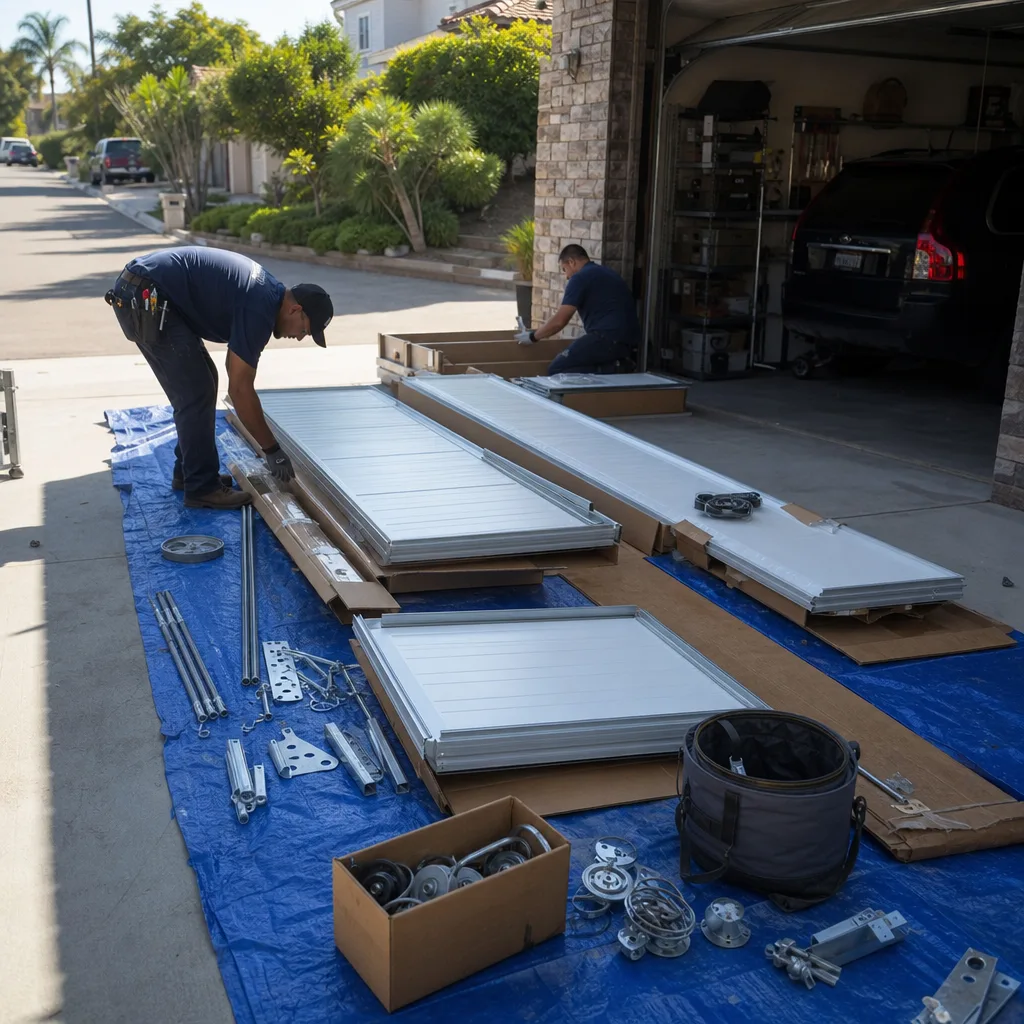
Last updated November 4, 2026
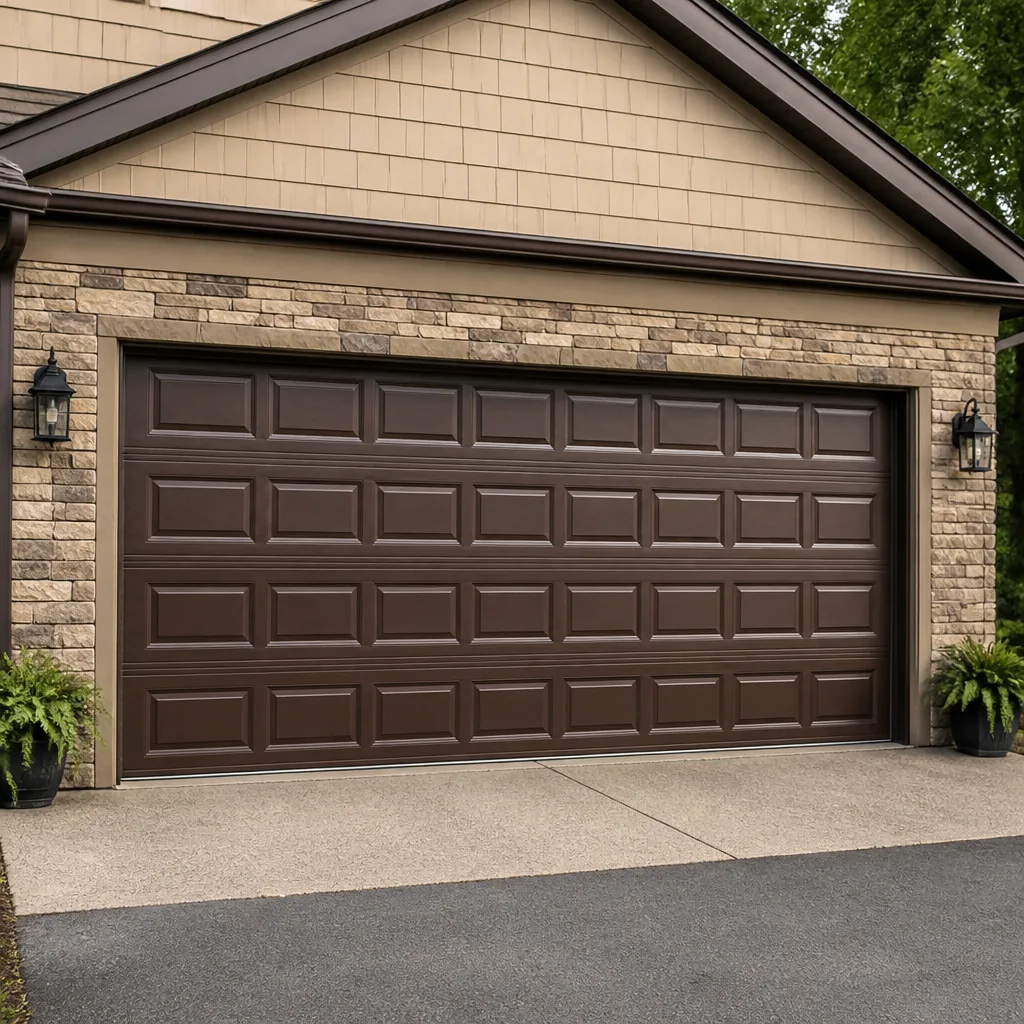 Raised-panel steel
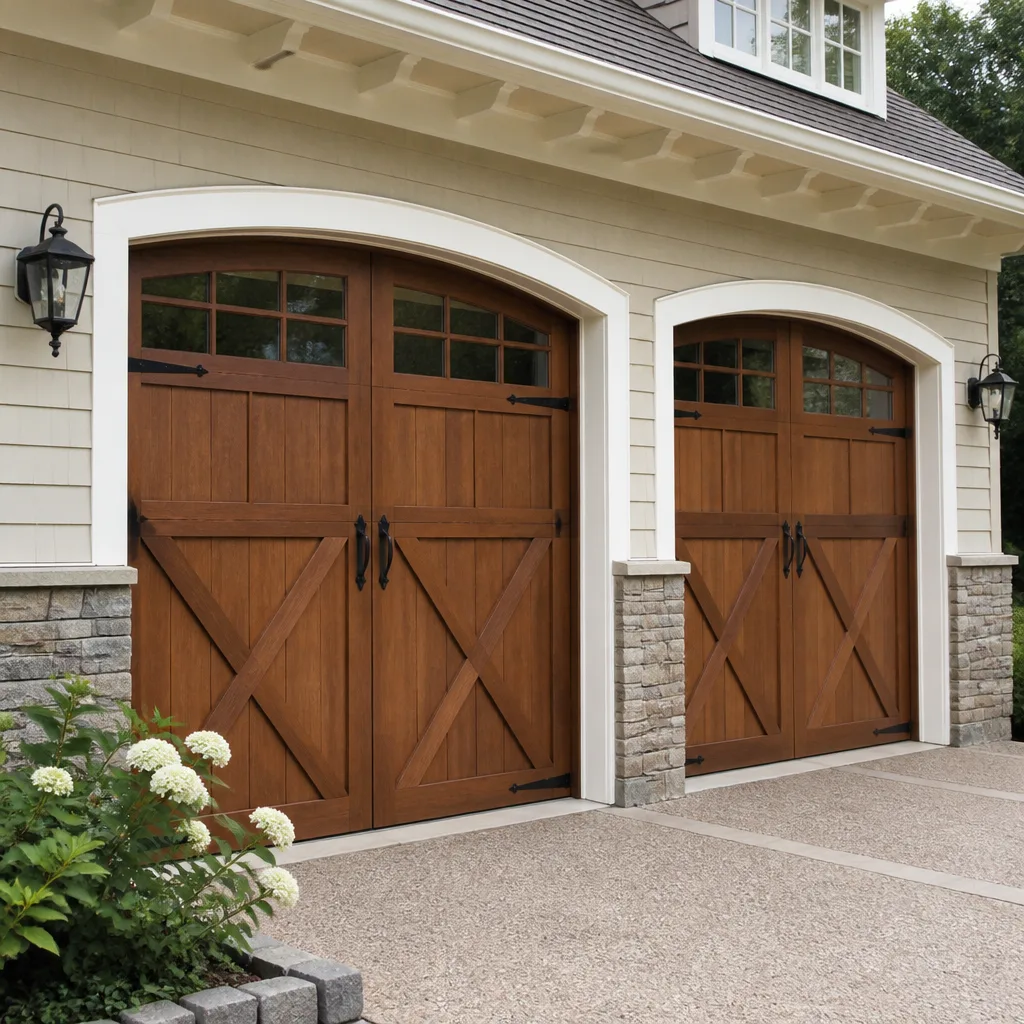 Carriage house
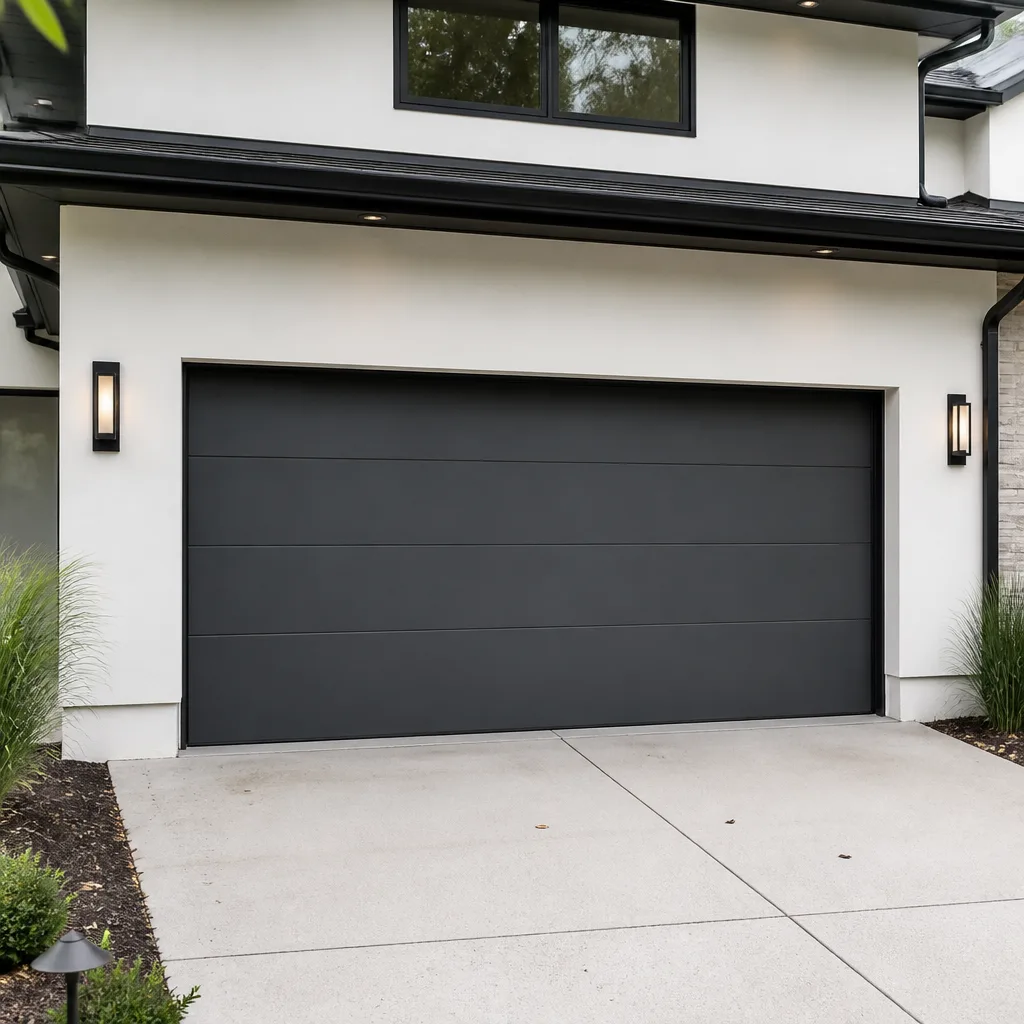 Modern flush
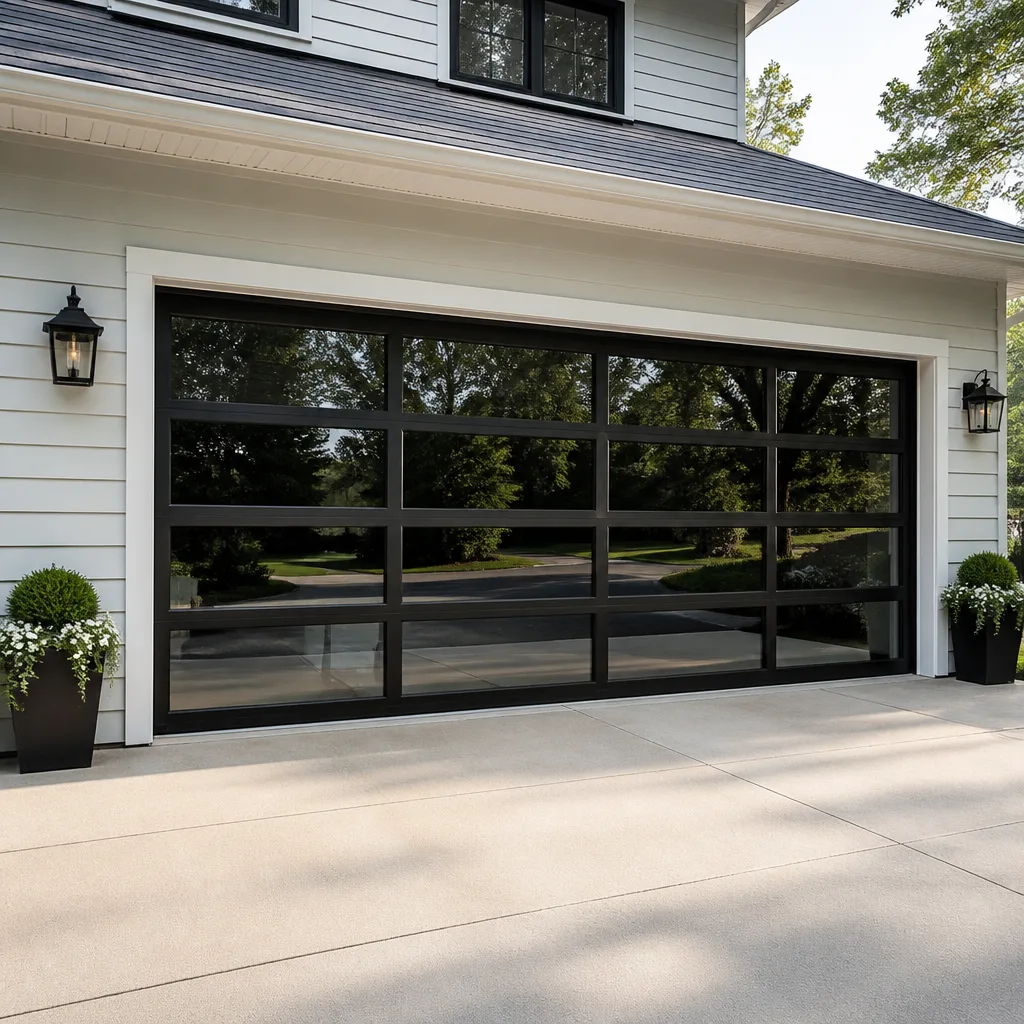 Full-view glass
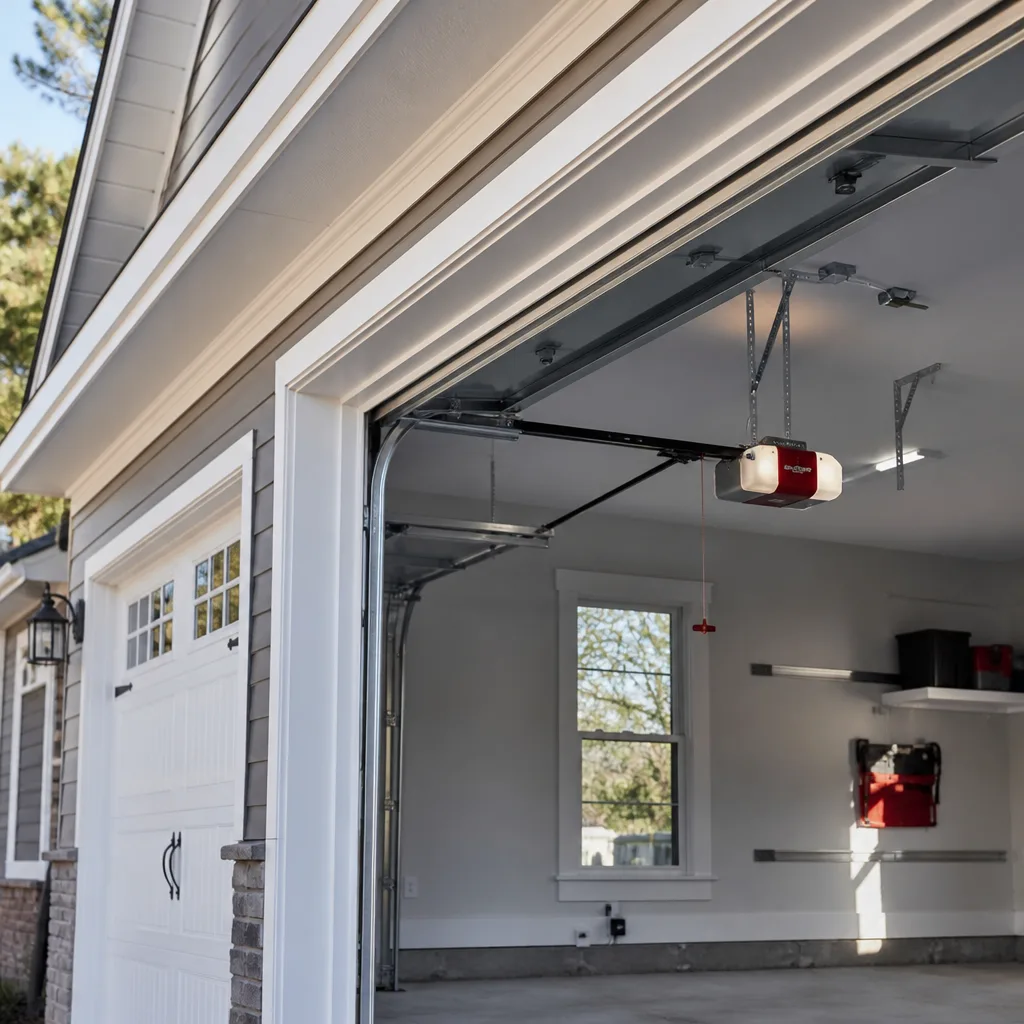 LiftMaster openers
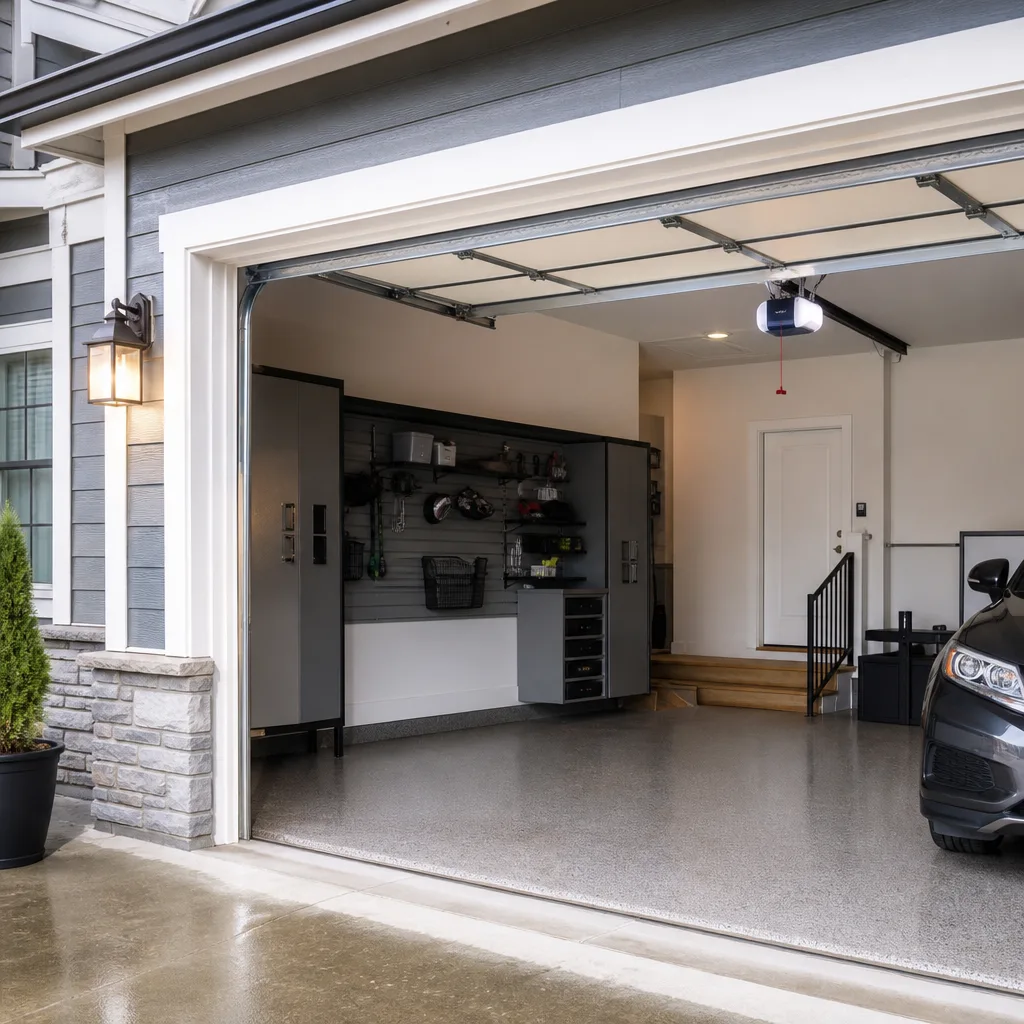 Chamberlain openers
Full 25-point door and opener safety check with every visit - springs, cables, rollers, tracks, and your LiftMaster or Chamberlain opener included
You get a price before we start. It does not change when the truck arrives.
Get your free estimateChoosing the Right Garage Door Brand: A Buyer’s Guide for San Clemente
The garage door brand ranked highest in a national consumer survey was tested in Minnesota winters and Phoenix summers. Neither test tells you a thing about how that door’s steel gauge and hardware hold up to two years of marine layer humidity a few blocks from the San Clemente hills. Brand rankings make for easy headlines, but they collapse the moment you apply them to a specific house, a specific driveway, and a specific family’s routine. This guide walks you through what actually separates the major brands when you live in San Clemente, and how to match one to how you actually use your garage.
Quick Answer
There is no single best garage door brand for every San Clemente home. The right choice depends on your home’s exposure to coastal humidity, how many open-and-close cycles your door sees each day, and how much you value long-term parts availability over upfront price. For most San Clemente homeowners, Clopay and Amarr offer the strongest combination of corrosion-resistant finishes and warranty structure, backed by solid local parts distribution.
Styles & brands we work with
- Raised-panel steel
- Carriage house
- Modern flush
- Full-view glass
- LiftMaster openers
- Chamberlain openers
Table of Contents
- How San Clemente’s Climate Actually Affects a Garage Door
- Steel Gauge and Finish Quality: What Separates a Ten-Year Door from a Thirty-Year Door
- Hardware Ecosystem: The Part Nobody Compares Until It Fails
- Matching Brand to Use Pattern: High-Cycle vs. Low-Cycle Homes
- Brand, Parts Availability, and Why Local Distribution Matters More Than You Think
- Warranty Comparison in Plain English
- Why a Multi-Brand Specialist’s Recommendation Beats a Single-Brand Dealer’s
- What Different Brands Actually Cost in San Clemente
How San Clemente’s Climate Actually Affects a Garage Door
San Clemente sits close enough to the Pacific that morning marine layer is a fact of life for much of the year. That means your garage door lives in a humidity environment that a door in Temecula or Mission Viejo never experiences. The impact is subtle but cumulative. Paint and powder-coat finishes absorb moisture cycles differently. Hardware, especially hinges and bottom brackets, develops surface oxidation faster than it would five miles inland. And steel panels, if they get scratched or dented, start showing rust bloom earlier in their life.
This is why two doors with identical panel styles and insulation values can perform completely differently after four years in a beachside San Clemente neighborhood. One manufacturer’s finish was tested for salt-and-humidity exposure during development. Another’s was tuned for the dry heat of the Southwest. The spec sheet never shows that difference, but your door frame does after a few seasons of heavy morning fog and afternoon sun.
We see this pattern in garage door repair calls across San Clemente. The failure point is rarely the panel itself. It’s the hardware that was specified for a different climate and is now binding from corrosion. A multi-brand technician learns to spot which manufacturers build coastal-rated hardware from the factory and which ones cut that corner to hit a price point.
The practical takeaway for a San Clemente buyer: lean toward brands that offer upgraded finish options as a factory standard, not a special order. Amarr’s powder coat finishes and Clopay’s coastal-grade hardware packages hold up measurably better in our local humidity. Wayne Dalton offers a solid value line, but you want to confirm the finish and hardware upgrades before choosing their entry-level doors for a home within a mile of the marine layer’s regular reach.
Steel Gauge and Finish Quality: What Separates a Ten-Year Door from a Thirty-Year Door
Garage door panels are rolled from steel sheet measured in gauge. Lower numbers are thicker. Most residential doors use 24-gauge, 25-gauge, or 26-gauge steel. That seems like a trivial difference until you dent a 26-gauge door with a shopping cart and watch a 24-gauge door shrug off the same impact.
Here’s how the major brands compare in the current San Clemente market:
- Clopay offers 24-gauge steel on their premium lines and 25-gauge on their value series. Their paint finishes run through a multi-step curing process that resists the humidity-driven fading we see on cheaper doors.
- Amarr builds their classic steel collection around heavy-gauge steel paired with a baked-on finish that has proven durable in coastal conditions. Their thicker-gauge doors cost more but dent less.
- Wayne Dalton covers the full spectrum, from 26-gauge economy doors to 24-gauge premium models. The brand is worth considering only if you specify the thicker gauge and the upgraded finish.
- Genie doesn’t make door panels. We’ll cover them in the opener and hardware conversation, because that’s where their word matters for San Clemente homes.
Thicker steel matters for more than dent resistance. Heavier-gauge panels hold their shape better over time, which means the door tracks stay aligned longer. A door that stays square is a door that doesn’t strain its springs and cables. In a coastal climate, thickness also buys you margin: a scratch through the paint on 24-gauge steel takes years to become a rust hole, where the same scratch on 26-gauge can show bubbling in a single wet season.
But gauge is only half the equation. Finish quality is the multiplier. A thicker panel with a mediocre finish still fails early in San Clemente. A slightly thinner panel with a factory-grade, multi-coat finish can outlast it. We tell customers to look for manufacturers that list finish process details in their product documentation, not just “paint color” options. If a brand won’t tell you how the finish is applied and cured, assume it’s the cheapest process available.
Hardware Ecosystem: The Part Nobody Compares Until It Fails
Panels get the showroom attention. Hardware gets the repair calls. Hinges, rollers, bearings, brackets, and cables are the moving parts that determine whether your door runs quietly for fifteen years or starts binding and popping in four. This is where brand differences appear fastest in a coastal climate.
Here’s what to evaluate in a hardware ecosystem, in priority order for San Clemente homes:
- Hinge material and thickness. Look for galvanized or stainless hinges. Uncoated steel hinges start rusting within a year near the coast.
- Roller quality. Nylon rollers with sealed ball bearings run quieter and last longer than plastic rollers. This is a standard upgrade that costs little and matters a lot on a daily-use door.
- Corrosion resistance on all fasteners. The screws and bolts holding your track to the wall are the first things to seize on a marine-layer home. Top-tier manufacturers specify coated fasteners across the entire assembly.
- Spring rating and cycle life. Torsion springs are sold by cycle rating: 10,000 cycles, 15,000 cycles, 20,000 cycles. A standard door sees about four to six cycles per day. Do the math and you’ll see why a 10,000-cycle spring lasts about five years, while a 20,000-cycle spring stretches past a decade.
- Track gauge. Thicker track means less flex under load and fewer binding issues over time. It’s not glamorous, but it’s where quiet operation is won or lost.
Amarr and Clopay both build hardware packages that stand up well to San Clemente humidity when you choose their upgraded lines. Wayne Dalton’s mid-tier hardware is adequate but not exceptional. The key is understanding that a brand’s cheapest door is never its best hardware representation. You’re buying the hardware you’ll live with every day, so spec it deliberately.
Matching Brand to Use Pattern: High-Cycle vs. Low-Cycle Homes
The right brand for a family of four with two teenage drivers is not the right brand for a beach cottage that gets used three weekends a month. Cycle count changes everything, and most brand reviews ignore it completely.
High-cycle homes in San Clemente are your classic three-car and four-car households in the Talega neighborhoods, or families in Forster Ranch where both parents work and the kids come and go all day. These doors open eight to twelve times daily. Over a year, that’s roughly 3,500 cycles. Over five years, that’s pushing past 15,000 cycles. At that usage rate, you want:
- A 20,000-cycle torsion spring, which Clopay and Amarr both offer as a premium upgrade
- Heavy-gauge track and reinforced hardware
- Nylon rollers with sealed bearings
- A door panel built on 24-gauge steel
For a high-cycle San Clemente home, Amarr’s heavy-gauge steel lines are a strong default recommendation. You’re paying more upfront for hardware that doesn’t fail early, and the spring cycle rating matches how the house is actually used.
Low-cycle homes are the opposite: a vacation property in Shorecliffs, a second home near the beach, or an empty-nester house where the garage opens twice a day. Here, the door may see fewer than 800 cycles a year. But the home sits empty for stretches, which means the door spends long periods closed in humid air without the ventilation of regular movement. Cheaper hardware fails by corrosion, not by wear.
For these properties, we lean toward brands with the best corrosion ratings rather than the highest cycle counts. A Wayne Dalton mid-tier door with upgraded finish can be a sensible value here. Clopay’s coastal-rated hardware also fits well. The point is to stop asking “what’s the best brand” and start asking “what’s the best brand for a house that sits empty three weeks a month in San Clemente.”
Brand, Parts Availability, and Why Local Distribution Matters More Than You Think
Every garage door brand makes a fine product on paper. The difference shows up three years later when a spring breaks, a cable snaps, or a panel gets dented by a wayward basketball, and you need replacement parts fast.
Brands with strong Southern California distributor presence get parts into a San Clemente technician’s hands same-day or next-day. Brands without that distribution network mean a three-to-ten-day wait for a bracketed spring or a specific hinge assembly. For a homeowner whose garage is their primary entry point, that’s a big difference.
This is the part of brand selection that nobody writes about, because it’s unglamorous and hard to research. But it’s the single most useful piece of brand intelligence a local technician can offer. We work on eight major brands: LiftMaster, Chamberlain, Genie, Clopay, Amarr, Wayne Dalton, Craftsman, and Raynor. That means we are constantly ordering parts from every major distributor in the region. We know which brand’s mainline hardware sits on warehouse shelves in Orange County and which one ships from out of state with a week of lead time attached.
Clopay and Amarr have the strongest parts networks in Southern California right now. Wayne Dalton parts are accessible but slower on certain specialty items. For garage door opener repair, LiftMaster and Genie parts are the most readily available, which makes them the practical opener brands for San Clemente homes where downtime is the enemy.
The takeaway: before you commit to a brand, ask your installer how long a replacement spring or hinge for that specific door model takes to source. If they can’t answer that question, they probably don’t work on enough brands to know.
Warranty Comparison in Plain English
Warranty marketing is where brand language does the most work with the least meaning. “Lifetime warranty” sounds generous until you read what it actually covers, what it excludes, and how the claim process works. Here’s a plain-English breakdown for the brands most relevant to San Clemente buyers.
Clopay offers a limited lifetime warranty on their steel door sections against rust-through. The key phrase is “rust-through,” meaning a hole has to form completely through the panel. Surface rust, fading, and chalking are not covered. Their hardware warranty runs three years unless you choose upgraded components. The claim process requires documentation of original purchase, and labor for replacing a warrantied panel is typically not included.
Amarr structures their warranty around specific product lines. Their premium steel doors carry a lifetime warranty on the panel sections, but with a tapering coverage schedule: full coverage for the first ten years, then prorated after that. The taper matters. A door that fails at year fifteen pays a fraction of the replacement cost, not the full amount. Hardware coverage ranges one to five years depending on the line.
Wayne Dalton offers a lifetime limited warranty on their higher-end doors, but their entry-level doors carry a one-year hardware warranty and a shorter panel warranty. This makes the upfront savings on Wayne Dalton’s value lines less attractive once you factor in replacement risk on hardware in a coastal environment.
What “lifetime” never means:
- It does not mean the door will never fail. Steel rusts. Springs break. Cables wear out.
- It does not mean your labor is covered. Almost no residential door warranty includes labor after installation.
- It does not mean the finish is covered against fading or cosmetic rust. Most warranties cover structural rust-through only.
- It does not transfer fully on home sale. Some warranties transfer with no penalty; others reduce coverage for a second owner.
The most useful warranty question you can ask your installer is not “what does the warranty cover” but “how long does it take to get a warranty part replaced.” The answer reflects the brand’s claims process and parts network combined. A lifetime warranty with a six-week claims timeline is worse than a ten-year warranty with a one-week turnaround on replacement hardware.
Why a Multi-Brand Specialist’s Recommendation Beats a Single-Brand Dealer’s
If you ask a Clopay dealer what the best garage door brand is, you already know the answer. Single-brand dealers don’t exist to give you objective comparisons. They exist to sell the line they carry, and every comparison they draw will lead back to that brand. It’s not dishonesty. It’s just a structural bias baked into the business model.
We service eight major brands: LiftMaster, Chamberlain, Genie, Clopay, Amarr, Wayne Dalton, Craftsman, and Raynor. That means our technicians see which brands hold up, which ones need repairs early, and which parts are actually available when something fails. Every recommendation we make for an installation comes from watching how doors across all those brands perform in real San Clemente garages, not from a manufacturer sell sheet.
This is why Aspen Garage Door Service keeps installation recommendations specific to the house. We’re not asking you to fit your life around a brand. We’re matching a brand’s material strengths, hardware ecosystem, and warranty structure to your coastal exposure, cycle count, and budget. The right door for how you live, not the door we happen to have in the warehouse. No guesswork, no runaround.
When you call a specialist who fixes every brand, the conversation starts with your house, not with a catalog. That’s the entire difference. Garage doors only. That’s what we do.
What Different Brands Actually Cost in San Clemente
Garage door pricing varies by size, insulation level, window configuration, and finish. But you can use these typical installed ranges for a standard 16×7 single door in the San Clemente market to compare brand positioning. These are estimates; your written quote sets the final price.
| Brand | Typical Installed Range (16×7) | What You’re Paying For |
|---|---|---|
| Wayne Dalton (value line) | $900-$1,400 | Functional door, thinner steel, basic hardware |
| Clopay (mid-tier) | $1,200-$2,000 | Better finish, stronger hardware options |
| Amarr (premium steel) | $1,500-$2,800 | Heavy gauge, coastal-ready hardware |
| Clopay (premium line) | $1,800-$3,200 | Top finish quality, upgraded springs and track |
These ranges reflect the installed door, including hardware and basic installation. They don’t include opener replacement, track modification, or removal of an old door, which are quoted separately. For San Clemente homes, we typically recommend budgeting for the finish and hardware upgrades that coastal humidity makes worthwhile. It’s the difference between a ten-year door and a twenty-five-year door.
Every installer’s price should be quoted and agreed upon in writing before work starts. If someone gives you a verbal number and then starts unbolting panels, walk away. A straight written estimate is the baseline of a legitimate garage door installation in San Clemente.
Common Mistakes to Avoid
- Buying the same brand your neighbor bought without asking about their garage’s exposure. Your neighbor in a hillside cul-de-sac with no marine layer gets a different corrosion reality than a house two blocks from the coastal fog pattern. Same brand, different city block, different performance.
- Choosing a door by panel style alone. The carriage-house design you love on a Wayne Dalton value line may come with a one-year hardware warranty and 26-gauge steel. Style doesn’t protect a door from rust.
- Assuming “lifetime warranty” means the door will never cost you money again. Warranty coverage excludes labor, tapers over time, applies to rust-through only, and moves slower than you’d like. Read it before you pay for it.
- Ignoring parts availability until a spring breaks. A door that takes a week to get parts for is a door that leaves your garage unusable for a week. Ask the hard question before you commit to a brand.
- Skipping the finish upgrade to save money in a coastal ZIP code. The upgraded finish costs a few hundred dollars at purchase. Surface-rust paint and panel replacement costs more, sooner, and is never covered by that lifetime warranty.
- Relying on a single-brand dealer for an honest brand comparison. A one-brand dealer has a structural incentive to recommend that brand. A multi-brand specialist has no dog in that fight.
- Forgetting the spring cycle rating. A 10,000-cycle spring lasts about five years in a high-use San Clemente home. A 20,000-cycle spring stretches past a decade. The upgrade price is trivial compared to a mid-life spring replacement.
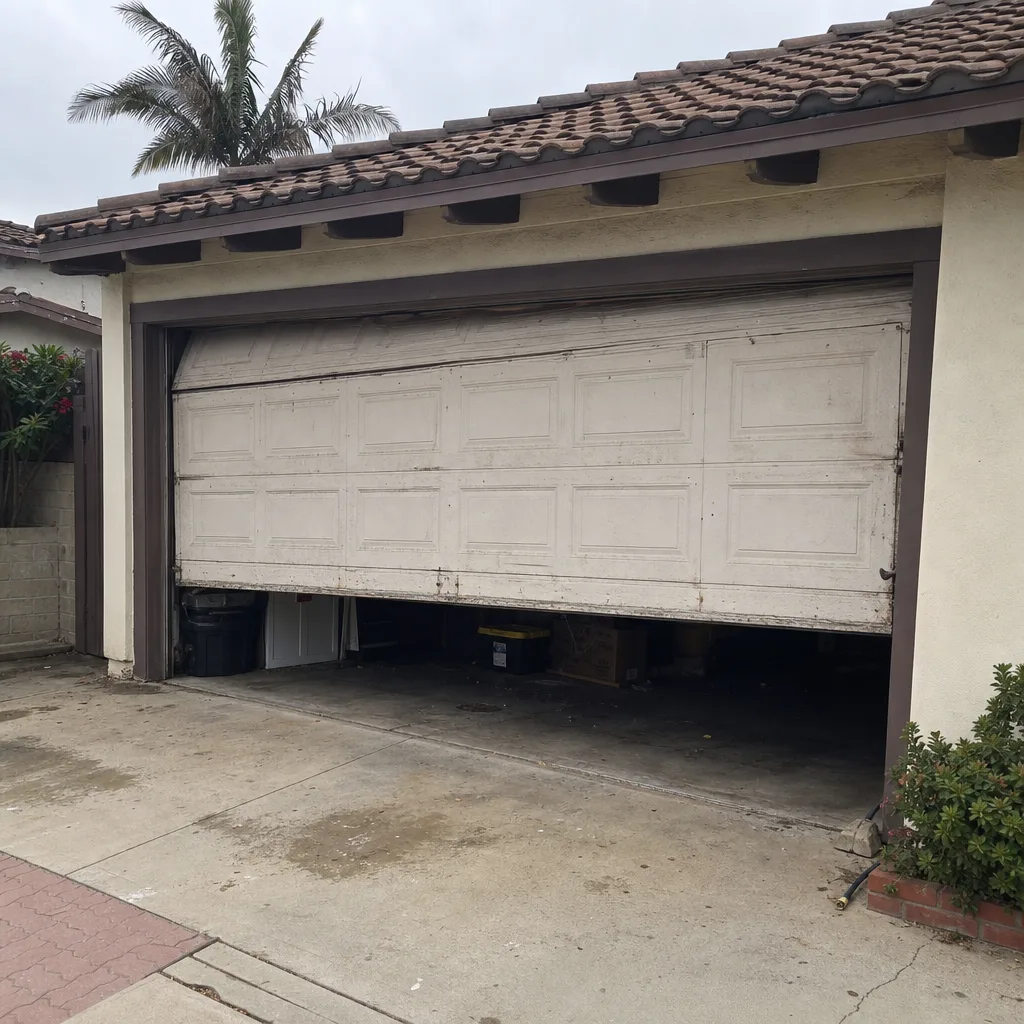
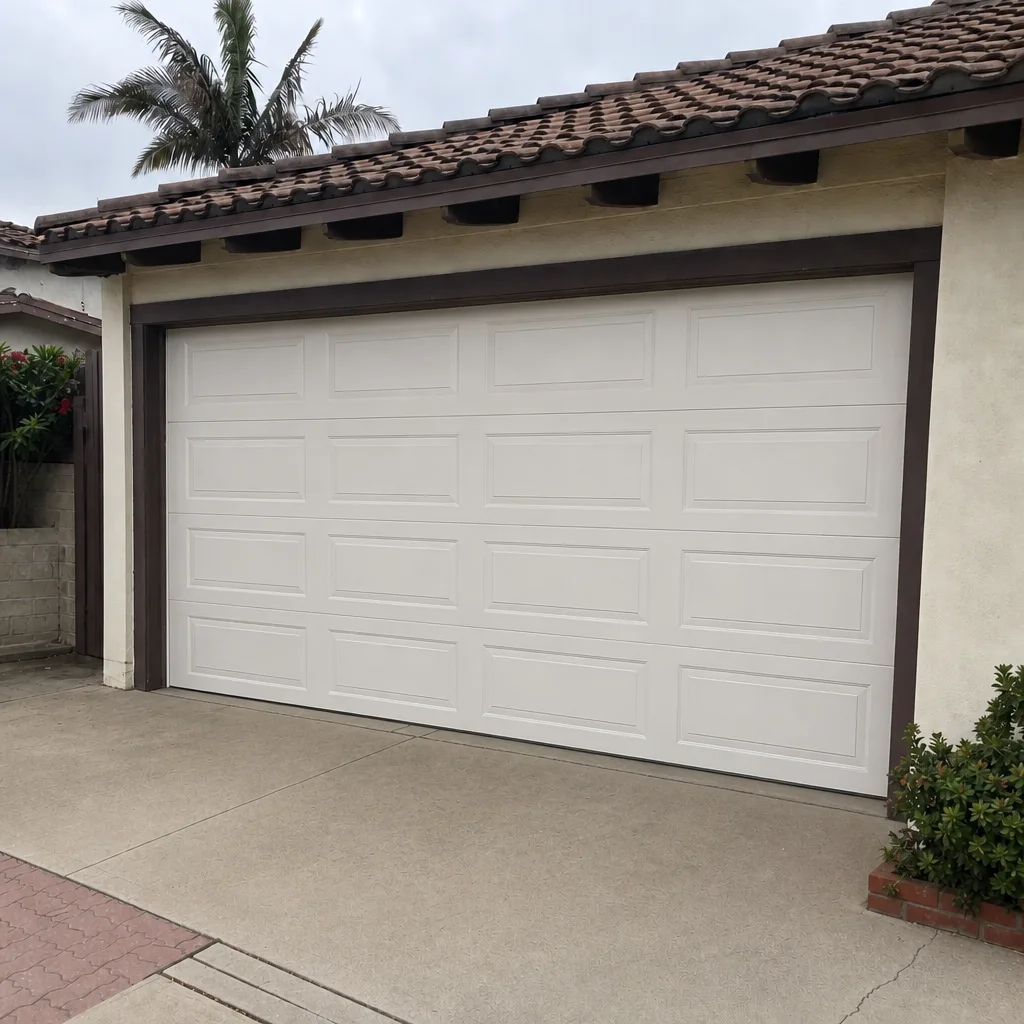
See the difference
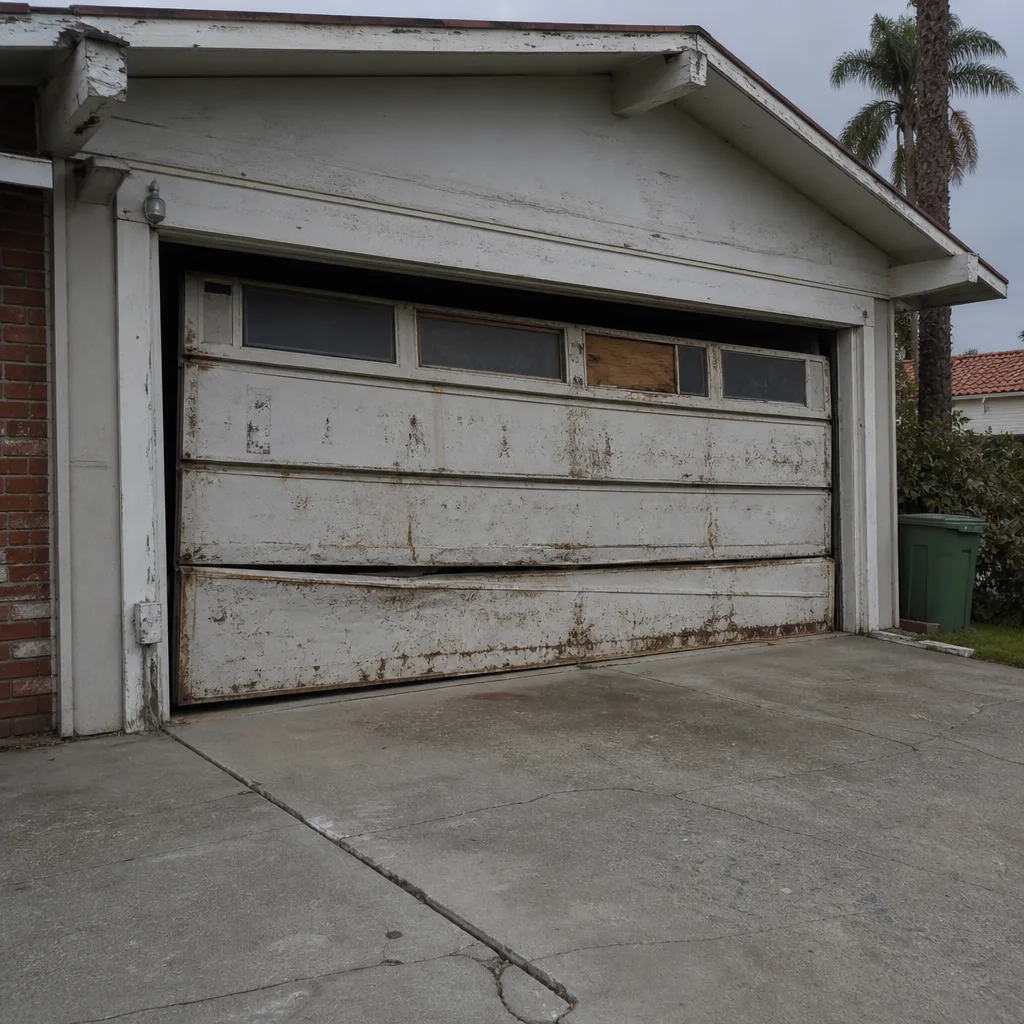 Before
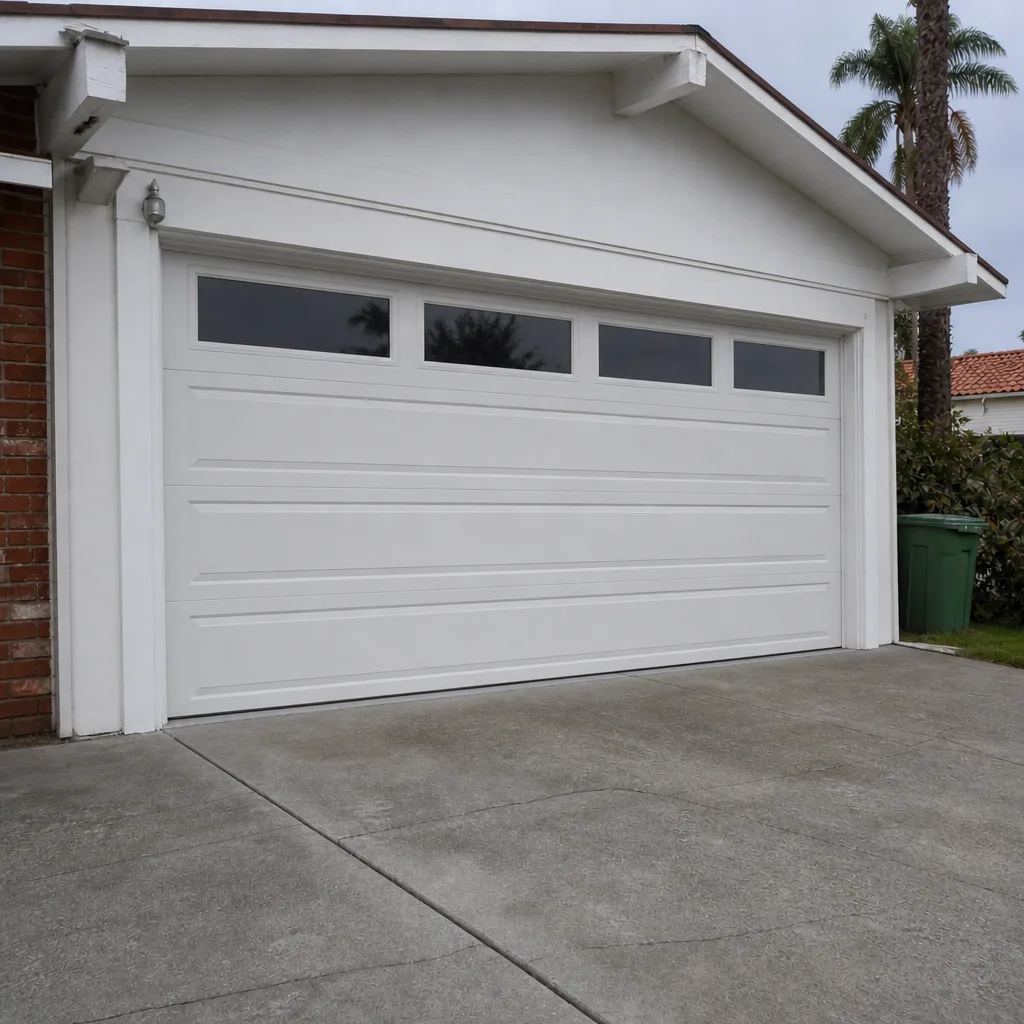 After
 Before
 After
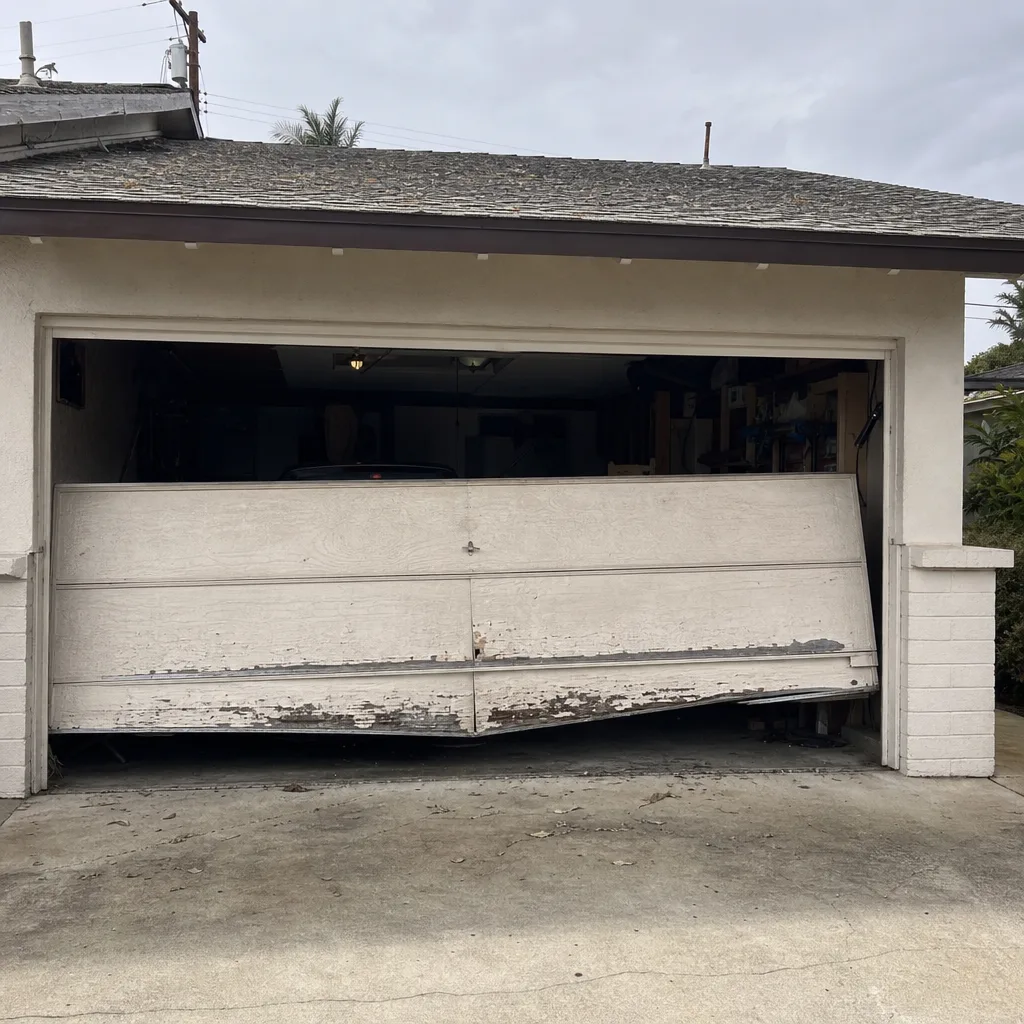 Before
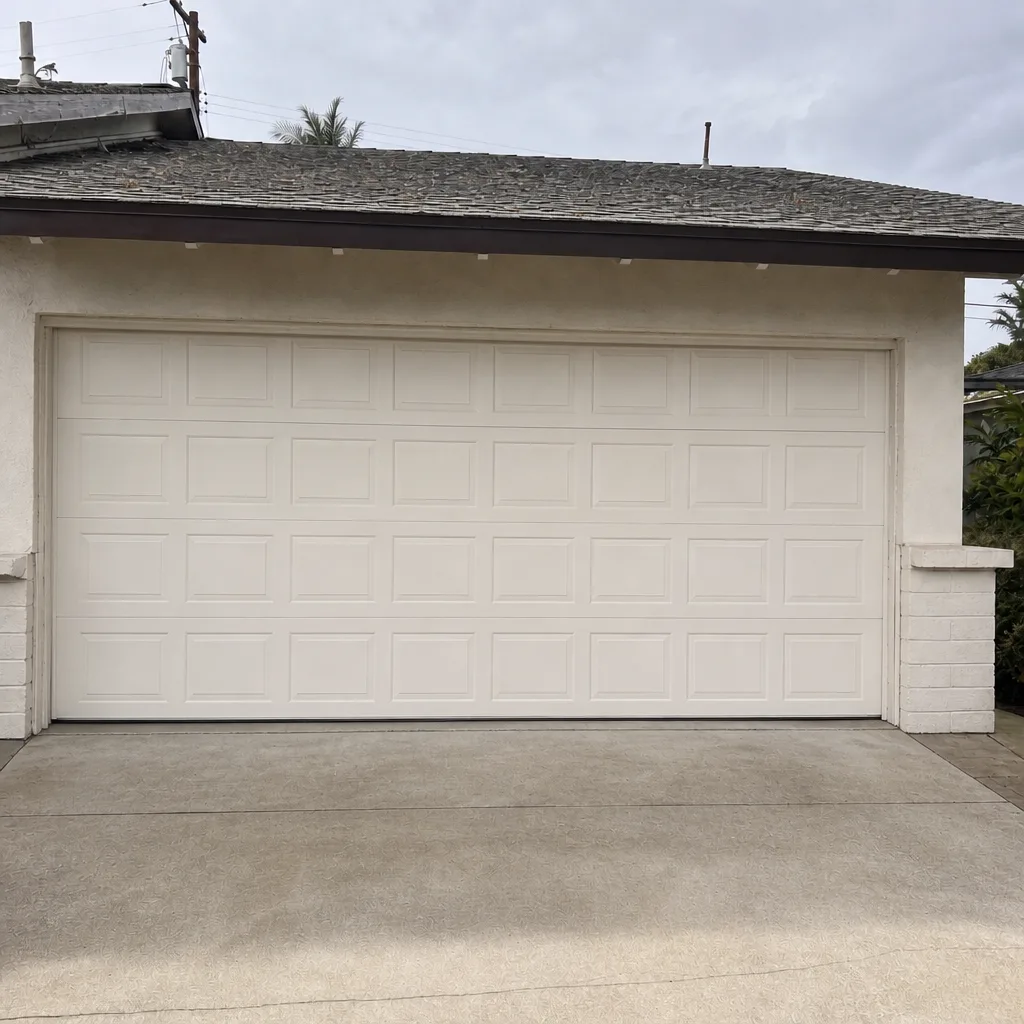 After
When to Call a Professional
You should bring in a garage door specialist when you’re unsure which brand fits your home’s coastal exposure, when you need an honest comparison across multiple manufacturers, or when your existing door’s hardware is reaching the end of its reliable life. A technician who works across eight brands can assess your current door, measure your garage’s humidity exposure, and recommend a replacement that matches your use pattern and budget. If you’re in San Clemente and want a straight answer on which door makes sense for your house, Aspen Garage Door Service offers free estimates. Call (866) 321-6293. We answer 24/7. Fast dispatch from 7am to 7pm, Sunday through Friday.
Frequently Asked Questions
For most San Clemente homes, Clopay and Amarr offer the strongest combination of corrosion-resistant finishes, heavy-gauge steel options, and durable hardware ecosystems. The right choice depends on your specific exposure to marine layer humidity and your daily garage use. Call (866) 321-6293 for a brand recommendation based on your actual house in San Clemente. Estimates are free.
A new 16×7 garage door in San Clemente typically costs between $900 and $3,200 installed, depending on the brand, steel gauge, finish quality, and hardware upgrades. The written estimate sets the final price before work begins. Call (866) 321-6293 for an exact quote on your home.
Yes, marine layer humidity is the single biggest environmental factor affecting garage doors in San Clemente. It causes hardware corrosion and finish degradation over time, especially on doors with thinner steel or basic paint finishes. Choosing a brand with coastal-rated hardware and upgraded finishes makes a measurable difference in door lifespan.
A lifetime warranty on a garage door typically covers structural rust-through on the steel panels, not surface rust, fading, or hardware. Most warranties taper coverage after the first decade and exclude labor costs. The best warranty is one with fast parts availability in Southern California. Call (866) 321-6293 to talk through which brands return warranty parts fastest in San Clemente.
Yes. A technician who services eight major brands sees which doors hold up and which fail early in local conditions. That practical experience produces a more honest recommendation than a single-brand dealer’s sales pitch. We work on the brand you already have, and we match the new door to your house, not to our inventory.
Most installations are scheduled within a week or two in San Clemente, depending on the door’s customization and parts availability. Some standard configurations can be installed faster. Call (866) 321-6293. We answer 24/7. Fast dispatch from 7am to 7pm, Sunday through Friday. A call outside dispatch hours is booked into the next opening.
The Bottom Line
The best garage door brand for your San Clemente home is the one that matches your specific coastal exposure, daily cycle count, and tolerance for future repair inconvenience. Clopay and Amarr lead the field for most local homes with their thicker steel, better finishes, and stronger parts networks. Wayne Dalton offers value at the right spec level. No matter which way you lean, buy the upgraded finish and hardware for a home anywhere near the marine layer, and ask your installer the parts-availability question before you sign anything. That single question will tell you more about the day-to-day reality of owning the door than any warranty brochure ever will.
Written by the team at Aspen Garage Door Service, serving San Clemente since 2012.