
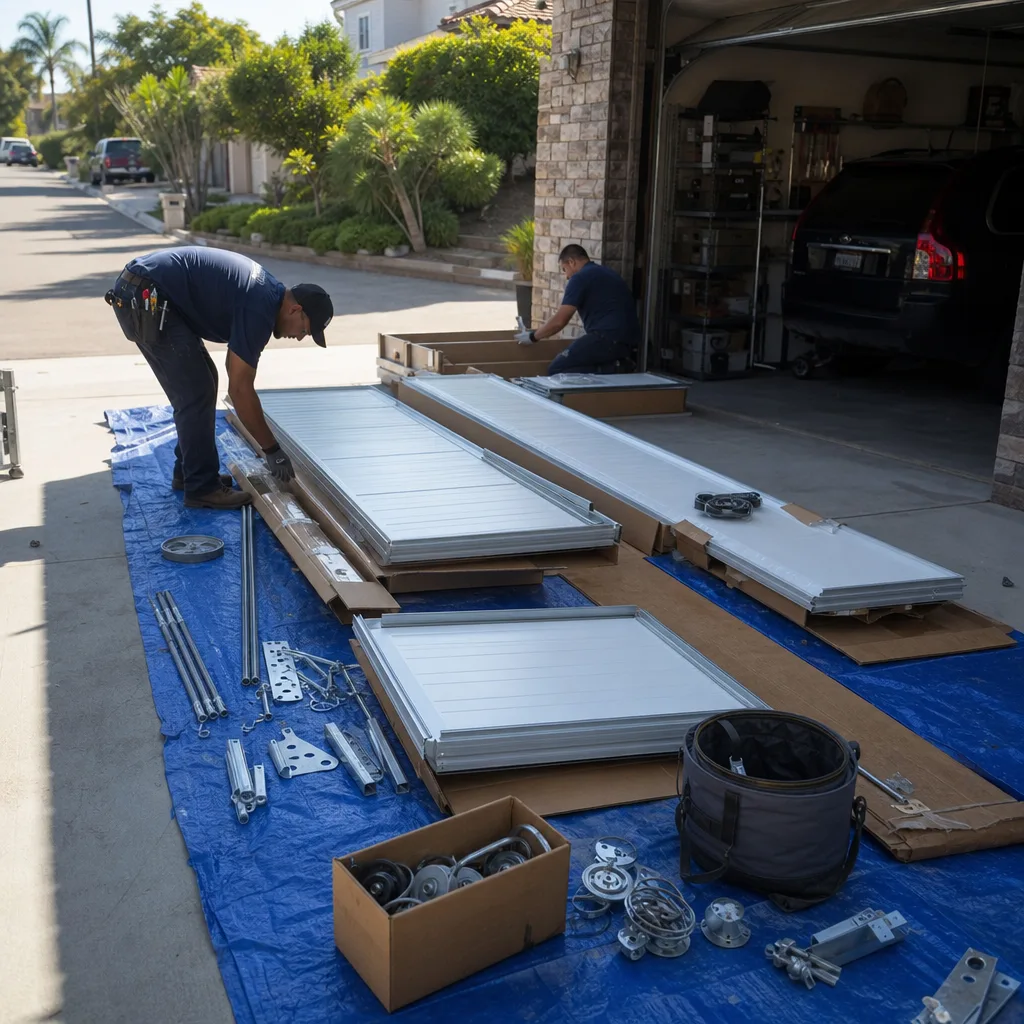
Last updated November 4, 2026
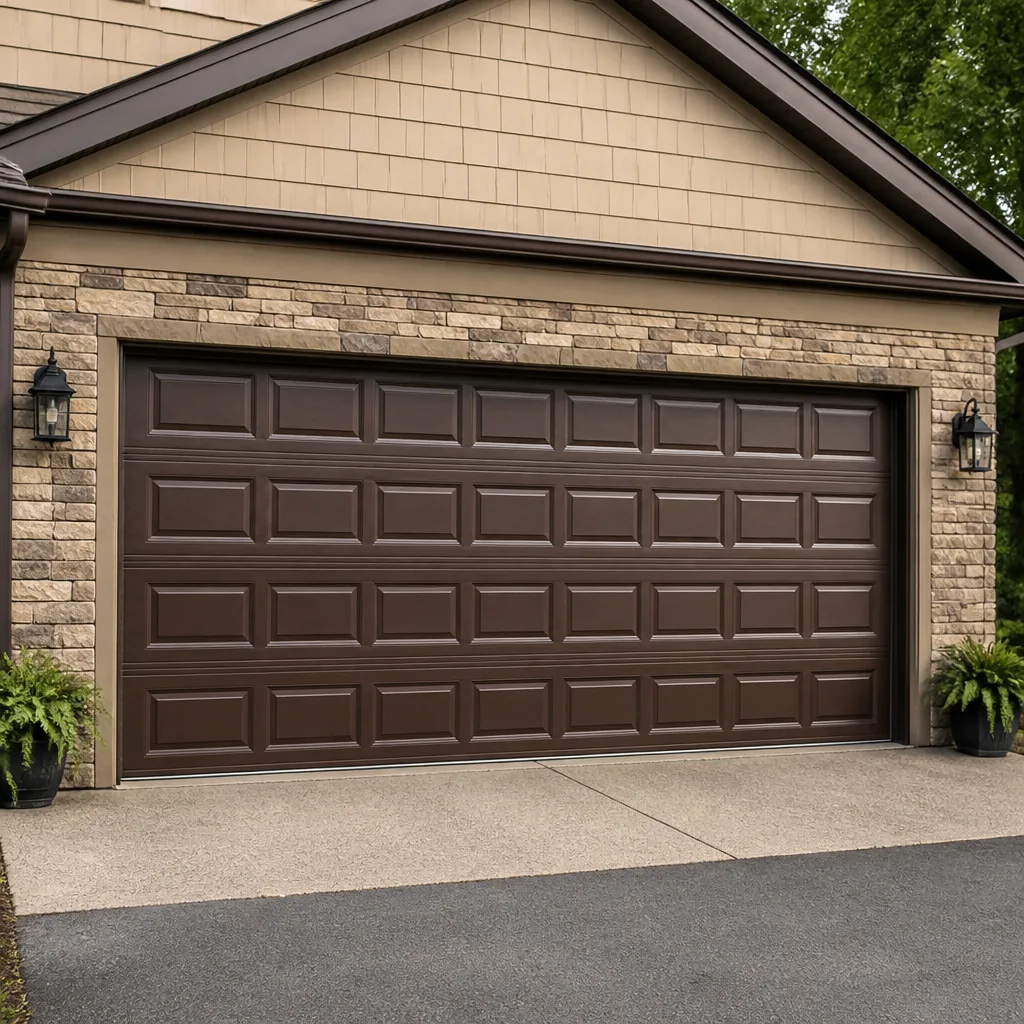 Raised-panel steel
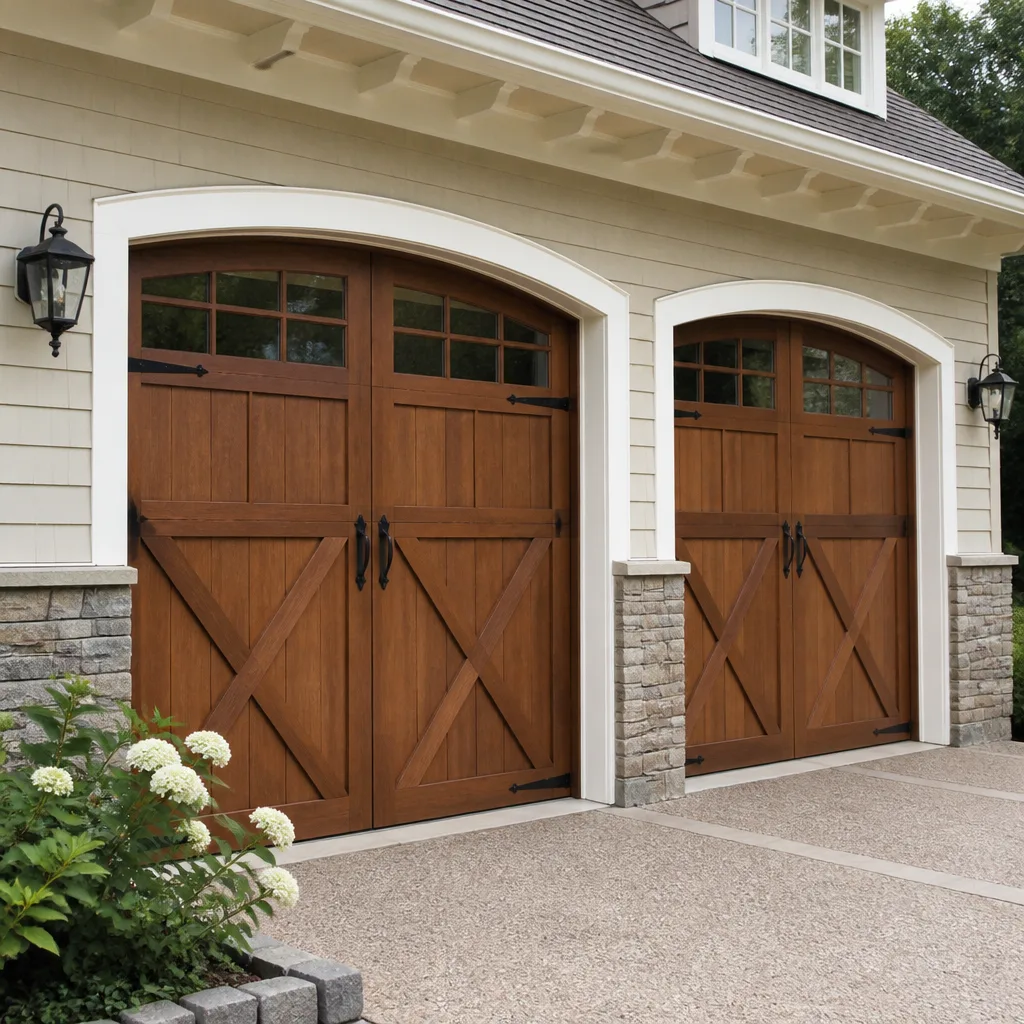 Carriage house
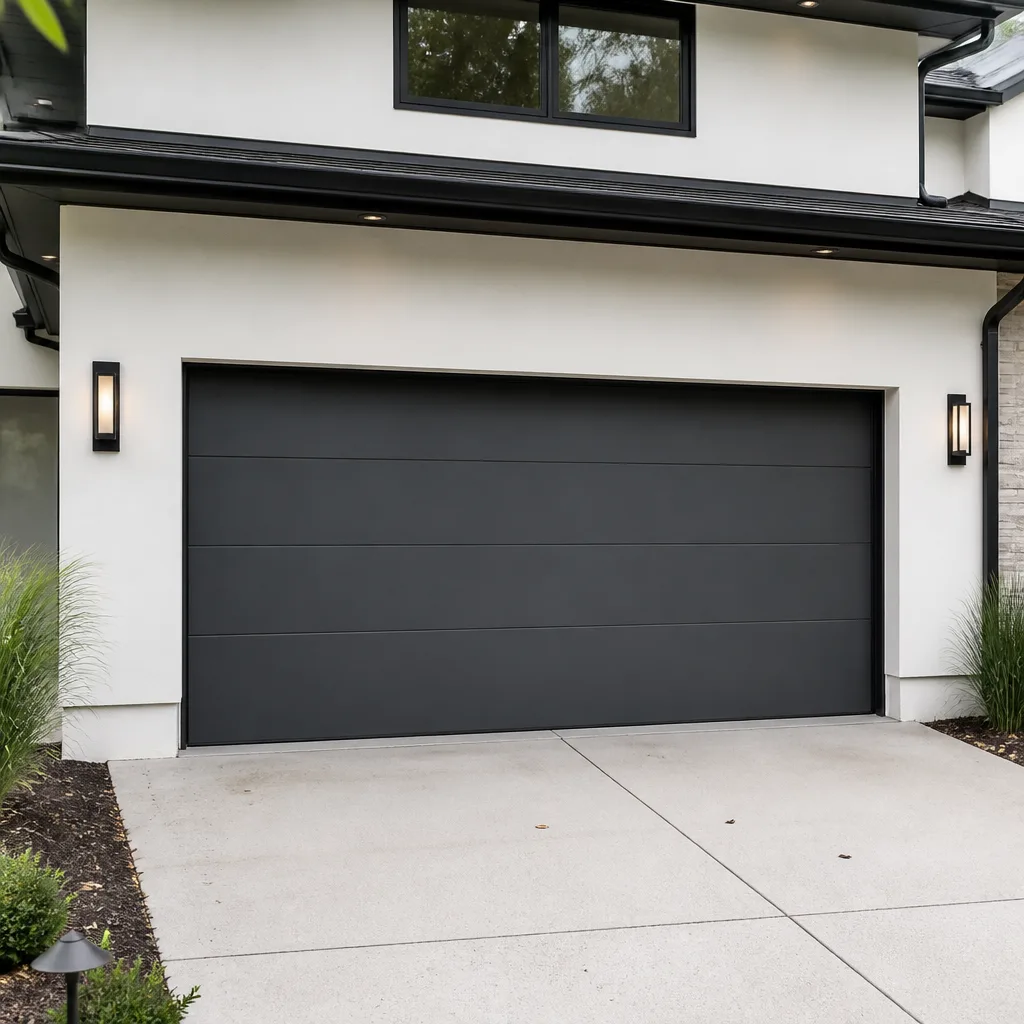 Modern flush
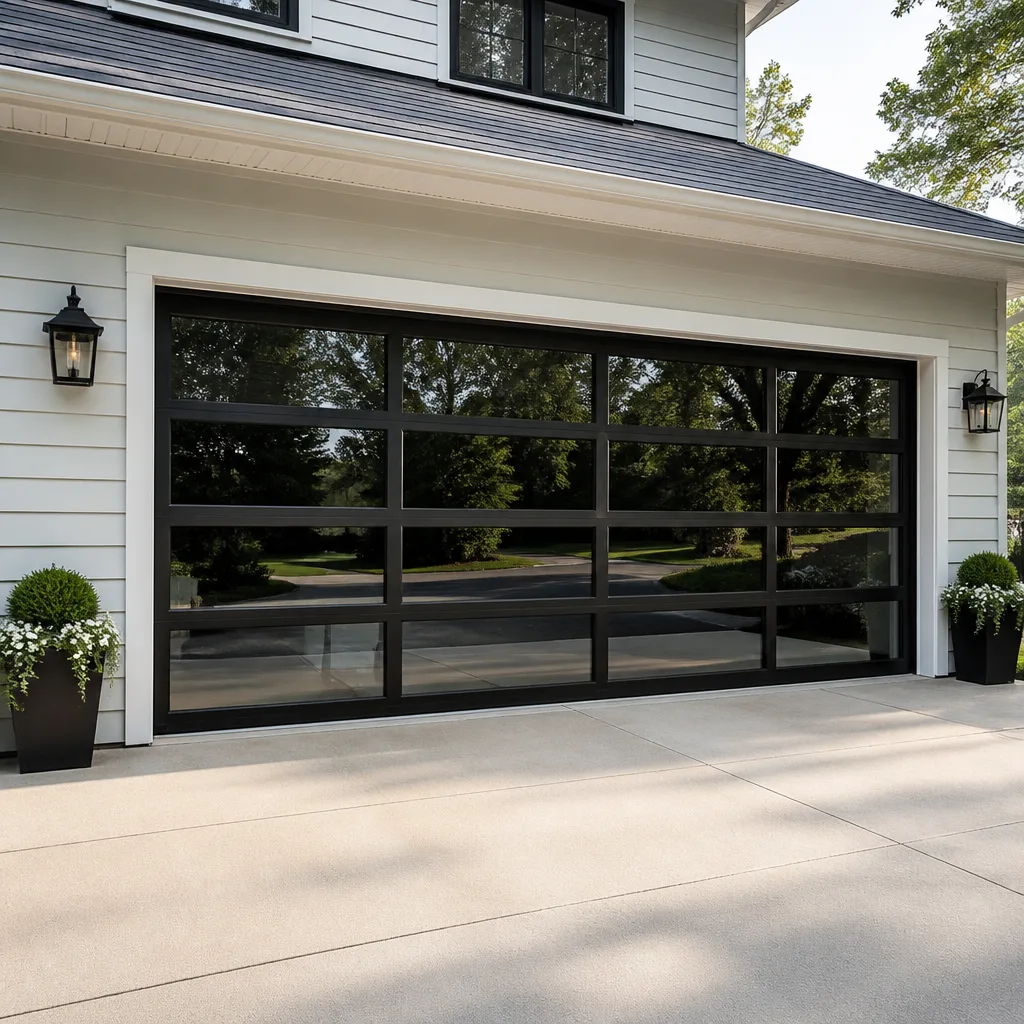 Full-view glass
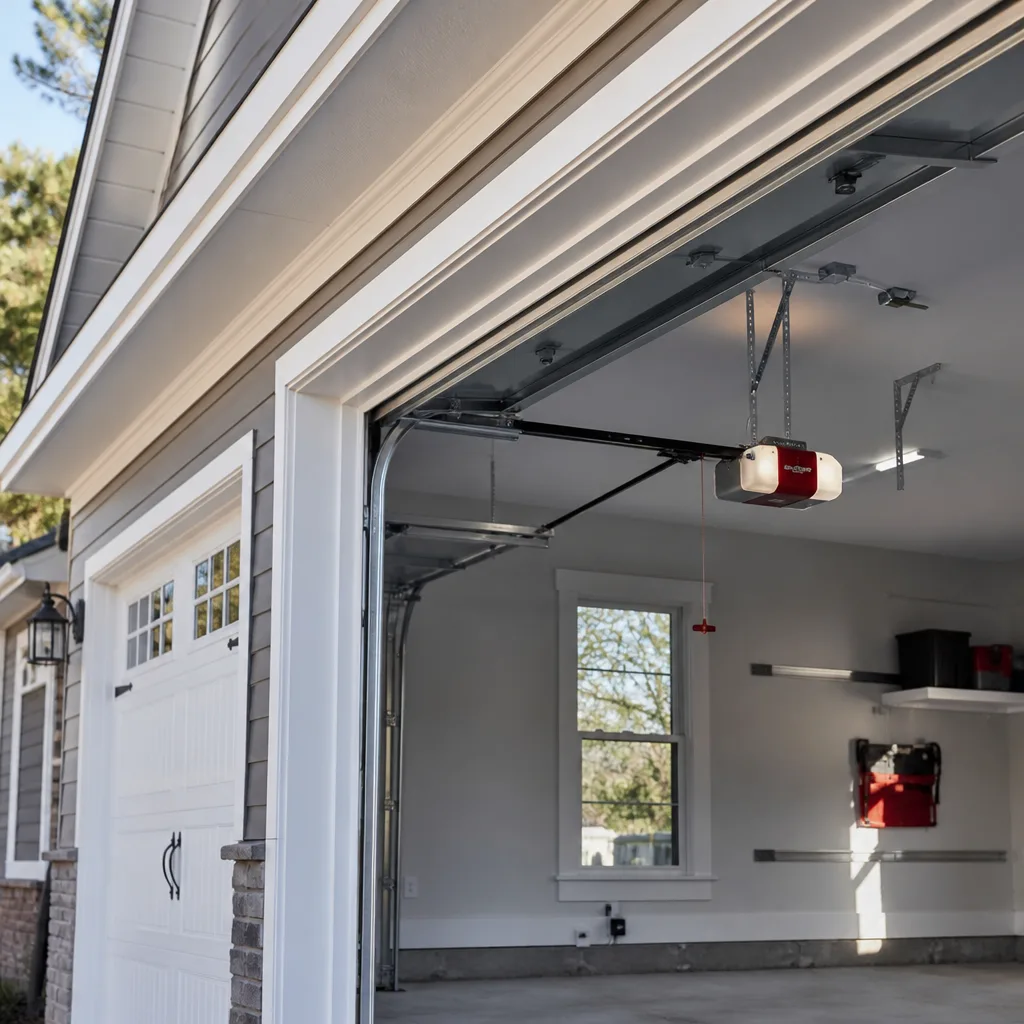 LiftMaster openers
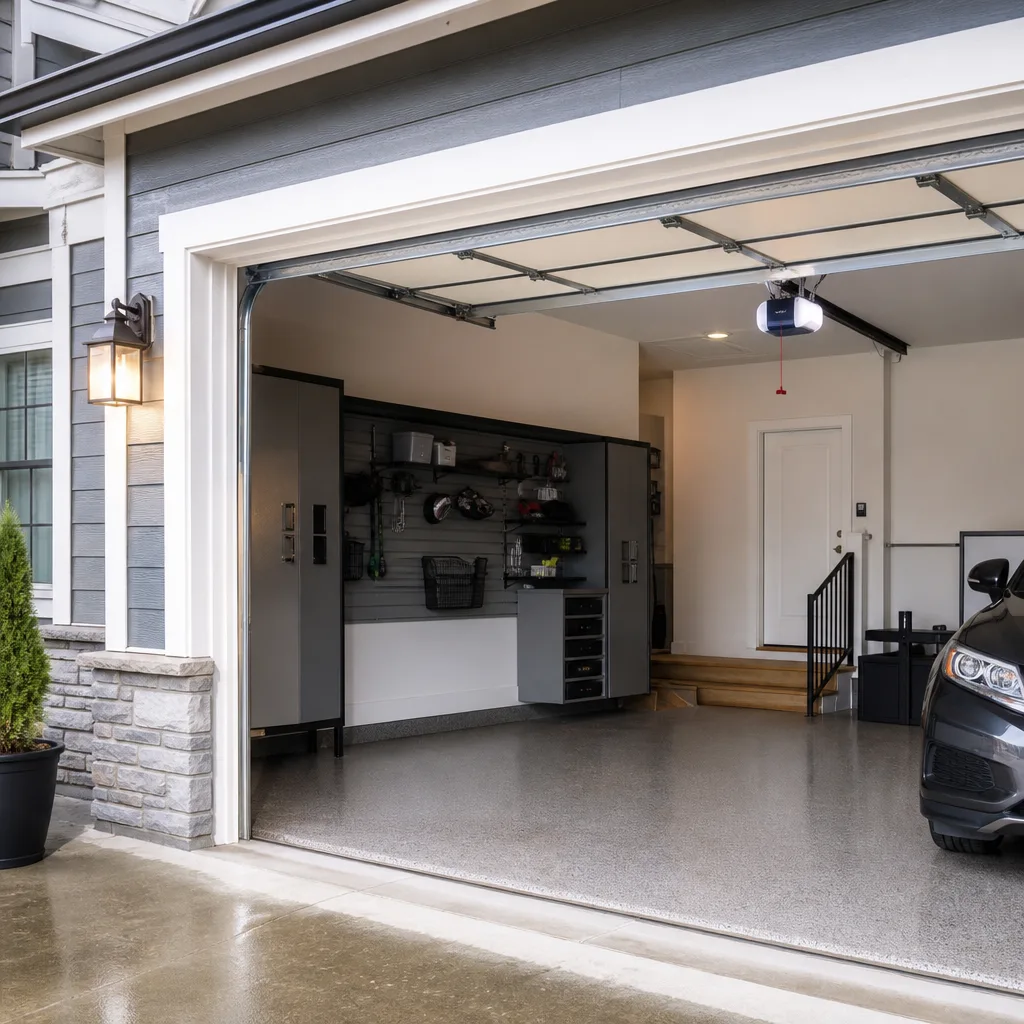 Chamberlain openers
Full 25-point door and opener safety check with every visit - springs, cables, rollers, tracks, and your LiftMaster or Chamberlain opener included
You get a price before we start. It does not change when the truck arrives.
Get your free estimateDIY vs Professional Garage Door: The San Clemente Homeowner’s Decision Guide
A torsion spring stores roughly 100 foot-pounds of torque. The homeowner forums that explain how to adjust one rarely mention that a failed DIY attempt sends that energy into whatever is in its path, including you. That’s the real line between do-it-yourself and call-a-pro, and it’s different than most people assume. By the end of this guide, you’ll know exactly which garage door tasks are safe weekend projects, which ones carry injury risk that outweighs any savings, and how to evaluate your own door before touching a single bolt. San Clemente homes, with their mix of older single-family builds and newer hillside properties, have enough garage door variety that a one-size answer doesn’t work.
Quick Answer
Most San Clemente homeowners can safely handle basic maintenance like lubrication, weatherstripping replacement, and sensor alignment on their own, saving a few hundred dollars a year. But anything involving torsion or extension springs, lift cables, track realignment, or opener motor replacement should be left to a professional because the injury risk and potential for compounding damage are disproportionately high. The honest math: DIY saves money on low-risk upkeep and often costs more on high-risk repairs once you factor in tools, parts, time, and the real possibility of doing it wrong.
Styles & brands we work with
- Raised-panel steel
- Carriage house
- Modern flush
- Full-view glass
- LiftMaster openers
- Chamberlain openers
Table of Contents
- What’s Actually DIY-Safe on a Garage Door
- Tasks That Require a Licensed Technician
- Honest Cost Comparison: DIY vs Professional
- How to Evaluate Your Own Door’s Complexity
- The Insurance and Liability Angle in California
- What to Ask a Contractor So You Learn as You Go
- Common Mistakes to Avoid
- When to Call a Professional
What’s Actually DIY-Safe on a Garage Door
The garage door industry doesn’t make this easy for homeowners. Parts diagrams, YouTube tutorials, and online parts retailers make every job look accessible, but the distinction between safe and dangerous work is rarely stated plainly. Here’s the truth from spending 14 years working on doors throughout San Clemente: roughly 20 percent of the maintenance tasks on a typical residential door are genuinely safe for a careful homeowner with basic tools. The other 80 percent involve stored energy, tension, or weight loads that punish mistakes instantly.
Let’s start with what you can do confidently.
Lubrication and Basic Tune-Up
Lubricating hinges, rollers, and the opener chain or screw drive is a simple task that takes 15 minutes and costs under $10 in materials. White lithium grease on the hinges and rollers, a silicone-based lubricant on the weatherstripping. In San Clemente’s mild climate, this kind of preventive maintenance keeps doors running smoothly year-round without the freeze-thaw issues colder regions deal with. You’re not touching anything under tension when you lubricate a hinge.
Weatherstripping and Bottom Seal Replacement
San Clemente homes don’t deal with frost or snow, but dust, leaves, and the occasional heavy rain still find their way under a worn bottom seal. Replacing the rubber strip along the bottom of the door is genuinely easy: slide the old one out, slide the new one in. No springs, no cables, no stored energy. The same goes for the vinyl weatherstripping around the door frame. This is a 30-minute job that a homeowner can handle with a utility knife and a tape measure.
Photo Eye Sensor Alignment
If your door reverses when closing and the opener flashes an error code, the safety sensors near the bottom of the track are often slightly out of alignment. Loosening the wing nut, adjusting the sensor until the indicator light turns solid, and tightening it back down is a five-minute fix. No tools beyond a screwdriver, no risk beyond a pinched finger. This is DIY territory.
Minor Panel Dent Repair
Small dents in steel door panels can be tackled with car-body techniques: heat, compressed air, or a dent-pull kit. The results won’t be perfect, but for a door that’s going to be replaced eventually anyway, it’s a reasonable stopgap. Keep expectations modest and you won’t be disappointed. Deeper dents that leave the panel creased or structurally weakened are a different conversation and usually point toward panel replacement.
Visual Inspection
Walking around your door monthly and looking for frayed cables, loose bolts, rust, or unusual sag is not just DIY-safe, it’s something every San Clemente homeowner should do. You’re not fixing anything. You’re catching problems before they become emergencies that cost more and take longer to resolve. A visual inspection takes two minutes and costs nothing.
All of these tasks have one thing in common: you’re not releasing, adjusting, or working against tension. That’s the line. Cross it and the math changes dramatically.
Tasks That Require a Licensed Technician
Now the other side of the line. These are the jobs where the risk of serious injury, property damage, or a door that fails catastrophically later outweighs any possible savings. We’ll be direct: we’ve seen the aftermath of DIY spring work, and it’s not worth it.
Torsion Spring Replacement
Torsion springs sit on a shaft above the door and hold the entire weight of the door in rotational force. When one breaks, the door often won’t open at all, even manually. Replacing one requires winding bars inserted into the spring cone, and the winding procedure involves loading the spring under tension. If a winding bar slips, the spring unwinds violently. The energy release is measured in foot-pounds and can fracture bones or worse. This is the single most dangerous task in residential home repair, full stop.
Extension Spring Replacement
Extension springs stretch along the horizontal track on either side. They’re the older design, common on pre-1990s San Clemente homes. While they look less intimidating than torsion springs, they stretch and contract under tension when the door moves. If one breaks while you’re working on it, the spring can fly across the garage. Safety cables help, but only if they’re installed correctly and aren’t themselves frayed or compromised.
Lift Cable Replacement
The cables work with the springs to lift the door. If you detach a cable from the bottom bracket without properly relieving tension, the entire system can shift instantly. The cable itself can also slice through gloves and skin under tension. This is not a YouTube-tutorial job. It’s a call-a-pro job.
Track Realignment
Garage door tracks guide hundreds of pounds of moving door. If a track is bent or out of alignment, the door can bind, jump the track, or fall. Realigning tracks requires knowing how to safely brace the door, release tension from the springs, and resecure the track in the right position. It’s precise work, and the consequences of getting it wrong include a door dropping onto your car, your belongings, or a person.
Opener Motor Replacement
Replacing an entire opener motor involves electrical wiring, mounting brackets, and reprogramming safety and travel limits. It’s not inherently dangerous like springs, but it’s easy to install incorrectly, and an opener that’s wired wrong or programmed poorly can damage the door or fail to reverse safely. For San Clemente homes with smart-home-integrated openers like modern LiftMaster or Chamberlain units, the integration adds another layer of complexity that a professional handles daily.
Panel Replacement on a Tensioned Door
A single panel replacement sounds simple, but the door still has springs and cables attached to it. Removing a panel means supporting the sections above it and working around tensioned components. It’s doable for a pro, and it’s genuinely risky for a homeowner. The panel itself also needs to match the manufacturer and series, which is harder than it sounds.
The pattern here is consistent: anything touching springs, cables, or the structural alignment of the door belongs with a licensed, insured technician. The cost of professional garage door repair is modest compared to the cost of an emergency room visit or a damaged door that now needs full replacement.
Honest Cost Comparison: DIY vs Professional
Let’s talk money, because that’s what drives most DIY decisions. The honest comparison isn’t just parts versus labor. It’s parts plus tools plus time plus risk versus a fixed quote from a professional who carries the parts on the truck and finishes in an hour.
DIY-Safe Tasks: Where DIY Actually Wins
| Task | Typical DIY Cost | Typical Professional Cost | Verdict |
|---|---|---|---|
| Lubrication and tune-up | $10 – $20 in materials | $75 – $125 | DIY wins |
| Weatherstripping replacement | $20 – $40 for materials | $100 – $175 | DIY wins |
| Sensor realignment | $0 – $10 | $80 – $120 | DIY wins |
| Minor dent repair | $30 – $80 for a kit | $200 – $400 | DIY wins if dent is minor |
These are the cases where doing it yourself genuinely makes sense. You’re saving real money, the tools are things you already own or can buy cheaply, and the downside risk is a slightly imperfect result, not a hospital visit.
High-Risk Tasks: Where DIY Often Costs More
| Task | DIY Parts and Tools | Professional Estimate | Hidden DIY Costs |
|---|---|---|---|
| Torsion spring replacement | $60 – $120 for springs, $40 – $70 for winding bars | $180 – $340 per spring, most doors need a matched pair | Injury risk, door damage from improper balance, repeat failure |
| Extension spring replacement | $40 – $80 for springs, $25 for safety cables | $150 – $250 per spring, matched pair recommended | Flying spring risk, incorrect spring size burns out opener |
| Cable replacement | $25 – $50 for cables | $125 – $250 | Door can drop if tension released wrong, track damage |
| Opener motor replacement | $150 – $350 for motor, plus wiring tools | $400 – $800 installed | Wrong wiring creates fire risk, programming errors damage door |
| Track realignment | $50 – $100 in tools | $150 – $300 | Door off track means full replacement, not just repair |
Look at the torsion spring row closely. A DIYer spends $100 to $190 on parts and tools. A professional in San Clemente charges $180 to $340 per spring, installing a matched pair is standard practice because springs wear together. The professional works faster, has the right springs on the truck, and carries liability insurance. The DIYer saves maybe $200 on a pair, but is one slip away from a broken wrist, a door that falls onto their car, or a return trip because they bought the wrong spring size. Suddenly that $200 savings disappears.
The same math applies to opener replacement. A DIYer buys a Chamberlain or Genie unit for $150 to $350, spends an afternoon mounting and wiring it, and then discovers the travel limits are wrong and the door reverses unpredictably. A professional installs the same opener in two hours, programs it correctly, and the job is done. The written estimate sets the price before work starts, so there’s no surprise invoice.
One more scenario worth mentioning: the San Clemente homeowner who tries a DIY spring replacement, gets the door balanced slightly wrong, and doesn’t notice. The opener now works against an improperly balanced door, burning out the motor over the next year. That’s a $400 to $800 opener replacement on top of the original spring job. That’s the hidden cost no parts receipt shows.
How to Evaluate Your Own Door’s Complexity
Before you decide anything, take five minutes to understand what you’re working with. Every garage door has characteristics that make it a better or worse candidate for DIY work.
Spring Type
Torsion springs are mounted on a bar above the door opening, parallel to the floor. They’re thicker, wound tightly, and dangerous to adjust. If your door has torsion springs, professional-only applies to any spring work. Extension springs run along the upper track on each side, perpendicular to the door. They’re the older design, common on San Clemente homes built before 1990. They’re slightly less dangerous than torsion springs but still under significant tension and still a professional-only job.
If you don’t know which type you have, look above the door when it’s closed. A thick coiled spring on a horizontal bar is torsion. Long thin springs running along the track are extension.
Door Age and Condition
A door installed in the last five to ten years is generally easier to maintain because parts are readily available and the hardware hasn’t rusted or fatigued. A door that’s 20 or 30 years old, like many you’ll find in San Clemente’s older neighborhoods, has parts that may be discontinued, springs that are near the end of their service life, and metal that’s seen better decades. Older doors deserve more professional attention, not less, because one repair often reveals another issue.
Opener Integration
If your opener is a modern smart-home unit, think LiftMaster with MyQ, Chamberlain with built-in Wi-Fi, or a Genie unit tied to your home automation system, the complexity goes up. Smart openers have firmware, apps, and network settings that can go wrong in ways that a manual opener never did. Swapping out a smart opener yourself means reconnecting it to your home network and getting the safety reversal settings right. Professional garage door opener repair includes diagnosing and reprogramming these units properly, and an experienced technician has seen your exact model before.
Door Material and Weight
A single-car aluminum door weighs around 150 to 200 pounds. A double-car steel door with insulation weighs 300 pounds or more. Wood doors weigh even more. The heavier the door, the more energy is stored in the springs, and the more catastrophic a cable or spring failure becomes. If you have a heavy door, lean professional for anything beyond basic maintenance.
The Insurance and Liability Angle in California
Most San Clemente homeowners never think about insurance when they’re deciding whether to fix a garage door themselves. They should. The insurance implications of DIY garage door work are real, and they’re not friendly to the do-it-yourselfer.
Homeowner’s insurance policies in California generally cover sudden and accidental damage to your home. A garage door that falls because a cable broke is typically covered. But here’s the nuance most people miss: if the damage or injury results from a repair you attempted yourself, the insurance company may deny the claim on the grounds that the damage was caused by faulty workmanship, not a sudden accident. Faulty workmanship is excluded from most standard policies.
Here’s the scenario. You replace a torsion spring yourself, it breaks three weeks later because you installed it wrong, and the door falls onto your car. Your insurance adjuster asks who installed the spring. When the answer is “I did,” the claim gets flagged. The insurer may cover the car under your auto policy, but the door repair is now your responsibility, and the car claim could raise your rates.
Now the same scenario with a licensed, insured professional. The spring fails because of a manufacturing defect or installation error. The contractor’s liability insurance covers the damage. Your homeowner’s policy isn’t touched. That’s the practical difference.
We’re not saying every DIY repair voids your insurance. We’re saying that high-risk tasks, springs and cables especially, carry a liability exposure that low-risk maintenance doesn’t. If you’re going to DIY anything, stick to lubrication and weatherstripping. If you’re going to touch springs, hire a pro and make sure they carry current liability insurance. Ask to see proof. Any reputable San Clemente garage door company will provide it without hesitation.
What to Ask a Contractor So You Learn as You Go
Hiring a professional doesn’t mean staying ignorant about your own door. The smart San Clemente homeowner uses the service call as a learning opportunity. A good technician will explain what they’re doing and why, and the homeowner who asks the right questions builds genuine knowledge for future maintenance decisions.
Here’s what to ask while the technician works:
- “What caused this failure, and can I prevent it next time?” This question gets you root-cause information, not just a fix. The answer tells you whether it was age, a specific component, or something in how the door was used or maintained.
- “Which parts are safe for me to maintain myself?” Let the technician identify the lubrication points, the sensor locations, and the wear indicators you can monitor. A good tech will point them out without being asked twice.
- “What’s the remaining life on the other spring or cable?” Springs wear in pairs. If one failed, the other is close behind. This question helps you budget for the next repair instead of being surprised by it.
- “Is my opener matched properly to this door, or is it working too hard?” An undersized opener on a heavy door burns out motors. A tech can tell you in ten seconds whether your setup is right.
- “What would you replace on this door within the next two years?” This gives you a maintenance roadmap. You won’t be upsold, you’ll be informed.
We’ve found that San Clemente homeowners who ask these questions end up with fewer emergency repairs because they understand their door’s condition instead of just reactively fixing what breaks. The idea isn’t to become a garage door mechanic. It’s to understand what you’re looking at so you can make an informed call about when to DIY and when to call.
Common Mistakes to Avoid
We see the same mistakes repeated across San Clemente garages. Here are the ones that cost homeowners the most money and create the most dangerous situations.
- Touching springs without winding bars. Any tutorial that suggests using screwdrivers, pry bars, or improvised tools for torsion spring work is actively dangerous. Winding bars are purpose-built, fit the spring cone precisely, and cost $20. Using anything else is how broken bones happen.
- Replacing only one spring to save money. Springs wear in matched pairs. Replacing one spring on an older door leaves the door unbalanced, and the old spring fails soon after. You’ll pay for a second service call and possibly a burned-out opener.
- Ignoring a frayed cable because the door still works. A frayed cable is a countdown, not an inconvenience. When it breaks, the door can drop instantly, taking the track with it and damaging whatever is underneath.
- Buying parts online without checking spring size. Torsion springs come in specific sizes measured by wire diameter, inside diameter, and length. A spring that’s one size off makes the door impossible to balance properly. The money saved on parts gets eaten by the cost of doing the job twice.
- Assuming a silent door is a healthy door. Garage doors that operate silently are often overdue for lubrication, not in great shape. Metal-on-metal contact is what you’re missing. Regular lubrication extends component life and prevents the wear that leads to bigger repairs.
- Unplugging an opener and assuming it’s safe to work on the door. The opener motor is rarely the danger. The springs and cables hold the stored energy, and they don’t care whether the opener is plugged in. Always assume the door is under tension when it’s up.
When to Call a Professional
If you take one thing from this guide, take this: call a professional when the repair involves springs, cables, track alignment, or opener motor work. It’s that simple. The injury risk on the first two is not theoretical, the precision required on the second two is not intuitive, and all four carry costs that multiply when done wrong.
Beyond that, call when you’ve inherited an older door with an unknown service history. Call when your door is intermittent, working sometimes and not others, because that pattern suggests a failing component that needs diagnosis. Call when a door is off-balance, sagging on one side when opened halfway. And call when you’ve already attempted a DIY fix that didn’t resolve the issue. We see that last one regularly, and the repair is always more expensive after a partial DIY attempt than it would have been fresh.
Aspen Garage Door Service offers free estimates throughout the San Clemente area. We work on the brand you already have, answer 24/7, and dispatch fast from 7am to 7pm, Sunday through Friday. Call (866) 321-6293 for a free estimate, no guesswork and no runaround.
See the difference
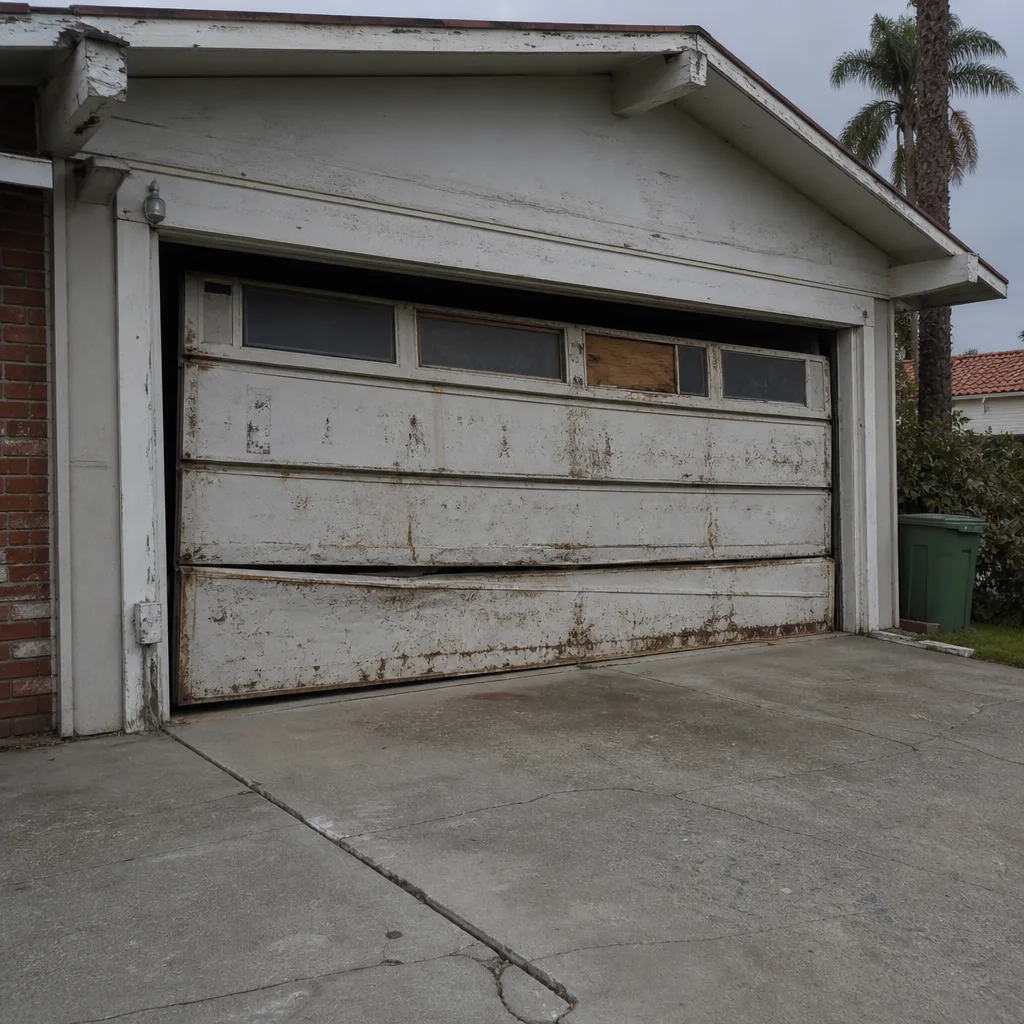 Before
 After
 Before
 After
 Before
 After
Frequently Asked Questions
Yes, on low-risk tasks like lubrication, sensor alignment, and weatherstripping replacement, DIY saves you $80 to $150 per task compared to hiring a professional. On high-risk tasks like spring or cable replacement, DIY often costs more once you account for tools, time, the risk of doing it wrong, and the potential for secondary damage to the door or opener.
No, spring replacement is the most dangerous residential repair task regardless of where you live, and we strongly recommend against attempting it. Torsion springs store enough torque to break bones if a winding bar slips, and extension springs can fly across the garage if a cable fails. Call (866) 321-6293 for a free estimate from an insured professional instead.
If the task involves lubrication, weatherstripping, sensor alignment, or minor dent work, it’s DIY-safe. If it involves springs, cables, track realignment, or opener motor replacement, it’s not. The line is whether you’re working against stored tension or simply maintaining components that move freely.
In many California cases, damage caused by faulty DIY workmanship is excluded from homeowner’s coverage because the damage wasn’t sudden and accidental, it resulted from your own repair attempt. A licensed, insured professional carries their own liability coverage, which protects you differently. Ask to see proof of insurance before any high-risk work starts.
Yes, our technicians arrive with the common spring sizes, cables, rollers, and opener components needed for most San Clemente garage doors, whether the door is a Clopay, Amarr, or another brand. That means the repair usually gets done in one visit instead of waiting on a parts order. The price is quoted and agreed before any work starts.
Yes, we work on LiftMaster, Chamberlain, Genie, and other opener brands, including smart-home-integrated units. Whether it’s a Wi-Fi connectivity issue, a sensor problem, or a full motor replacement, our technicians diagnose and repair the opener itself, often saving you the cost of replacing a door that doesn’t need replacing.
The Bottom Line
The DIY-versus-professional decision for garage doors isn’t about whether you’re handy. It’s about knowing which tasks carry disproportionate injury risk and which are genuinely safe weekend projects. Lubricate, inspect, and replace weatherstripping yourself. Leave springs, cables, tracks, and opener motors to licensed professionals. The money you save on DIY maintenance is real; the money you lose on DIY repairs is often larger than the professional quote would have been. When a task crosses the tension line, call (866) 321-6293 for a free estimate. We answer 24/7, dispatch fast from 7am to 7pm Sunday through Friday, and never start work without a written price you’ve already approved.
Written by the team at Aspen Garage Door Service, serving San Clemente since 2012.