
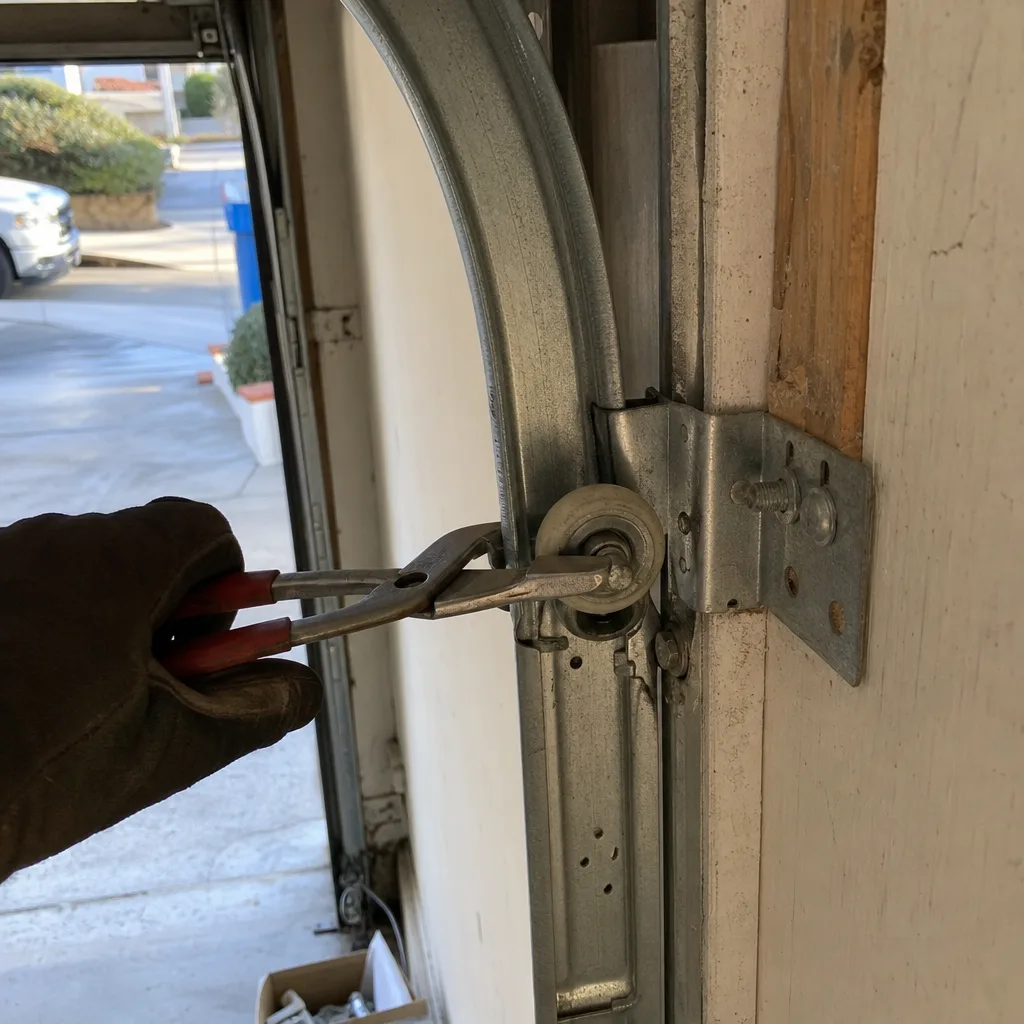
Last updated November 4, 2026
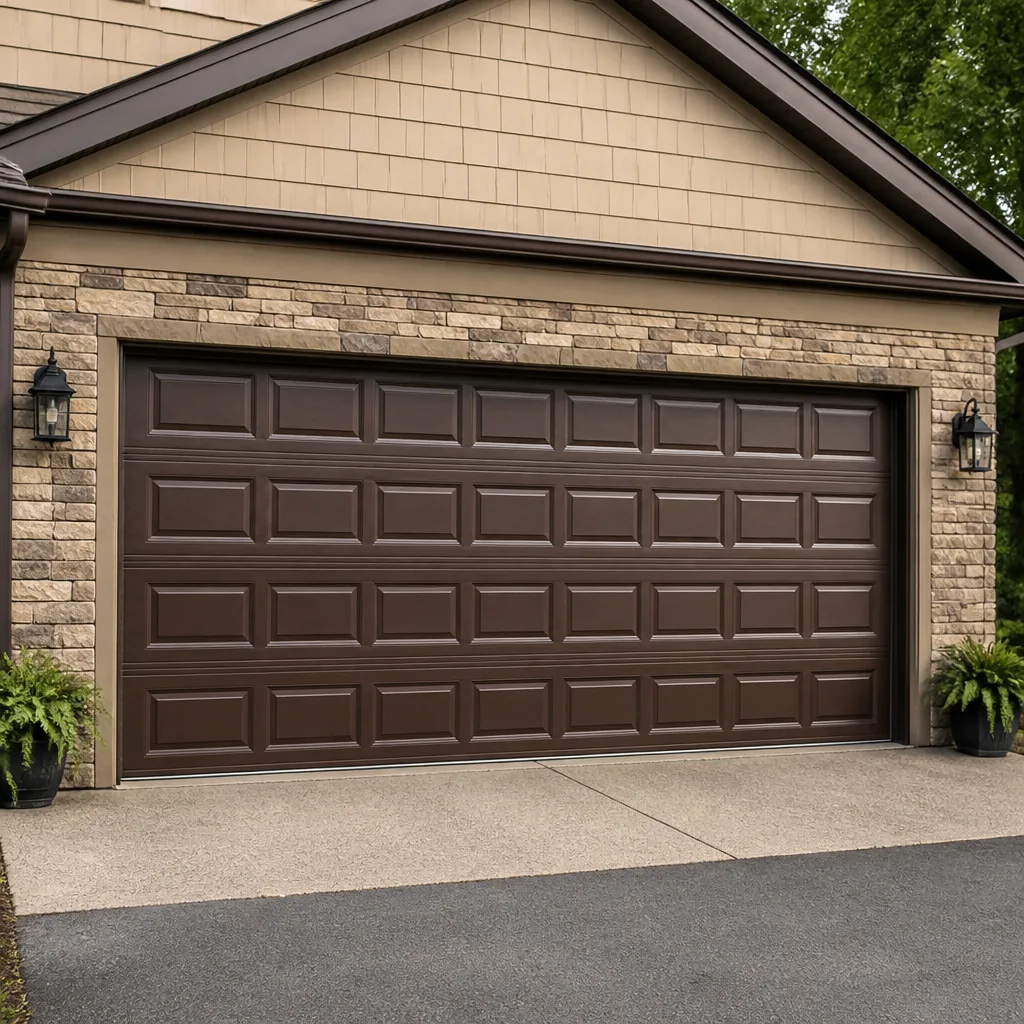 Raised-panel steel
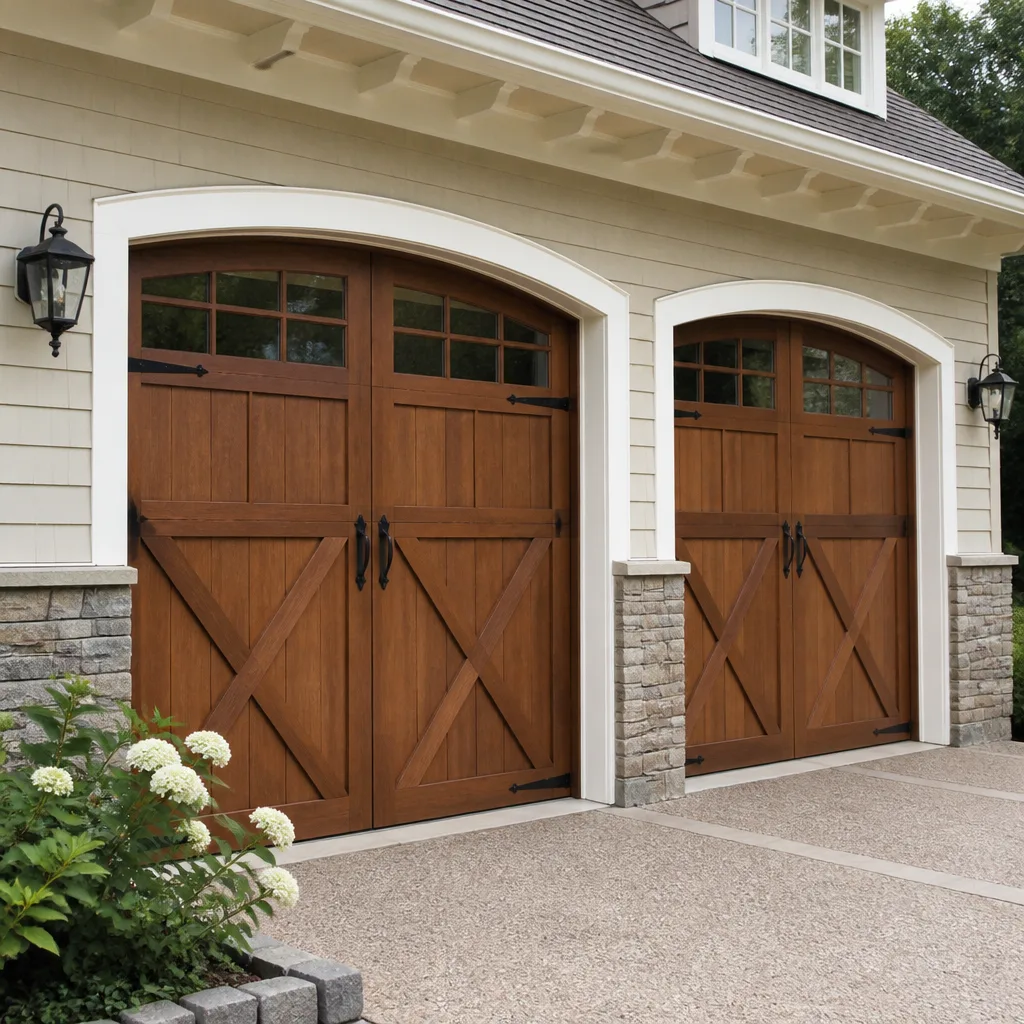 Carriage house
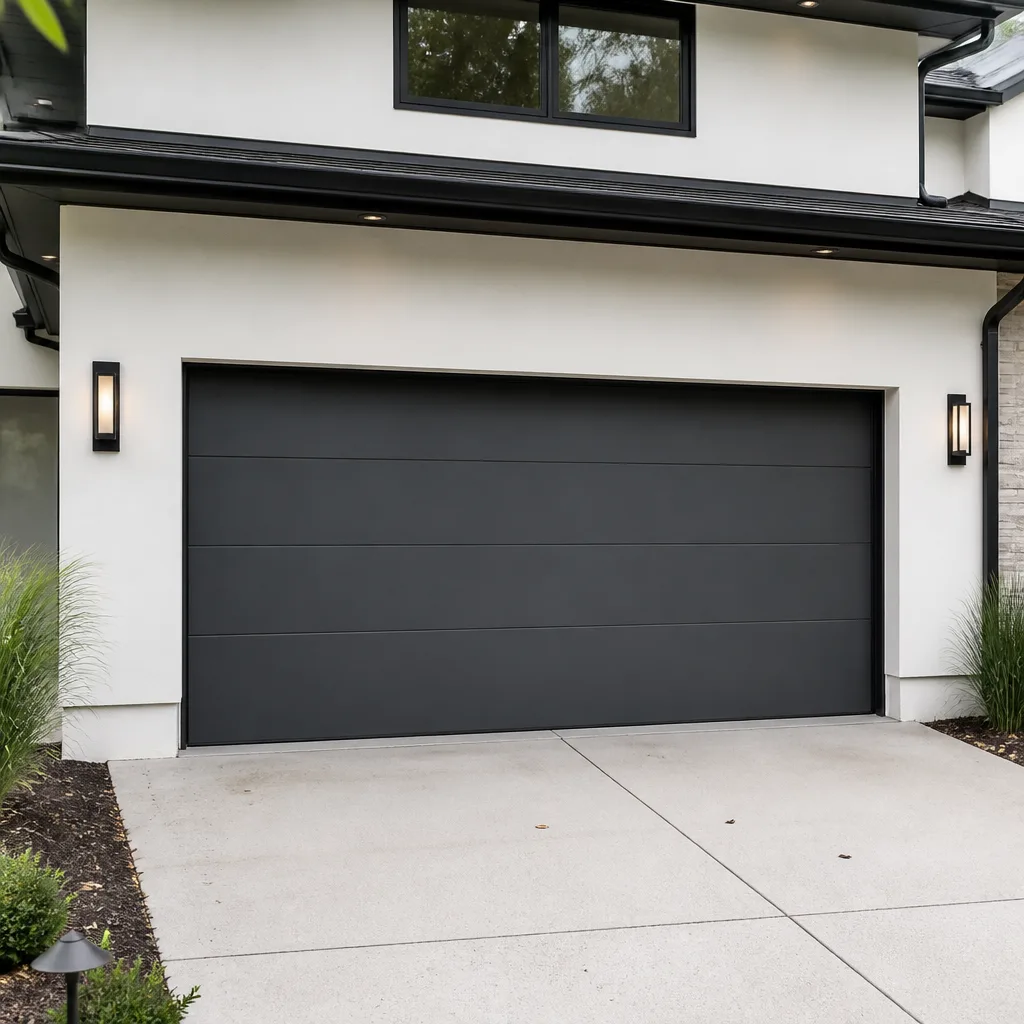 Modern flush
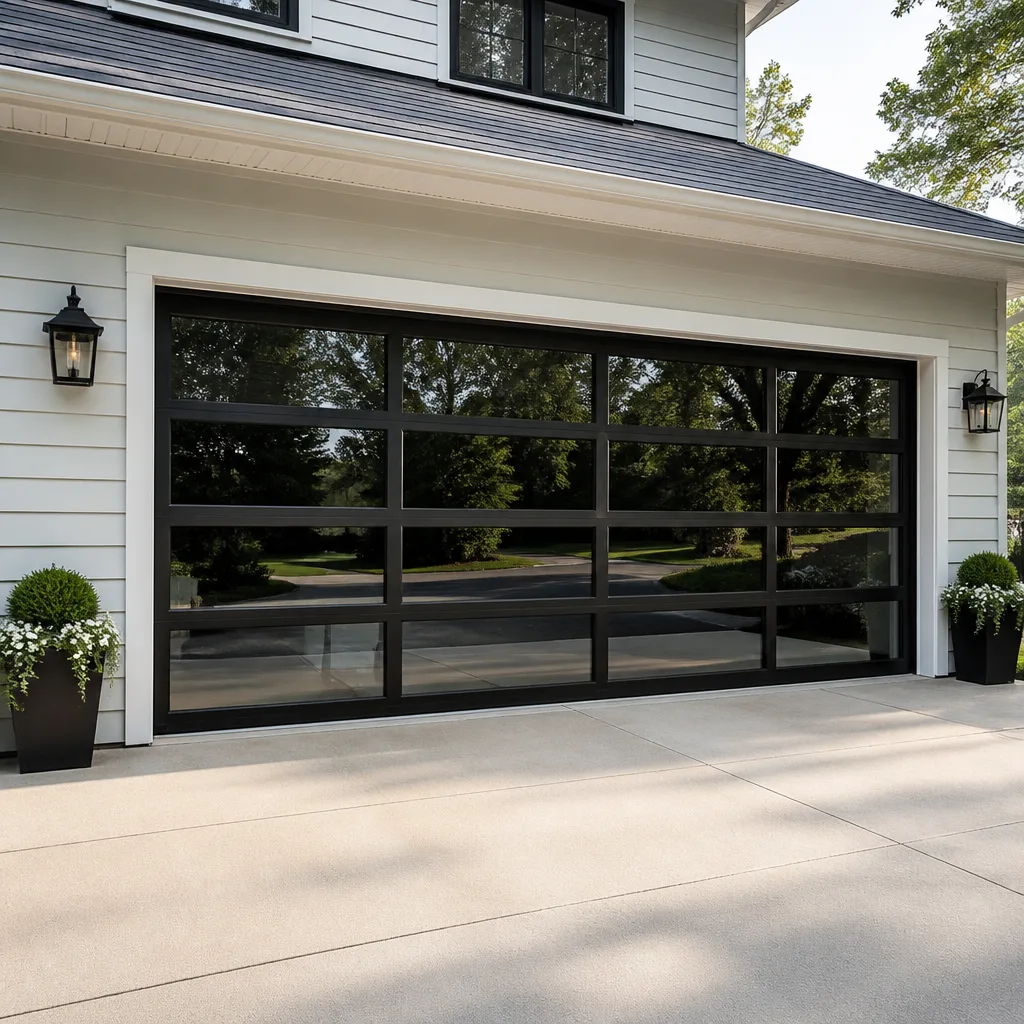 Full-view glass
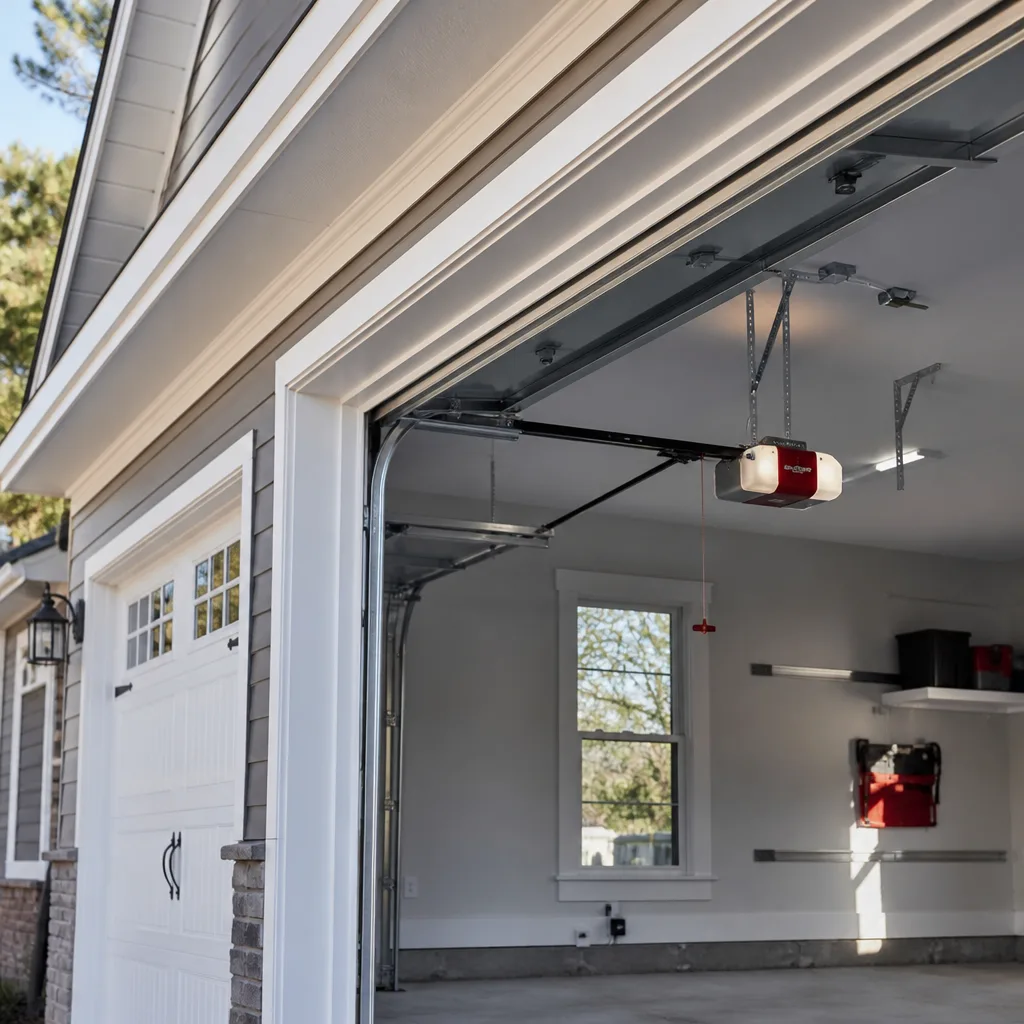 LiftMaster openers
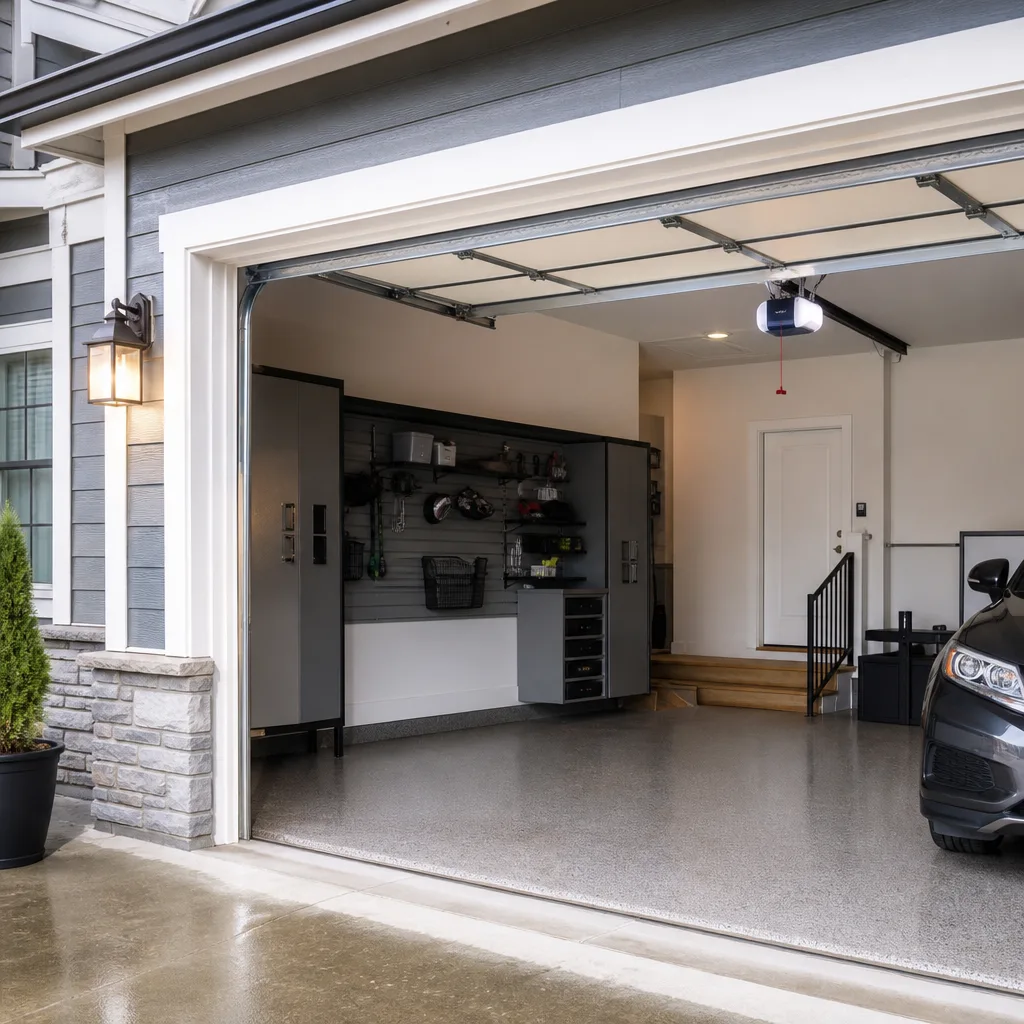 Chamberlain openers
Full 25-point door and opener safety check with every visit - springs, cables, rollers, tracks, and your LiftMaster or Chamberlain opener included
You get a price before we start. It does not change when the truck arrives.
Get your free estimateGarage Door Repair Troubleshooting in San Clemente: Common Problems and How to Fix Them
Most San Clemente homeowners assume a garage door that squeaks is a garage door that needs lubrication, a door that reverses is a sensor problem, and a spring that snaps is just old. Sometimes that’s true. But the marine layer that rolls through the hills changes how garage door hardware ages, and a spring that fails in San Clemente often fails differently than the same spring would in Temecula. This guide maps real symptoms to real causes, including the corrosion patterns we see on torsion springs, cables, and rollers after years of coastal humidity, so you can fix the right thing the first time instead of chasing a symptom.
Styles & brands we work with
- Raised-panel steel
- Carriage house
- Modern flush
- Full-view glass
- LiftMaster openers
- Chamberlain openers
Quick Answer
Most San Clemente garage door issues fall into seven categories: broken springs, snapped cables, misaligned sensors, worn rollers, opener failures, track problems, and weather-related hesitation on humid mornings. You can safely handle lubrication, sensor cleaning, and remote reprogramming yourself, but torsion springs and cable drums carry genuine injury risk and call for a trained technician. If the door won’t open at all, makes a loud bang, or sags unevenly, stop troubleshooting and call a garage door repair specialist.
Table of Contents
- Symptom-to-Cause Decision Tree for San Clemente Homes
- Why Coastal Humidity Changes How Hardware Wears
- What’s Safe to Fix Yourself (and What Isn’t)
- The Morning Fog Hesitation:Symptom You Don’t Want to Ignore
- The Monthly Balance Test That Catches 80% of Problems
- Torsion Spring Repair: What a San Clemente Technician Actually Does
- Opener Troubleshooting: When to Repair vs. Replace
- Sensor Alignment and Why It Fails After Rain
- Common Mistakes to Avoid
- When to Call a Professional
- Frequently Asked Questions
- The Bottom Line
Symptom-to-Cause Decision Tree for San Clemente Homes
Garage doors rarely fail without warning. The trick is reading the warning correctly, and that’s where San Clemente’s climate complicates things. A grinding noise that a generic guide calls “worn rollers” may actually be rust pitting on the roller bearings, accelerated by months of damp mornings. Here’s how to work through the four most common symptoms and find the true cause.
Door won’t open at all
Start with the simplest explanations. Check the opener’s power source, then look at the door itself. If the opener motor runs but the door stays put, you’re likely looking at a broken torsion spring or a disconnected opener carriage. A torsion spring that snaps makes an unmistakable sound like a firecracker or a dropped wrench, and the door becomes dead weight. If you hear the motor hum and nothing moves, the carriage may have stripped its gear, especially on older LiftMaster and Chamberlain units. In coastal humidity, we also see corroded terminal connections on the opener logic board that mimic a dead opener entirely.
Door opens unevenly
An uneven door almost always points to a cable problem or a broken spring on one side. When one torsion spring snaps and the other holds, the door tilts as it lifts. Cables that have rusted or frayed from years of damp air can slip off the drum, dropping one corner suddenly. Never try to re-seat a cable yourself; the tension on the cable drum is enough to sever a finger. This is technician territory, full stop.
Door reverses unexpectedly
Safety sensors are the usual suspect, and they’re easy to check. But in San Clemente, we also see phantom reversals caused by condensation inside the sensor housing after foggy nights. The lens fogs from the inside, the beam scatters, and the opener thinks something is in the way. Wiping the outside helps briefly, but the real fix is cleaning the interior lens or replacing a sensor that’s lost its seal. A second cause: the opener’s force settings drifting as the door’s springs weaken, making the opener work harder and trip its own safety reversal.
Door makes a grinding noise
Grinding usually means roller bearings, but coastal corrosion changes the picture. Inland, a grinding roller wears smooth. Near the coast, rust pitting creates a rough, crunchy grind that tears up the track over time. If you see orange dust around the roller stems, that’s oxidized metal shedding, not normal wear. The rollers need replacement before the track itself gets grooved.
Why Coastal Humidity Changes How Hardware Wears
The marine layer that hangs over San Clemente hills between May and October does more than gray out the mornings. It keeps relative humidity high for hours at a stretch, and that moisture works into every unpainted metal surface on a garage door system. Torsion springs, cables, roller bearings, hinges, and even the opener’s internal gears all respond to it.
Normal spring wear looks like smooth metal fatigue: the coil eventually cracks and separates, usually after tens of thousands of cycles. Coastal corrosion looks different. You’ll see surface rust blooming along the coil before it breaks, especially near the ends where the spring anchors to the bracket. That rust creates micro-pits in the steel, which concentrate stress at a single point. A spring with enough rust pitting will snap long before its rated cycle life.
Cables corrode even faster. They’re thinner, more exposed, and often overlooked during routine maintenance. A cable that’s lost its galvanized coating will show rust speckling and stiff, brittle strands. When one of those strands breaks under load, the cable loses integrity quickly. If you can see broken strands or rust on a cable, don’t operate the door. A snapped cable under tension is dangerous, and a door hanging by one cable can twist and bind unpredictably.
The practical takeaway: in San Clemente, you replace hardware on a shorter cycle than the manufacturer’s general recommendation suggests. Springs rated for 10,000 cycles may only deliver 7,000 in a coastal garage that isn’t ventilated. A technician who knows this will inspect for corrosion, not just age, and that’s the difference between a repair that lasts and one that fails again in eighteen months. Garage door repair in this climate means reading the rust, not just replacing the part.
What’s Safe to Fix Yourself (and What Isn’t)
Some garage door maintenance is genuinely DIY-friendly. Other tasks hurt people. Here’s the line, made as clear as we can make it.
Safe to do yourself
- Lubrication: Spray a white lithium grease on the hinges and a garage door-specific lubricant on the rollers and springs. Do this twice a year in San Clemente, more if you park near the beach side of town.
- Sensor alignment: If the sensor lights blink or the door won’t close, loosen the wingnut, straighten the sensor so both lights glow steady, and retighten. You can do this in under ten minutes.
- Remote reprogramming: If the remote stopped working after a power outage or battery swap, the reprogramming sequence is in your opener manual. For Chamberlain, LiftMaster, and Craftsman units, it’s usually a “Learn” button on the motor head.
- Track cleaning: A rag and mild cleaner on the vertical tracks removes grime that causes rollers to bind. Don’t use grease on the tracks; it collects dust and makes things worse.
- Balance check: The test described below takes two minutes and tells you whether your springs are doing their job.
Not safe to do yourself
- Torsion spring replacement: These springs hold hundreds of pounds of torque. A winding bar that slips can break bones, and the injury risk is not theoretical. This is a two-spring system in most doors, and if one broke, the other is near failure too.
- Cable repair or drum re-seating: The cable drum sits right next to the spring bracket, and the same torque that lifts the door is stored there. A frayed cable can whip when it lets go.
- Track re-alignment or bracket replacement: The bottom bracket is attached to the cable and under full spring tension. Removing it without releasing tension first is how people lose fingers.
- Opener gear replacement: The opener’s main gear sits behind the cover, and while it’s less dangerous than springs, opening the unit void the manufacturer’s warranty on many models. If you value the warranty, leave this to a pro.
The rule we tell everyone: if the part is under tension, it’s not a weekend project. Lubrication, sensors, and remotes are yours. Springs, cables, and drums are ours.
The Morning Fog Hesitation: A Symptom San Clemente Homeowners See More Than Most
Here’s a symptom that generic national guides never mention: the door starts fine at noon but hesitates, stutters, or reverses when you try to leave at 7am on a foggy morning. It works fine most days, so you start to think maybe you imagined it. You didn’t.
That hesitation has two common causes, both tied to San Clemente’s marine layer. The first is condensation on the safety sensor lenses, as described above. When the fog burns off and the lens dries, the door works again. If a homeowner in Talega or Forster Ranch notices this pattern mostly in May and June, that’s the classic sensor condensation signature.
The second cause is more subtle and more expensive to ignore: metal fatigue in the torsion springs showing itself only when the steel is cold and damp. Springs lose a small percentage of their lift force as they approach the end of their life. That loss shows up first under higher resistance, which is exactly what a cold, condensation-slicked track provides. The door isn’t failing because of the fog; the fog is revealing that the springs are almost done.
If you notice morning-only hesitation, run the balance test below. If the door fails it, you’ve caught a spring issue before it becomes a broken-spring emergency call. That’s the best possible outcome. In our experience as an Aspen Garage Door Service technician team, doors that hesitate on foggy mornings and get ignored are the same doors that snap a spring within a season.
The Monthly Balance Test That Catches 80% of Problems
Every homeowner should run this test once a month. It takes two minutes and catches weak springs, cable problems, and track binding before they become emergency repairs. Here’s the step-by-step.
- Close the garage door completely.
- Pull the red emergency release cord on the opener carriage. This disconnects the door from the opener, so you’re testing the door’s own balance, not the motor.
- Lift the door manually by the handle or bottom edge. It should lift smoothly with minimal effort and stay put at waist height.
- Raise the door fully overhead. It should stay in place without drifting down.
- Lower the door slowly. It should settle softly at the bottom without slamming.
- Reconnect the opener by running it once with the remote; the carriage re-engages automatically on most models.
A door that’s heavy to lift, drops from waist height, or slams at the bottom has a spring problem. In a coastal climate like San Clemente, this test also reveals rust-stiffened rollers and binding tracks, because the door won’t move as smoothly as it should even with healthy springs. If the door fails this test, stop using the opener and get a technician’s assessment. Forcing an opener to lift a door with dead springs is how motor gears strip, turning a spring repair into a spring plus opener repair.
Run this test monthly, and make it part of your routine in the marine-layer months. It’s the single highest-value preventive habit for coastal garage owners, and it’s how you catch corrosion-related failures early.
Torsion Spring Repair: What a San Clemente Technician Actually Does
Torsion springs are the muscle of your garage door. A standard double-wide door in a San Clemente home uses two springs, each wound to hold roughly half the door’s weight. When one breaks, the other is usually within months of failing too, which is why we replace springs in matched pairs rather than one at a time. Replacing only the broken spring leaves the door slightly unbalanced and puts the aging spring under extra load.
Here’s what a proper spring repair looks like, step by step, so you know what to expect when a technician arrives.
- Release the opener. The technician disconnects the opener from the door so the full weight rests on the tracks, not the motor.
- Measure the broken spring. The wire diameter, coil length, and inside diameter determine the replacement. A spring that’s too weak or too strong throws off the door’s balance and burns out openers.
- Remove the broken spring and any corroded mounting hardware. In coastal garages, the mounting bolts and cable drums often need replacement because rust has compromised them.
- Install two new springs and wind them to the correct tension. The number of winding turns depends on the door’s height and weight. This is the step where DIY efforts go wrong; too many turns fires the door up, too few lets it sag.
- Reconnect the opener and run a balance test. The door should lift evenly and stay put at waist height. The technician fine-tunes the tension and lubricates the springs before finishing.
For a replacement door or a full spring system refresh, brand choice matters. We work on garage door opener repair across whatever hardware you already have, and when an installation is warranted, Amarr and Wayne Dalton both build doors that hold up well in damp coastal environments, with rust-resistant hardware options on their mid and upper lines.
A note on cost: spring replacement in San Clemente typically falls between $280 and $520 for a matched pair, depending on door weight and spring cycle rating. The written estimate is the final word, and it’s always agreed before any work starts. No surprises on the invoice.
Opener Troubleshooting: When to Repair vs. Replace
Openers fail differently than springs. A spring snaps all at once. An opener dies slowly, with a series of small failures that get worse over weeks or months. Here’s how to read the signs and decide whether repair or replacement makes sense.
Signs an opener can be repaired
- Remote works intermittently: Usually a battery, programming issue, or a failing receiver on older Genie or Craftsman units. Replacements are relatively inexpensive.
- Motor runs but door doesn’t move: The main gear may be stripped, a common issue on Chamberlain and LiftMaster models after years of lifting a door with weak springs. The gear kit is a standard repair part.
- Loud buzzing or clicking: This often points to a failing capacitor or relay, both serviceable parts on most openers.
- Door opens but won’t close: This is usually sensor-related, not opener-related. Check the sensors before calling a technician.
Signs it’s time to replace the opener
- Opener is 15-plus years old: The cost of repeated repairs on a unit this age exceeds the price of replacement. Modern openers also have battery backup, smartphone control, and better safety logic.
- Logic board failure: A fried circuit board on a legacy opener often costs more to replace than a new mid-range opener.
- Motor smells hot or trips the breaker: This is a motor in terminal decline. Continuing to run it risks damage to the door’s springs and cables by jerky operation.
When replacement is the right call, homeowners in San Clemente have real options. Raynor and Craftsman offer solid mid-range openers, and the brand you choose often comes down to what’s compatible with your existing remotes and wall controls. A straightforward conversation about what you already have and how you use the garage gets you to the right unit faster than a brand-feature bullet list.
Sensor Alignment and Why It Fails After Rain
The safety sensors at the bottom of your garage door tracks exist for one reason: to keep the door from closing on a person, pet, or car. When they misalign, the opener refuses to close, and the door stays open even when you’re running late. In San Clemente, sensor problems show up in two predictable ways.
First, the classic alignment issue: a sensor gets bumped by a trash can, a bicycle, or a foot moving through the garage, and the invisible beam between the two units breaks. Each sensor has a small light. On most LiftMaster and Chamberlain openers, a solid light means aligned and a blinking light means the beam is broken. Loosen the mounting wingnut, adjust the sensor until both lights are solid, and retighten.
Second, the coastal issue: internal condensation. After a foggy night or a rainstorm, moisture seeps into a sensor housing that’s lost its seal, fogging the lens from the inside. The beam scatters, the opener thinks something is in the doorway, and the door refuses to close even though the sensors look aligned. Wiping the outside accomplishes nothing because the moisture is behind the lens. The fix is opening the housing, cleaning and drying the interior, and resealing it. If the seal is gone, the sensor needs replacement.
A sensor that fails repeatedly after rain is gone, not just damp. Replace it rather than fighting it every storm season. A reputable garage door repair company in San Clemente will always carry replacement sensors on the truck, so a sensor call is usually a one-visit fix.
Common Mistakes to Avoid
- Ignoring a snapped spring and using the opener anyway. A door with one broken spring is unbalanced. The opener pulls on one side, the other binds, and the next failure is usually a stripped gear or a snapped cable. When a spring breaks, stop using the door.
- Treating rust like normal wear. In a coastal climate, surface rust on springs and cables is an early warning, not cosmetic. A corroded spring fails at a lower cycle count than a clean one. If you see rust, replace the part before it breaks.
- Lubricating the tracks. Tracks should stay clean and dry. Grease on the track attracts grit, makes rollers slide instead of roll, and creates the exact grinding noise you were trying to prevent. Lubricate the rollers and hinges, not the track.
- Reprogramming the remote before checking the sensor lights. A door that won’t close is usually a sensor issue, not a remote issue. Check the sensor lights first; reprogramming takes longer and fixes nothing if the beam is broken.
- Running the balance test on a partially open door. The test only works from the fully closed position. Testing from halfway up gives you a false pass on a weak spring.
- Calling a handyman for torsion spring work. Spring replacement requires specific tools, correct spring measurements, and an understanding of winding tension. A generalist who “does a bit of everything” is guessing on your spring. A garage door specialist does this every day, and the difference in lifespan and safety is real.
When to Call a Professional
Some problems are clear-cut. You should stop using the door and call a technician when you hear a loud bang from the garage, when the door visibly tilts or hangs unevenly, when a cable is frayed or off its drum, or when the door has come off the tracks. These are not diagnostic puzzles; they’re mechanical failures under tension, and the safest thing you can do is close the door to foot traffic and make the call.
You should also call when the balance test fails repeatedly, when the door hesitates on humid mornings more than twice in a month, or when an opener repair estimate exceeds half the cost of a new unit. Aspen Garage Door Service offers free estimates in San Clemente. Call (866) 321-6293. We answer 24/7. Fast dispatch from 7am to 7pm, Sunday through Friday.
Frequently Asked Questions
Spring repair in San Clemente typically costs between $280 and $520 for a matched pair of torsion springs, depending on door weight and spring cycle rating. The written estimate is the final word, and you’ll approve it before any work starts. Call (866) 321-6293 for an exact quote, free.
Yes, in most cases. We carry common spring sizes, cables, rollers, and sensor parts on the truck, so a typical spring or cable repair is a one-visit job. Call (866) 321-6293. Fast dispatch from 7am to 7pm, Sunday through Friday.
That’s a signature San Clemente symptom, usually caused by condensation inside the sensor housing or weakened springs that show their fatigue when the tracks are cold and damp. Run the monthly balance test on a dry afternoon. If the door fails, the springs are the cause.
Both. Torsion springs are installed as a matched pair and wear at the same rate. When one breaks, the other is close behind. Replacing only one leaves the door slightly unbalanced and shortens the new spring’s life.
Opener replacement costs depend on the unit’s features and whether the existing mounting hardware is reusable. Mid-range openers with smartphone control typically run between $400 and $750 installed in the San Clemente market. The estimate is free and the written price is what you pay.
Yes. We service and install LiftMaster, Chamberlain, Genie, Clopay, Amarr, Wayne Dalton, Craftsman, and Raynor, so the solution fits the system you already have rather than forcing a brand switch. We work on the brand you already have, and if an upgrade makes sense, we’ll tell you plainly.
The Bottom Line
A garage door is a system, not a collection of parts. In San Clemente, that system lives in a marine-layer climate that accelerates corrosion, shortens hardware lifespans, and creates symptoms that inland guides don’t explain. The balance test is your best early-warning tool, lubrication is your best prevention, and knowing what not to touch is the difference between a minor repair and a trip to urgent care. For everything beyond the safe DIY list, a focused garage door specialist in San Clemente gets it right the first time. No guesswork, no runaround.
Written by the team at Aspen Garage Door Service, serving San Clemente since 2012.
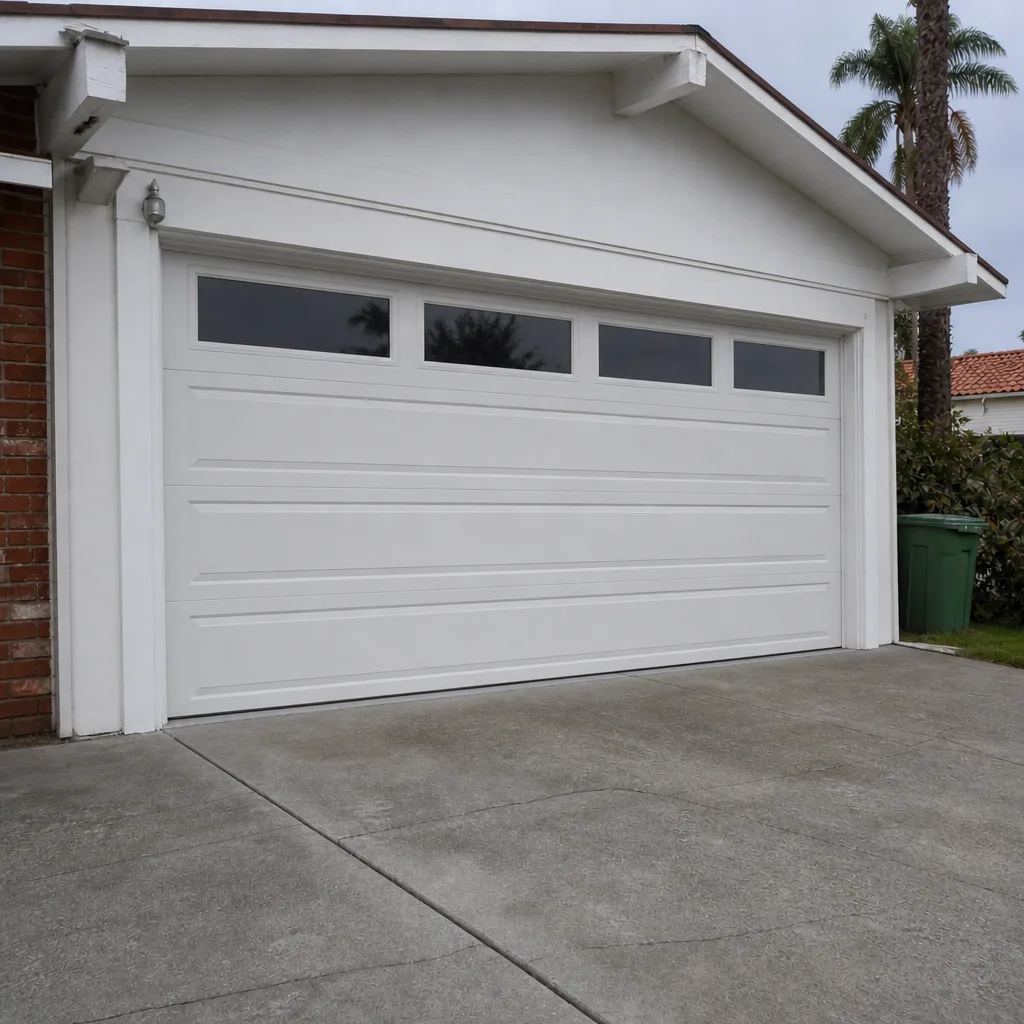
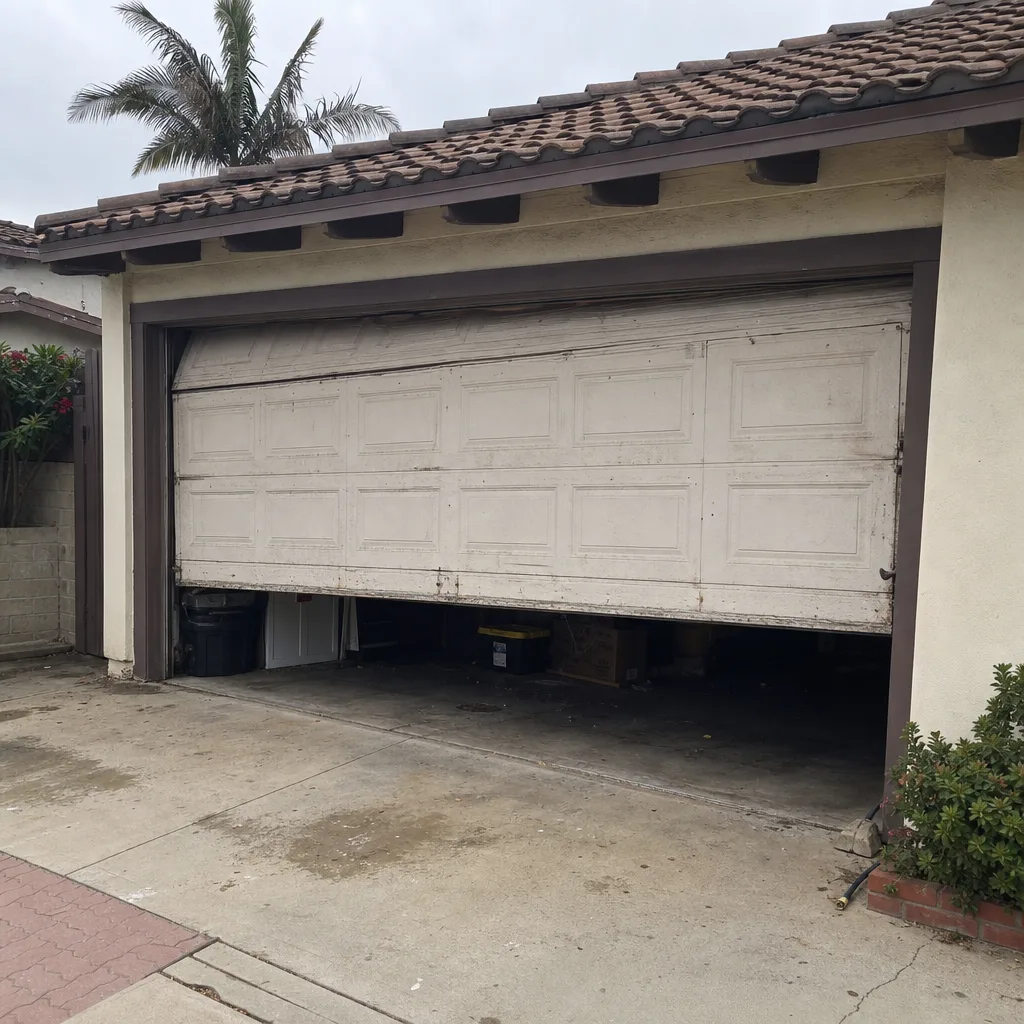
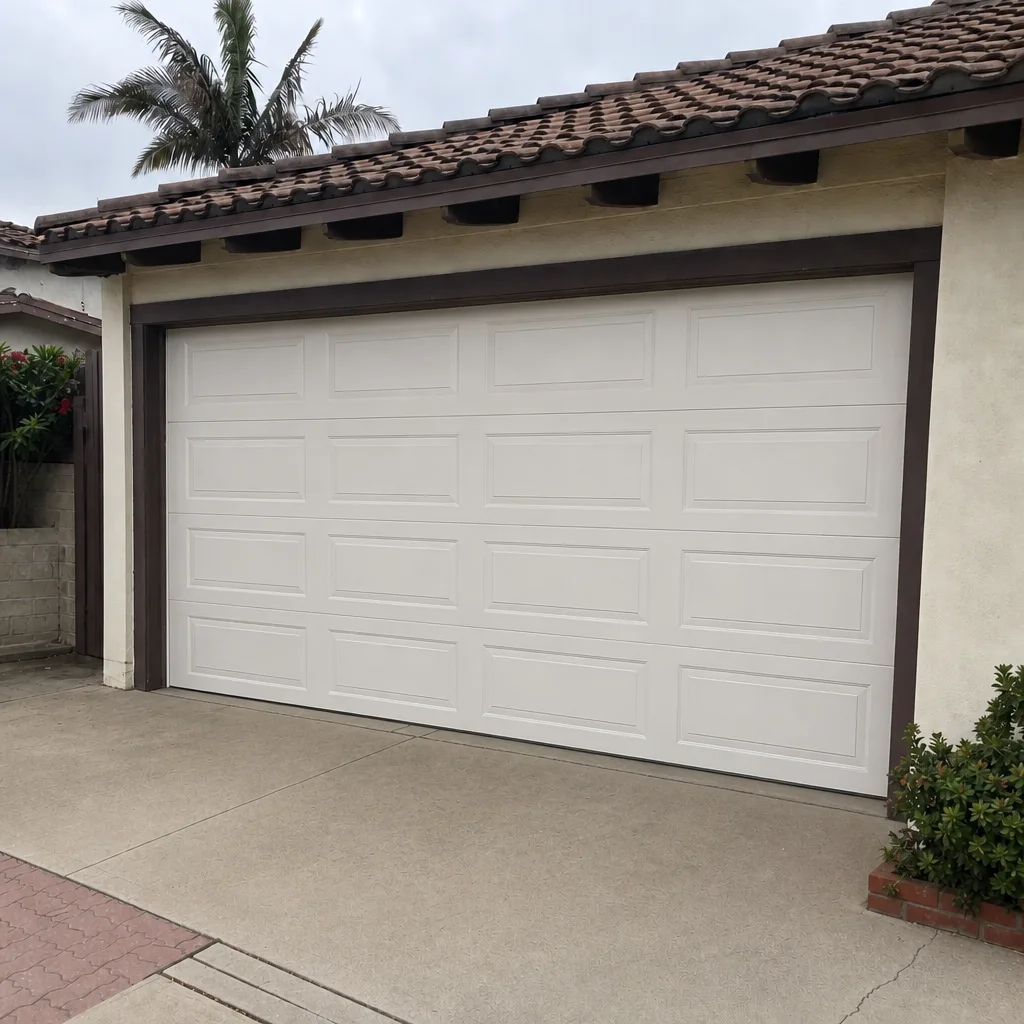
See the difference
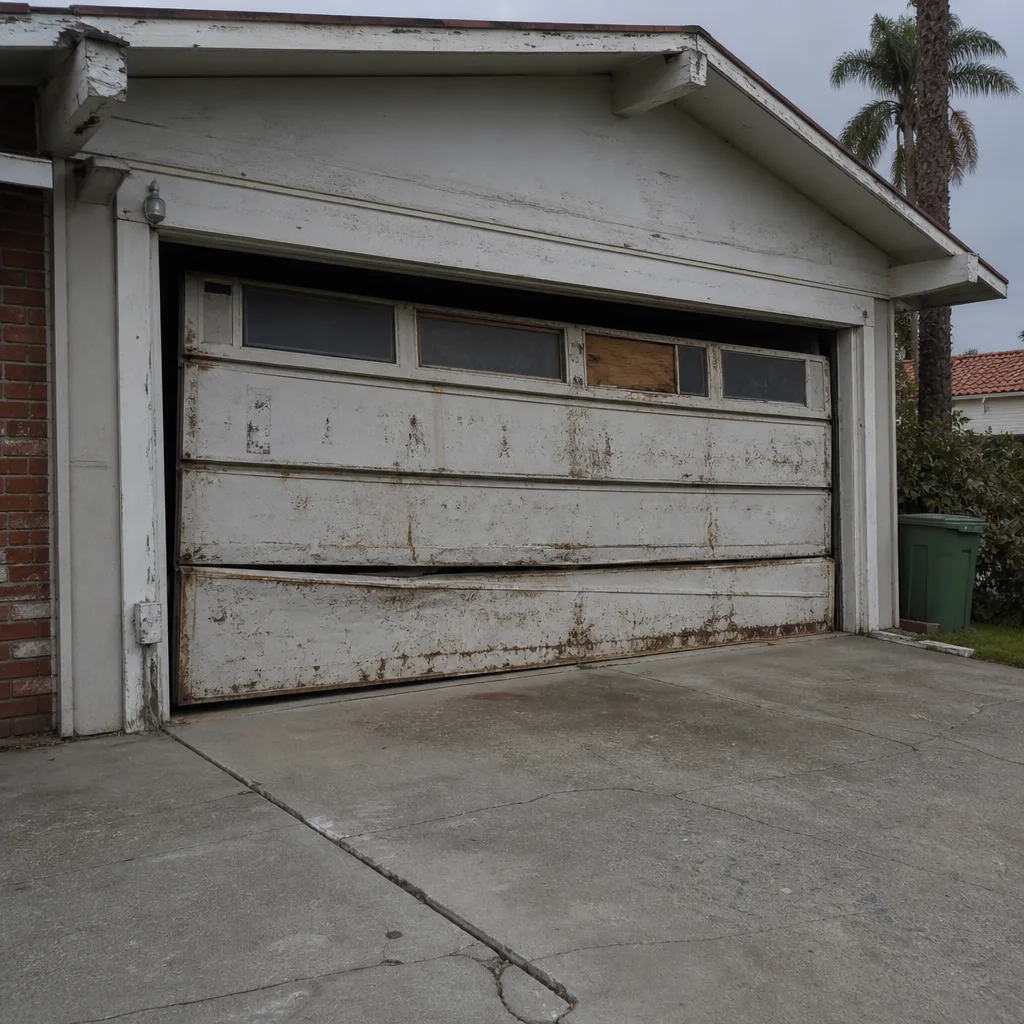 Before
 After
 Before
 After
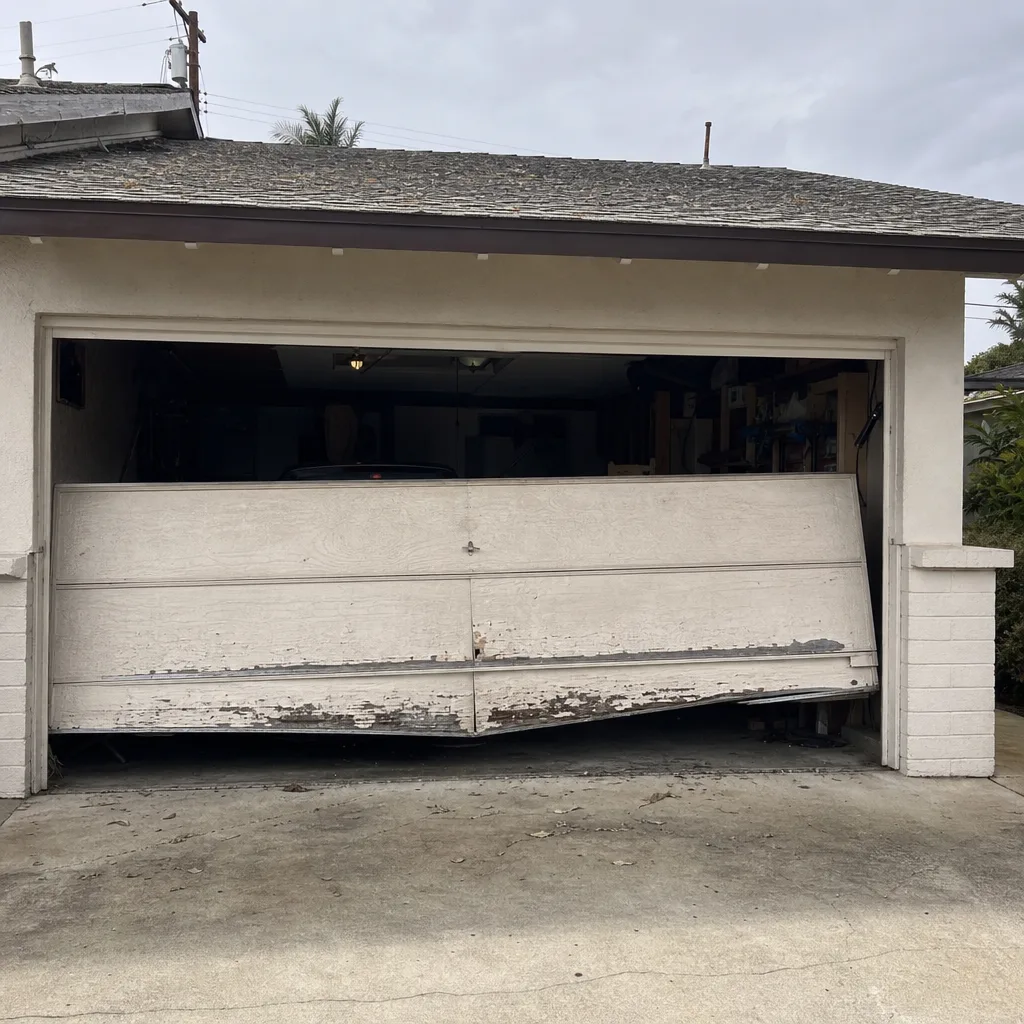 Before
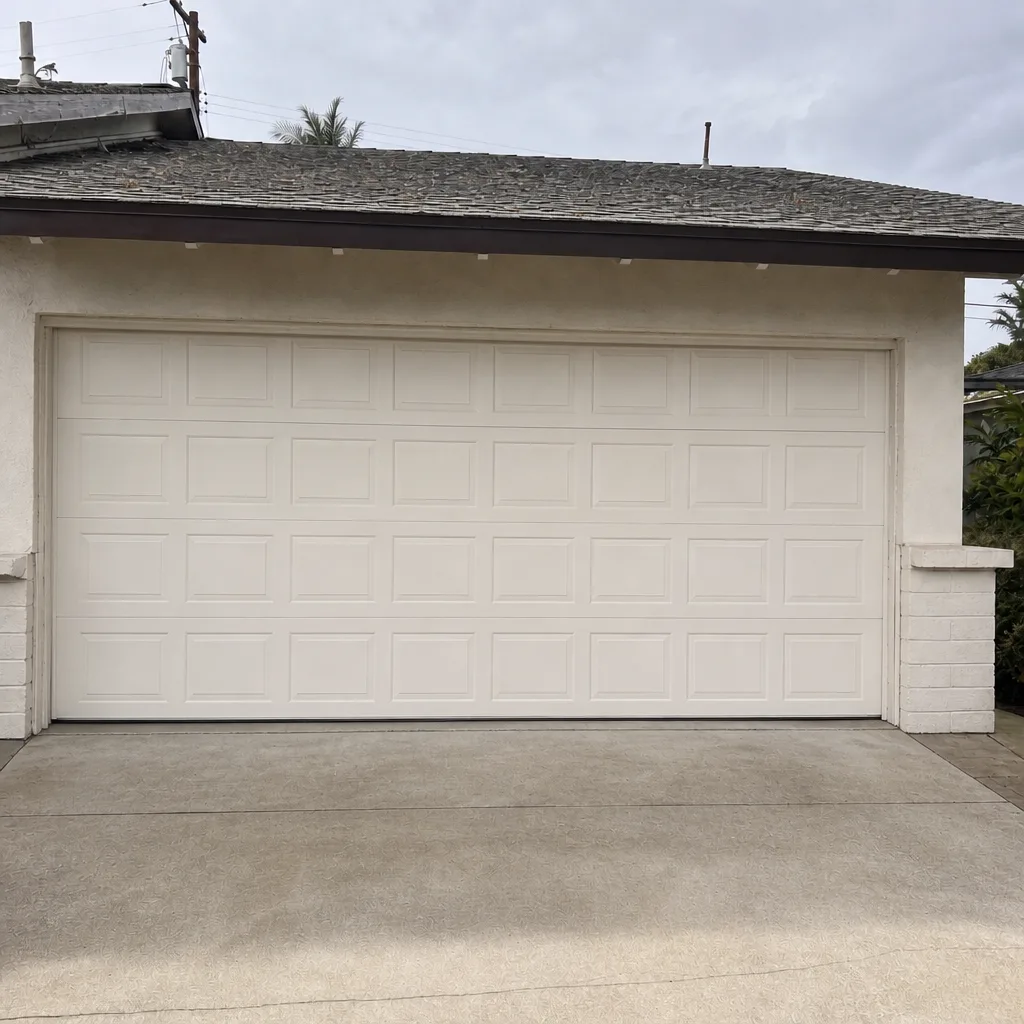 After