
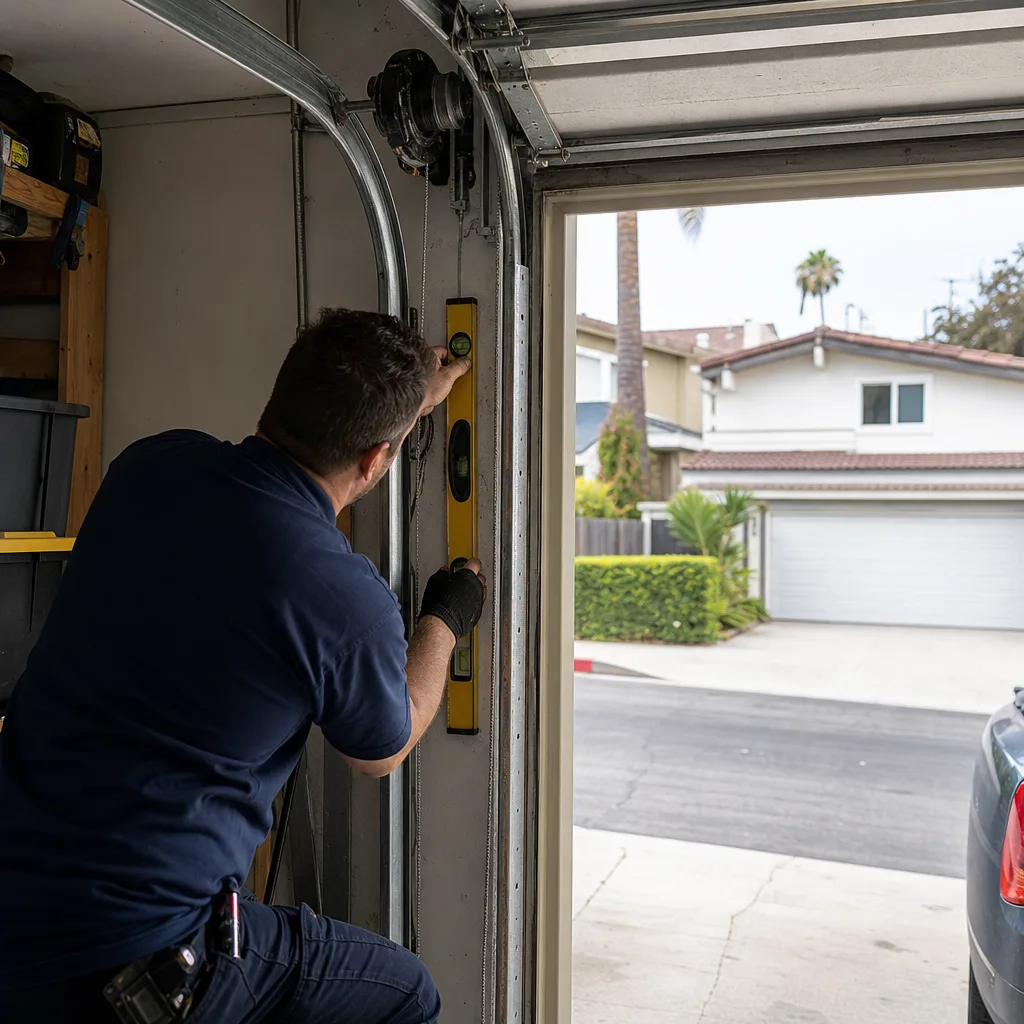
Last updated November 4, 2026
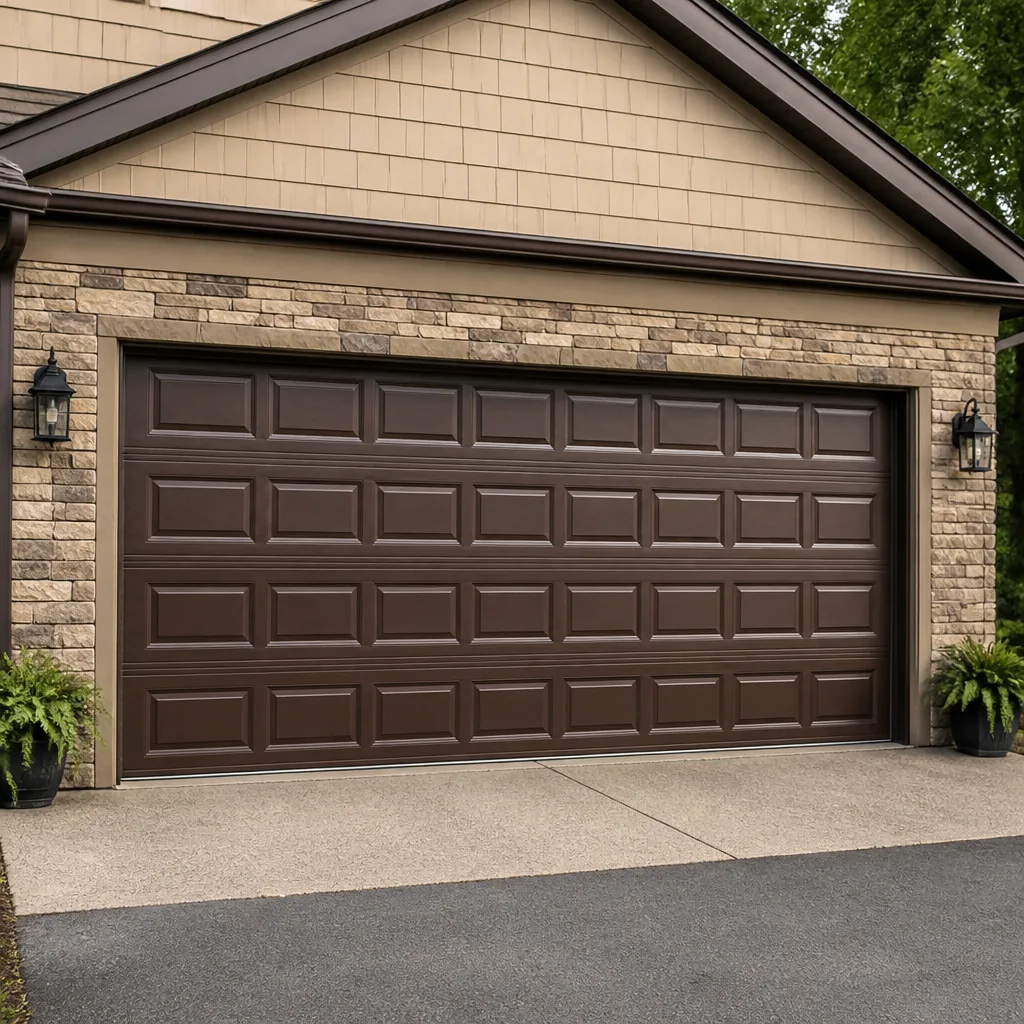 Raised-panel steel
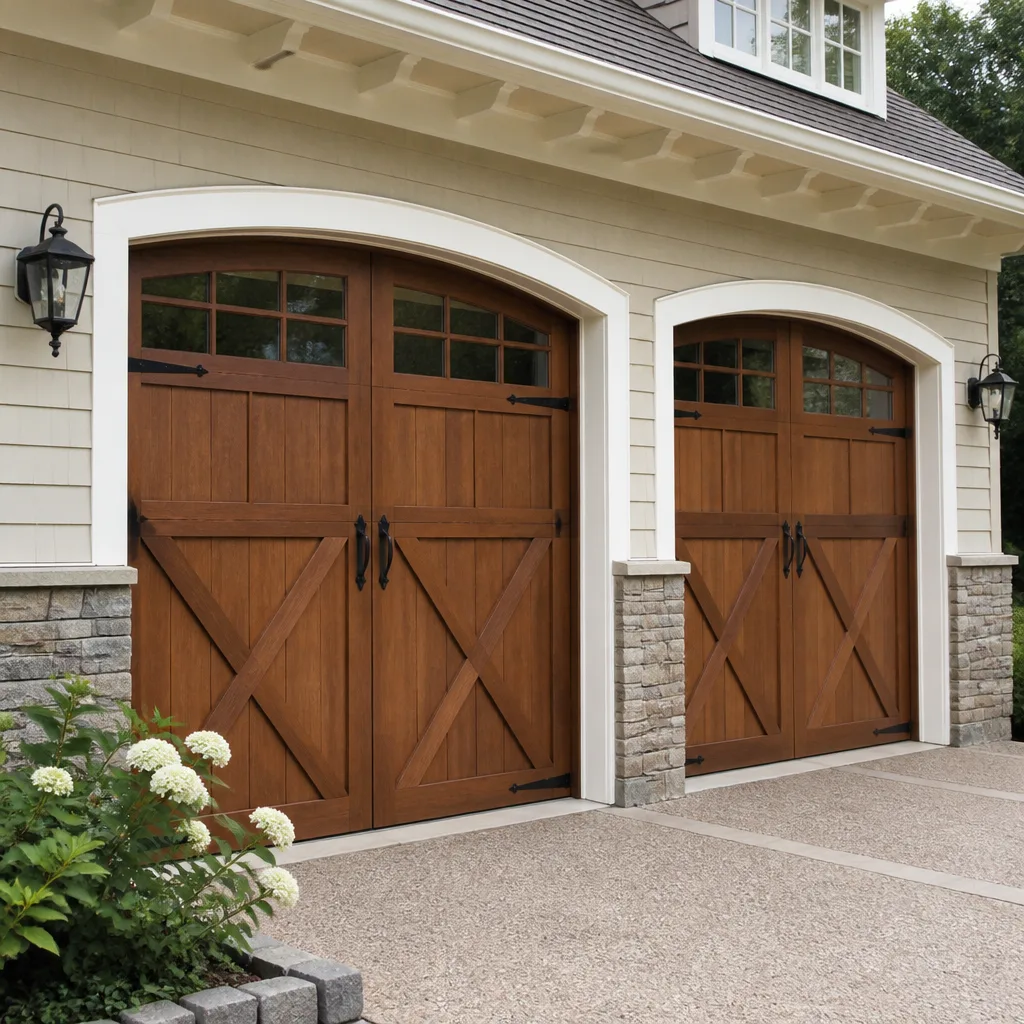 Carriage house
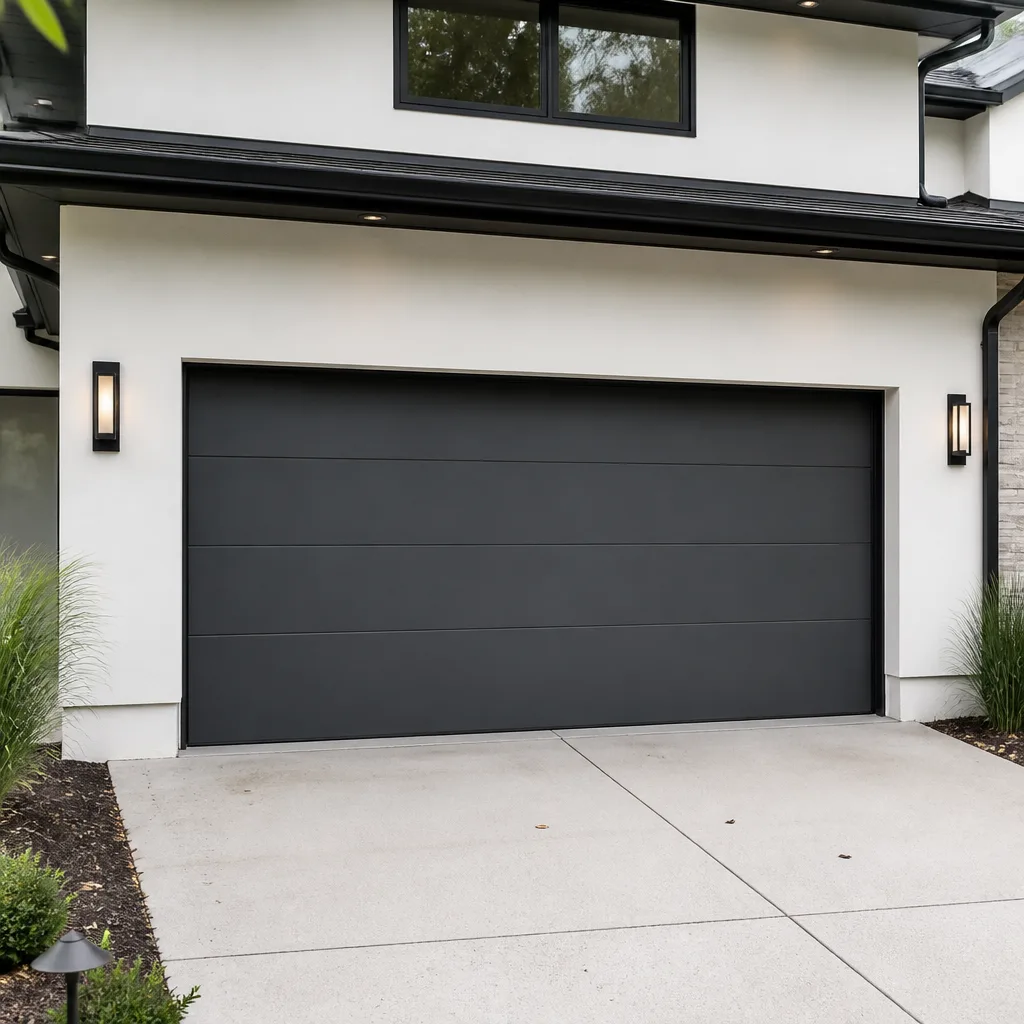 Modern flush
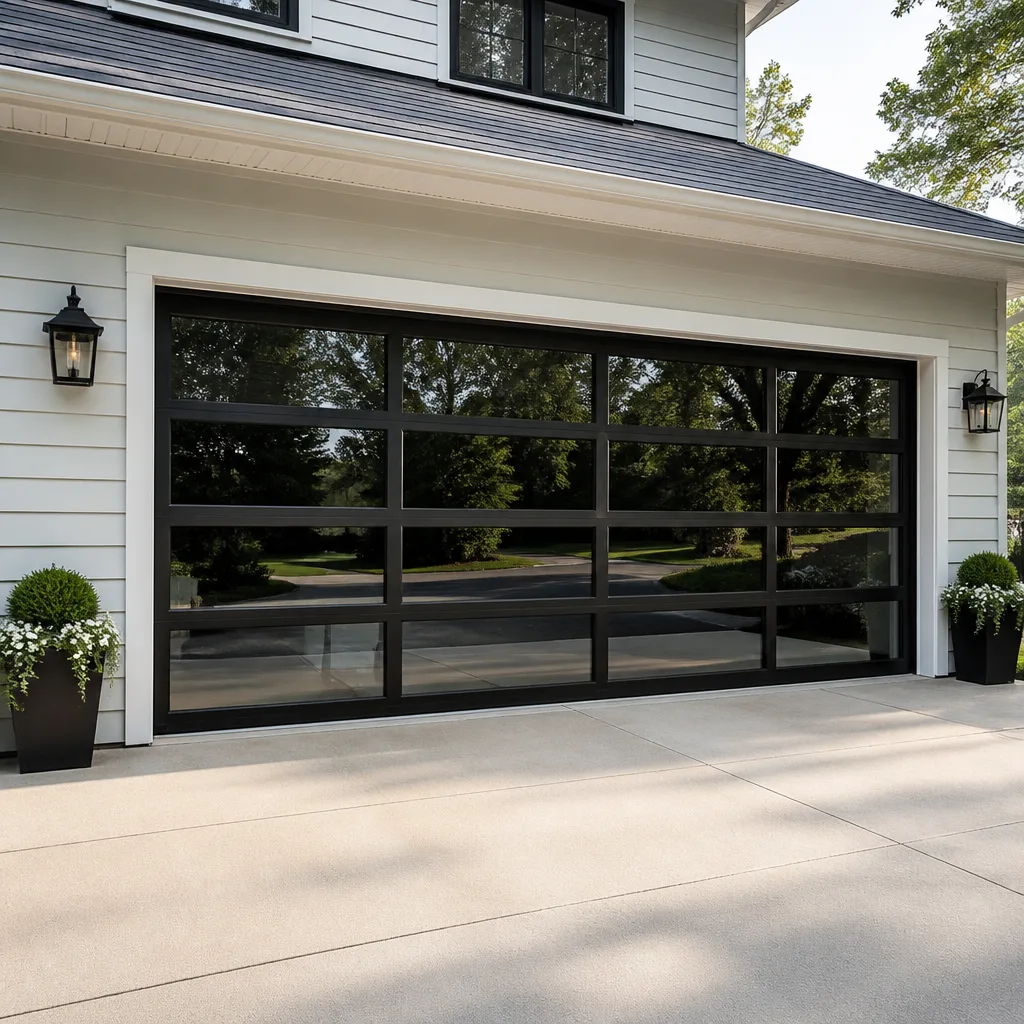 Full-view glass
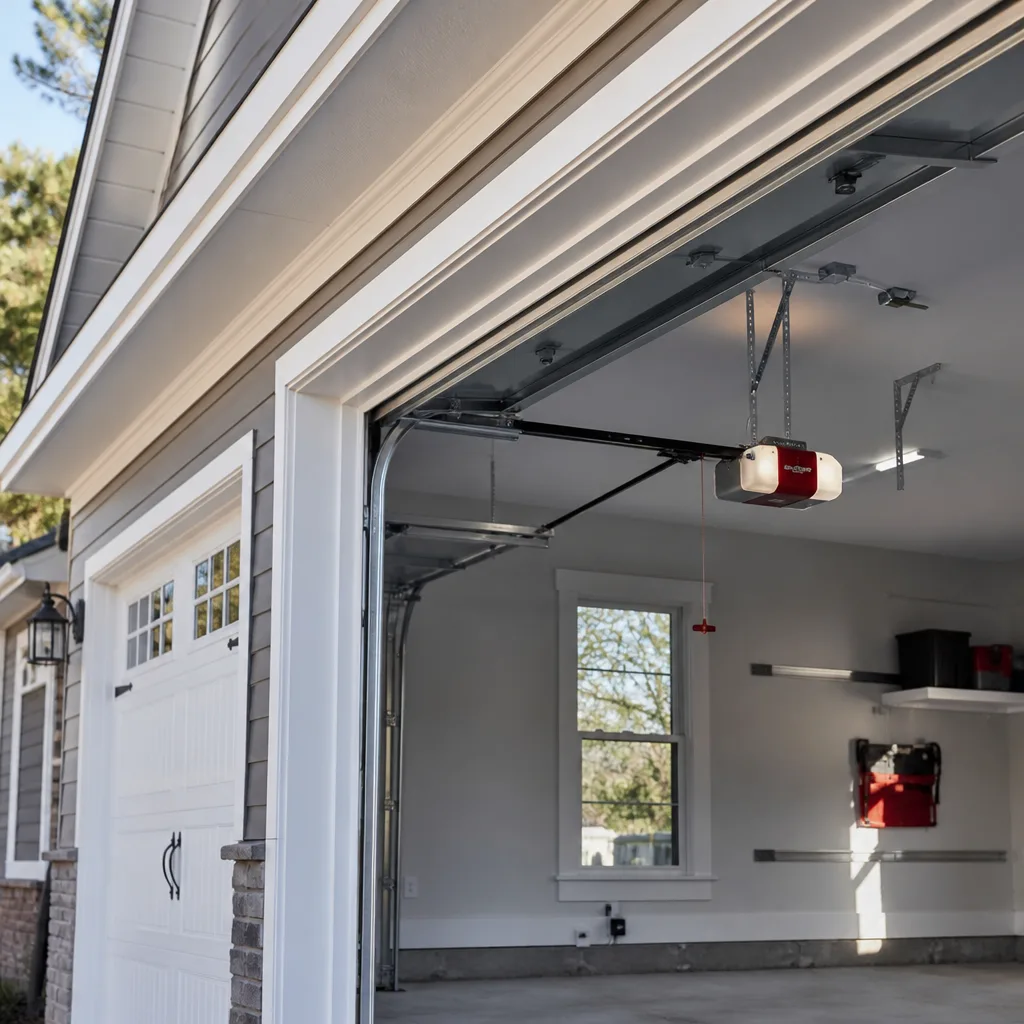 LiftMaster openers
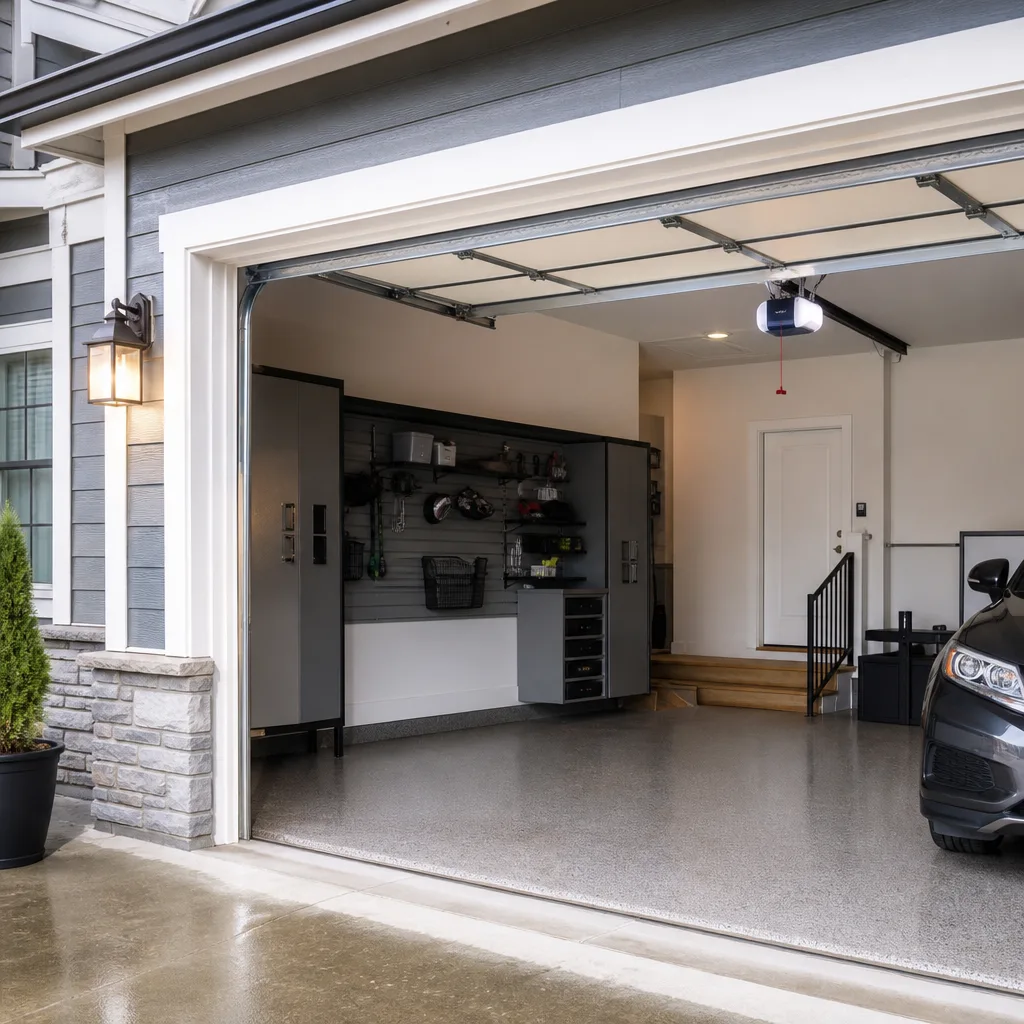 Chamberlain openers
Full 25-point door and opener safety check with every visit - springs, cables, rollers, tracks, and your LiftMaster or Chamberlain opener included
You get a price before we start. It does not change when the truck arrives.
Get your free estimateGarage Door Warning Signs: A San Clemente Homeowner’s Reference Guide
Most people treat a garage door the way they treat a water heater: they ignore it until the day it stops working. But a garage door talks. It groans on the way up, sags a half-inch on the left, hesitates before reversing. Each of those signals is data. The problem is that nobody teaches San Clemente homeowners how to read it. This guide changes that. We’ll walk through the sounds, movements, and visual cues that separate normal wear from a door that’s about to fail, and we’ll give you a simple triage system so you know whether to call today, schedule something this week, or just keep an eye on it.
Quick Answer
The most serious garage door warning signs in San Clemente are grinding or popping sounds from the spring area, a door that moves unevenly or hesitates halfway up, visible gaps between door sections, and rust streaks running from torsion springs or cables. Any one of these means the door is working harder than it should, and a spring or cable under excess load can fail without much additional warning. If you notice any of them, call a garage door specialist for an inspection before the door fails completely.
Styles & brands we work with
- Raised-panel steel
- Carriage house
- Modern flush
- Full-view glass
- LiftMaster openers
- Chamberlain openers
Table of Contents
- Symptom-to-Cause Reference Table
- What Different Garage Door Sounds Actually Mean
- Movement Problems: Slow, Uneven, or Reversing Doors
- Visual Signs You Should Never Ignore
- Salt Air and Surface Rust: The Coastal Warning Sign
- Is It the Opener or the Door? How to Tell
- When to Act Now, Schedule Soon, or Monitor
- Common Mistakes to Avoid
- When to Call a Professional
- Frequently Asked Questions
Symptom-to-Cause Reference Table
Here’s the reference most San Clemente homeowners need. Instead of guessing what a sound or movement means, match what you’re seeing to the likely cause. We’ve organized this from the most urgent to the least.
| Symptom | What It Usually Means | How Urgent |
|---|---|---|
| Loud pop or bang from above the door | Torsion spring just snapped | Act now. Door will not open safely. |
| Grinding noise when door moves | Worn rollers, dry bearings, or spring binding | Schedule soon. Friction is accelerating wear. |
| Popping sounds as door travels | Torsion spring coils shifting or cable snagging | Act now. This precedes spring failure. |
| Scraping or metal-on-metal sound | Misaligned track or bent hinge | Schedule soon. Track damage worsens with use. |
| Door moves slower than usual | Spring losing tension or opener motor straining | Schedule soon. The door is heavier than it should be. |
| Door rises unevenly, one side first | Broken cable, worn drum, or unbalanced spring | Act now. Cables under uneven load can snap. |
| Door reverses after touching the floor | Misaligned safety sensor or travel limit issue | Schedule soon. Sensor problems are usually quick fixes. |
| Visible gap between sections when closed | Worn hinges or section warping | Monitor, then schedule. Gap will widen over time. |
| Rust streaks running down from springs | Moisture has penetrated the spring steel | Act now. Rusted springs are close to failure. |
One pattern to notice: sounds and uneven movement are almost always more urgent than visual wear. A door that looks tired but moves smoothly has months of life left. A door that moves oddly but looks fine is often days from a failure.
What Different Garage Door Sounds Actually Mean
A garage door that runs quietly is a door in balance. When the sound changes, something changed first. Here are the sounds we tell San Clemente homeowners to listen for, and what each one means.
Grinding
Grinding is friction. It usually comes from rollers that have lost their bearings or a chain that’s running dry on a Craftsman or older Chamberlain opener. If the grinding is coming from the track area, the rollers are the likely culprit. If it’s coming from the motor housing, the opener’s drive mechanism needs attention. In either case, the friction is wearing down parts faster than normal, and the repair gets more expensive the longer it waits.
Popping
Popping is the sound of stored energy moving in short bursts. On a torsion spring system, it typically means the spring is binding against itself or shifting on the shaft. On a Wayne Dalton door with a TorqueMaster system, popping can indicate the internal spring is nearing the end of its service life. This is not a sound to monitor. Popping from the spring area is one of the most reliable predictors of a spring failure in the near future.
Scraping
Scraping is metal on metal where metal should not touch. It means something is out of alignment: a track that shifted, a hinge that bent, or a door section that’s rubbing the jamb. Scraping itself rarely causes a sudden failure, but it does mean the door is forcing itself through a path it shouldn’t be on. That forces every other component to compensate.
Squeaking
Squeaking is the least urgent sound on this list. It’s usually dry hinges or rollers that need lubrication. A silicone-based lubricant applied to the rollers and hinges twice a year resolves most squeaks. That said, if lubrication doesn’t quiet it down within a day, the squeak is probably a bearing going dry inside the roller itself, and that’s a replacement.
One caution about any of these sounds: do not put your face near the spring or cable area to locate the source. Torsion springs on a garage door repair call are under hundreds of pounds of tension. If a spring lets go while you’re close to it, the result is serious injury. Stand back, listen from a few feet away, and let a trained technician handle anything that requires getting near the spring assembly.
Movement Problems: Slow, Uneven, or Reversing Doors
Movement tells you more than sound. A door that’s fighting gravity, losing its balance, or confused about where the floor is has a specific problem. Here’s how to read it.
The Door Moves Slower Than It Used To
A properly balanced door should take roughly the same amount of time to open today as it did a year ago. If it’s noticeably slower, the opener motor is working harder. That usually means the spring has lost tension and is no longer doing its share of the lifting. The motor picks up the slack for a while, then burns out. Think of it this way: the opener was never designed to lift the full weight of the door. The spring does that. When the spring weakens, the opener bears the load, and openers fail under that kind of strain.
The Door Rises Unevenly
An uneven lift means one side of the door is carrying less weight than the other. The most common causes are a broken lift cable or a spring that’s lost tension on one side. This is an act-now situation. When one cable goes, the other side is suddenly carrying the entire load, and it usually snaps within a few more cycles. If your door is tilted in the opening and still moving, stop using it and call for service.
The Door Reverses Right After Touching the Floor
This one gets misdiagnosed all the time. A door that hits the floor and immediately reverses is usually not a sensor problem. It’s the opener’s travel limit setting telling the motor it hasn’t reached the close position yet. When the limit is set too far, the door presses into the floor, the opener reads the resistance as an obstruction, and it reverses. This is a quick adjustment for a technician and doesn’t require replacing anything.
The Door Starts to Close, Then Stops and Returns
That one usually is the safety sensor. The photo eyes at the bottom of the track get bumped, misaligned, or covered in dust. The opener reads the break in the beam as something in the door’s path and refuses to close. It’s a safety feature doing its job. The fix is often as simple as realigning the sensor or clearing debris. But if realigning doesn’t solve it, the sensor itself may be failing, and a garage door opener repair call can pinpoint the issue.
Visual Signs You Should Never Ignore
Some problems announce themselves before you ever press the button. A quick visual check once a month takes about sixty seconds and catches most serious issues before they become breakdowns.
Gaps Between Door Sections
When the door is closed, step outside and look at the seams between sections. Any visible light or a gap that’s wider at one end than the other means the hinges are wearing or a section is warping. Gaps let heat out in the summer and let dust and pests in year-round. They also indicate the door’s structural integrity is compromised. This is a monitor-then-schedule situation: note it, check it again in a month, and call if it’s widening.
A Sag in the Middle of a Horizontal Section
A visible bow or sag across the width of the door means the steel or wood section is losing its rigidity. On older Clopay or Amarr doors with insufficient internal bracing, this happens gradually over years of heat exposure. On any door, it’s a sign that replacement is approaching. A sagging section doesn’t fail suddenly, but it does throw the door out of balance and accelerates wear on the hinges and rollers at its edges.
Rust Streaks Running Down From the Spring or Cable
This is the one we most want San Clemente homeowners to understand. A rust streak is not surface rust. It means moisture has gotten inside the spring coil or cable strands and is corroding the steel from within. The rust running down is what’s leaching out as the metal degrades. A spring with visible rust streaks has lost a meaningful portion of its structural strength. It’s a replace-soon item, not a monitor item.
Frayed Cable Strands
Look at the lift cables that run up the sides of the door. On a healthy cable, the strands run straight and tight. On a failing cable, you’ll see individual strands separating, a few broken wires poking out, or the cable looking fuzzy in one spot. That fuzz is the cable unraveling under tension. When a cable lets go, the door drops or jars violently, and anything in its path is at risk.
Salt Air and Surface Rust: The Coastal Warning Sign
San Clemente’s salt air changes the math on garage door components in a way inland homeowners never deal with. Steel that would last fifteen years in Temecula might last eight years here, not because the brand is worse, but because the environment is harder on steel. We see this most often on torsion springs and cables.
The specific failure pattern in coastal air goes like this: salt and moisture work into the microscopic pores of the spring’s powder coating or oil finish. Rust forms underneath the coating where you can’t see it. The coating keeps its color for a while, then develops small blisters or flaking. By the time rust streaks appear, the corrosion has been eating the spring for months or years. The spring’s rated cycle life, the number of open-and-close operations it’s built to handle, gets cut short not by use but by chemistry.
What this means for San Clemente homeowners is practical: inspect your springs and cables more often than the national average, take surface rust seriously even when it looks minor, and choose spring and cable replacements rated for coastal environments when the time comes. A galvanized or stainless cable costs more than standard steel, but in this climate it’s the difference between a component that lasts and one that needs replacing again in a few years.
The same applies to door hardware: hinges, brackets, and roller stems. Stainless or heavy-gauge galvanized hardware resists the salt air far better than standard zinc-plated steel. If you’re replacing a door or doing a full hardware refresh, this is the single most important specification for San Clemente’s climate.
Is It the Opener or the Door? How to Tell
This is the most useful diagnostic skill a homeowner can develop, because it determines who you call and how much you’ll likely spend. An opener problem and a mechanical door problem masquerade as each other constantly.
Here’s the rule we use: the opener is the muscle, the door is the weight, and the spring is the helper. If the door works poorly but the opener is clearly running, the problem is usually the weight side, not the muscle.
- Disconnect the opener. Pull the red emergency release handle while the door is closed. This disconnects the door from the opener carriage.
- Lift the door by hand. A properly balanced door should lift smoothly with one hand, stay put halfway up, and close without slamming. If it’s heavy, uneven, or won’t stay open, the problem is the door or spring, not the opener.
- Listen to the opener run while disconnected. If the opener runs quietly and smoothly with no load, the motor and drive are probably fine.
- Reconnect and test. Once you’ve identified which side has the problem, pull the release again to re-engage the carriage, then run a full cycle.
If the door is heavy and the opener is also now struggling, the sequence usually went like this: the spring weakened, the door got heavy, the opener overworked itself trying to compensate, and now both need attention. Genie and LiftMaster openers both have thermal overload protection that shuts the motor off when it’s working too hard. That shutoff is not a defect. It’s the opener telling you the door is too heavy.
In our experience, most “opener failures” in San Clemente are actually spring failures that took the opener down with them. The opener gets blamed because it’s the part that makes noise. The spring fails silently.
When to Act Now, Schedule Soon, or Monitor
Here’s the decision framework we give homeowners. It’s intentionally simple: three buckets, clear criteria, no guesswork.
Act Now: Stop Using the Door and Call Today
- Loud pop or bang from the spring area, followed by the door not moving
- Door rises unevenly or sits tilted in the opening
- Frayed or broken lift cable visible on either side
- Rust streaks running from torsion springs or cables
- Popping sounds from the spring area during travel
- Door falls faster than normal when closing, even if it catches itself
These are the warning signs that precede sudden, complete failure. A door in this condition can fail on the next cycle, and a door that fails under tension can damage the track, the opener, the vehicle in the driveway, or a person standing underneath it.
Schedule Soon: Call This Week, Keep Using the Door Gently
- Grinding or scraping sounds that don’t resolve with lubrication
- Door moving noticeably slower than it used to
- Gaps between sections that are widening month to month
- Opener reversing intermittently when closing
- A sag visible in the middle of a horizontal section
None of these will fail tomorrow, but each represents a component working outside its design parameters. That accelerated wear compounds. A $200 roller replacement deferred becomes an $800 track and cable job later. Scheduling soon is almost always the cheaper path.
Monitor: Check Again in a Month, Schedule if It Worsens
- Squeaking that goes away after lubrication
- Small gaps between sections that aren’t widening
- A door that’s slightly slower on cold mornings but fine the rest of the day
- Minor surface rust on hardware that’s not on the springs or cables
These are normal wear items. A garage door has moving parts, and moving parts wear. Monitoring means you check it once a month and act when the condition changes. The distinction between monitoring and ignoring is the difference between a $150 repair and a $1,200 replacement.
Common Mistakes to Avoid
- Lubricating rusted springs. Lubricant does not reverse corrosion. If a spring has visible rust, oiling it is cosmetic. The structural damage is inside the steel. Replace the spring.
- Adjusting spring tension yourself. Torsion springs carry hundreds of pounds of stored force. The winding bars, the technique, the count of turns all matter, and a mistake during winding is the most dangerous thing a homeowner can do with a garage door. This is the one job where we never give DIY instructions.
- Bypassing the safety sensors. Taping the photo eyes together or re-pointing them at each other defeats the only thing that stops the door from closing on a child, a pet, or a vehicle. If the sensors are acting up, fix the alignment or replace the sensor. Never defeat the safety system.
- Ignoring a door that’s slightly heavy by hand. When you disconnect the opener and the door doesn’t balance, that’s the clearest spring diagnosis you’ll ever get. A heavy door means a failing spring. Every cycle you run after that is borrowed time.
- Replacing the opener when the door is the problem. A new LiftMaster or Genie opener installed on a door with a weak spring will fail the same way the old one did. The opener doesn’t fix the weight problem. Fix the door first.
- Waiting until the door doesn’t open at all. By the time a door fails completely, the failure usually involves multiple components: the spring snapped, the cable whipped, the track bent on the way down. Total failures cost more than caught-early repairs. This is the most expensive mistake on this list.
When to Call a Professional
Call a garage door specialist when you see any of the act-now signs, when the door is heavy by hand, when you hear popping from the spring area, or when you’ve tried basic fixes like lubrication and sensor realignment without improvement. Also call if you’re not sure. A door you’re uncertain about is a door that hasn’t been looked at by someone who sees garage doors every day. Trained eyes catch things in sixty seconds that a checklist misses. Aspen Garage Door Service offers free estimates in San Clemente. Call (866) 321-6293 and we’ll tell you what’s wrong and what it costs to fix. We answer 24/7. Fast dispatch from 7am to 7pm, Sunday through Friday.
Frequently Asked Questions
A failing spring shows itself through popping sounds during travel, a door that’s heavy when you lift it by hand, visible gaps in the spring coil, or rust streaks running down from the spring. Any one of these means the spring is near the end of its service life and should be replaced before it snaps. Call (866) 321-6293 for an inspection, estimates are free.
A grinding door is safe to use for a short time, but the friction causing the grind is accelerating wear on the rollers, hinges, or drive mechanism. If lubrication doesn’t resolve it within a day, schedule a repair. Continuing to run a grinding door turns a simple roller replacement into a track or cable repair.
That’s usually the opener’s travel limit setting, not the safety sensor. The opener thinks the floor is higher than it actually is, so it presses the door into the ground, reads the resistance as an obstruction, and reverses. A technician can adjust the limit in minutes.
Most springs are rated for 10,000 cycles, which works out to roughly eight to ten years of normal use in a residential setting. But San Clemente’s salt air can shorten that lifespan through corrosion, especially if the springs weren’t rated for coastal environments. Inspect springs twice a year and replace them when rust streaks or popping appear, not on a calendar schedule.
We don’t recommend it. Cables run under the same tension as the springs, and removing or installing one requires releasing and re-tensioning that load. The risk of a cable whipping free under tension is serious, and a cable installed with one wrong wrap count leaves the door unbalanced. This is a job for a trained technician.
Caught early, most issues fall into the range of a $150 to $350 repair: rollers, hinges, sensor realignment, or a single spring replacement. Let the same issue compound and the repair typically lands between $600 and $1,500, because the failure usually takes out adjacent components on its way down. The earlier you call, the less the job costs. Call (866) 321-6293 for a free estimate, the price is agreed before any work starts.
The Bottom Line
A garage door doesn’t fail suddenly. It fails after weeks or months of signals that most people don’t know how to read. The sounds, the uneven movement, the rust streaks, the heavy-by-hand test, each one is a diagnostic clue that points to a specific problem with a specific fix. San Clemente’s salt air makes two of those signals especially important: rust on springs and cables means corrosion inside the steel, and in a coastal climate that corrosion moves faster than in inland areas. Learn to read your door, check it monthly, and call a specialist when the signs point to trouble. The door is the heaviest moving object in your home, and a little attention now prevents an emergency later.
Written by the team at Aspen Garage Door Service, serving San Clemente since 2012.
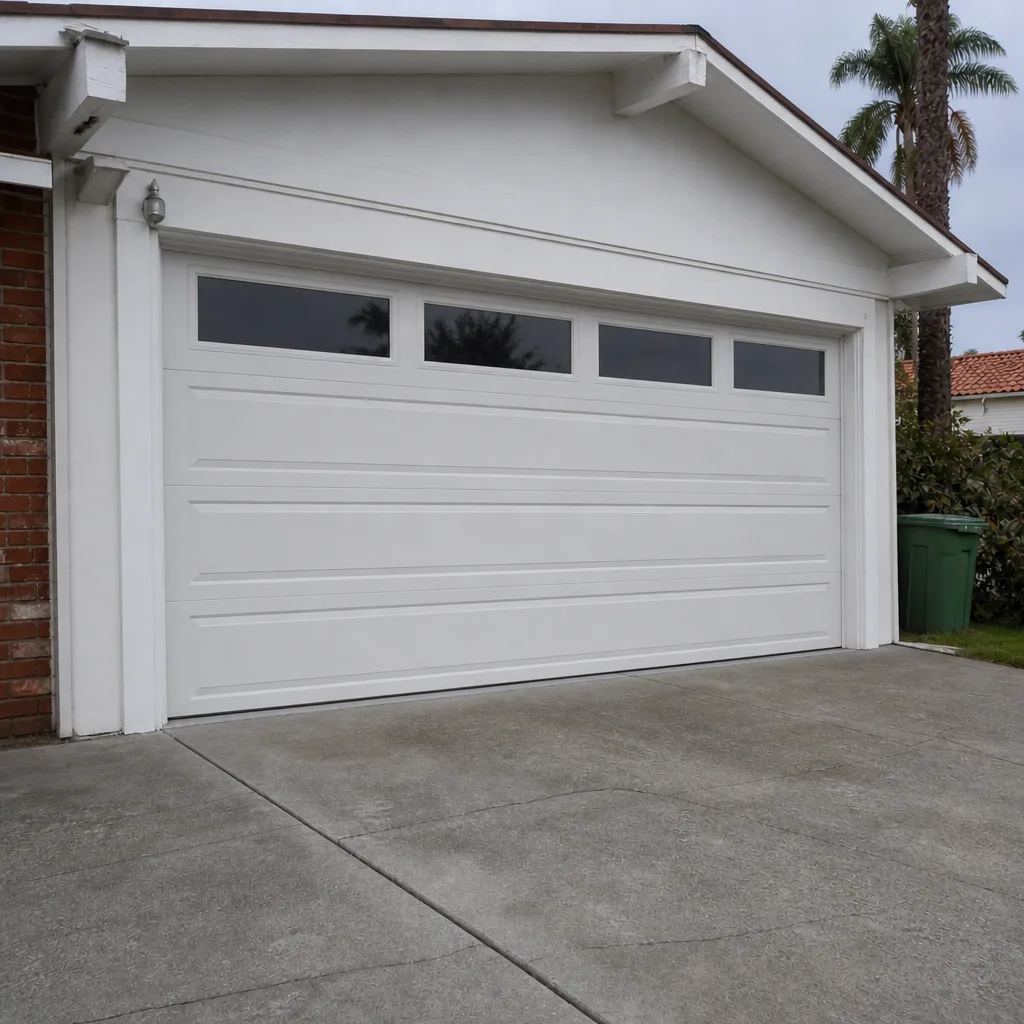
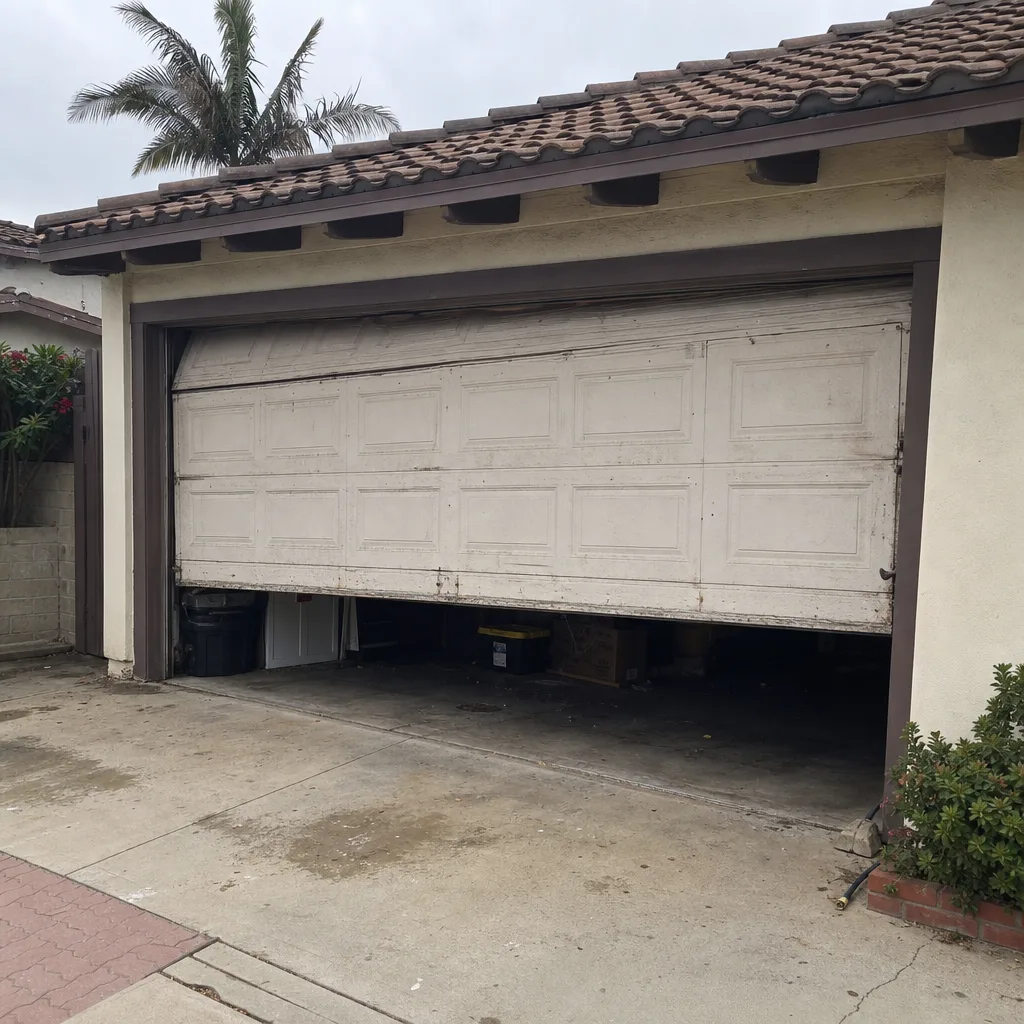
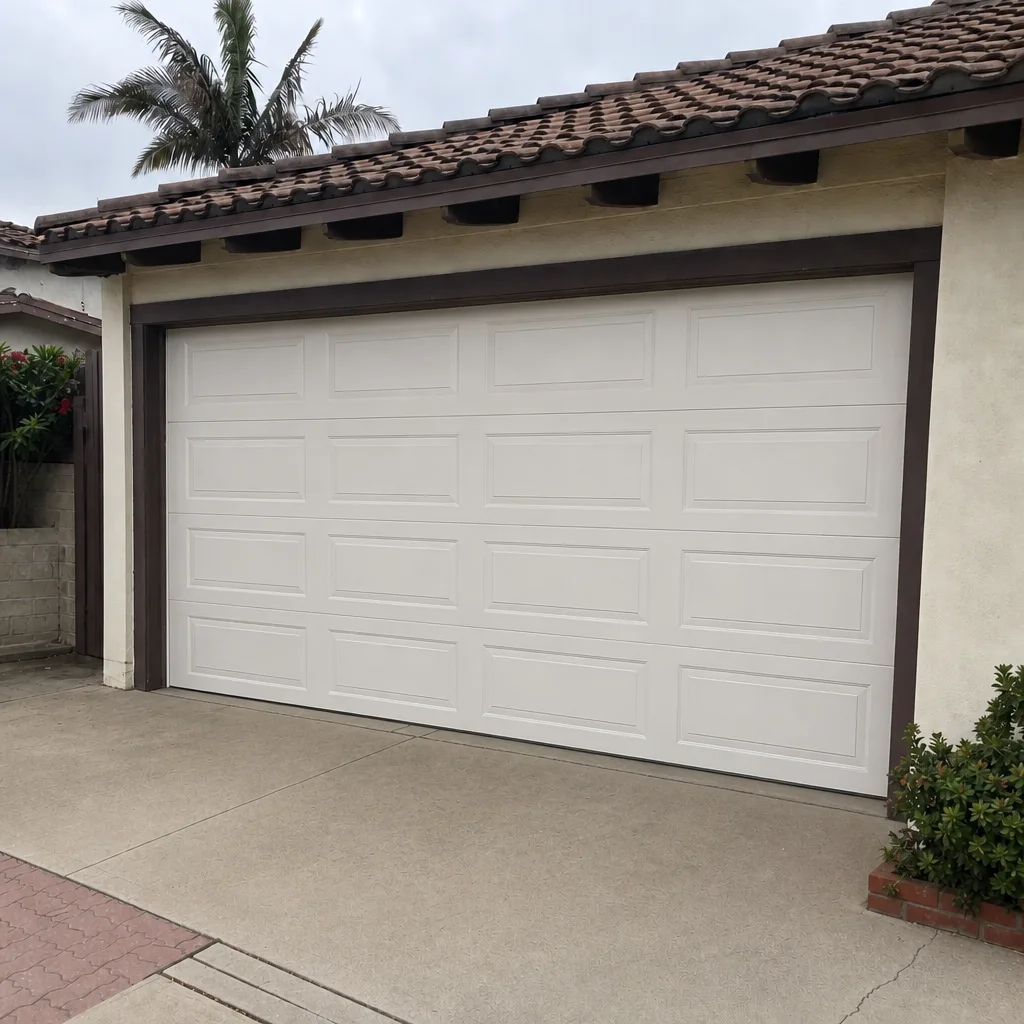
See the difference
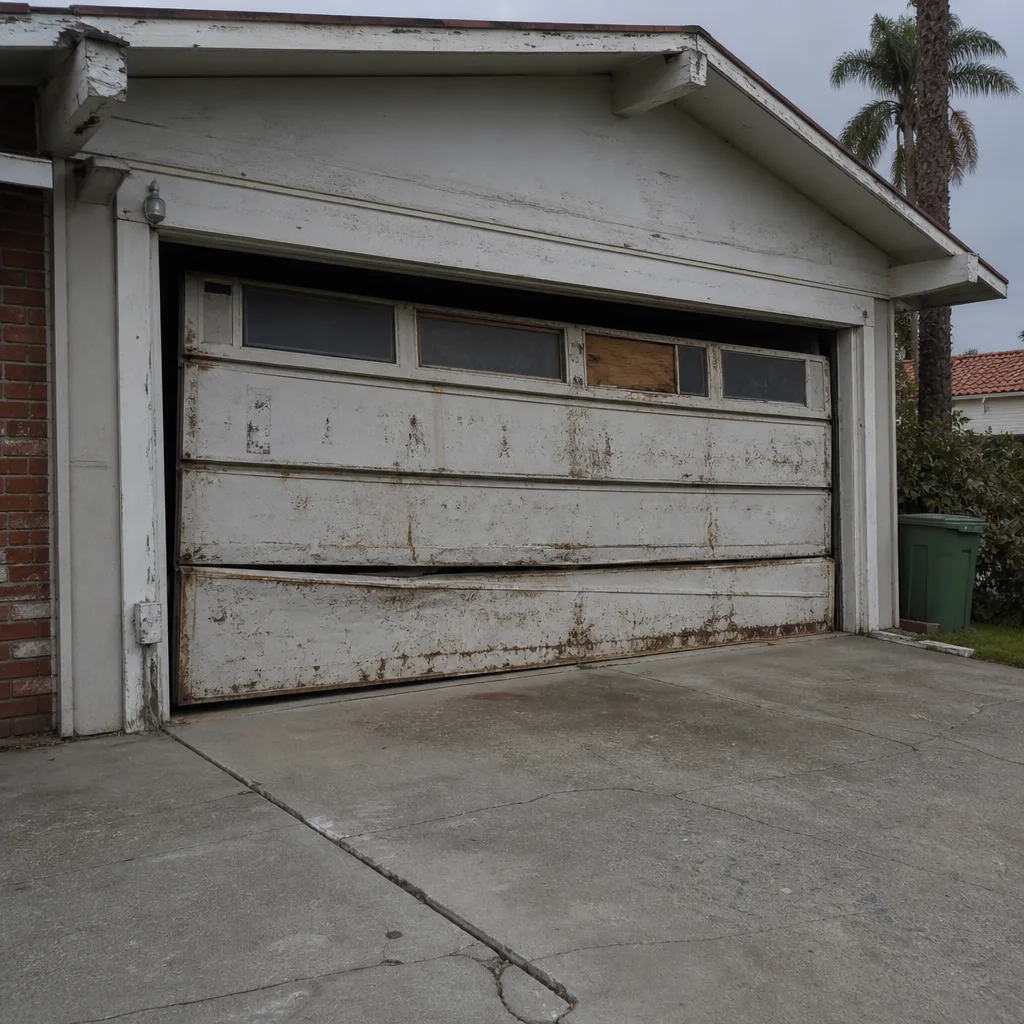 Before
 After
 Before
 After
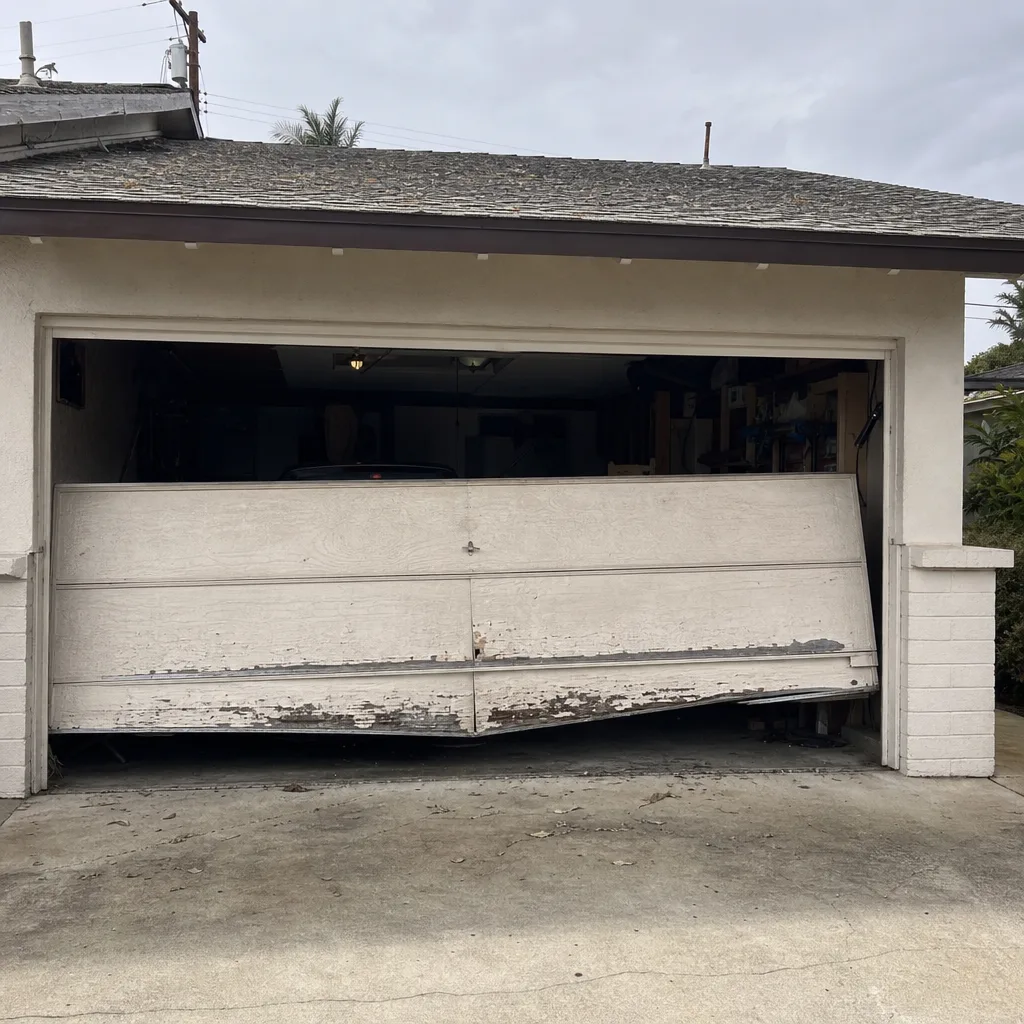 Before
 After