
Last updated November 4, 2026
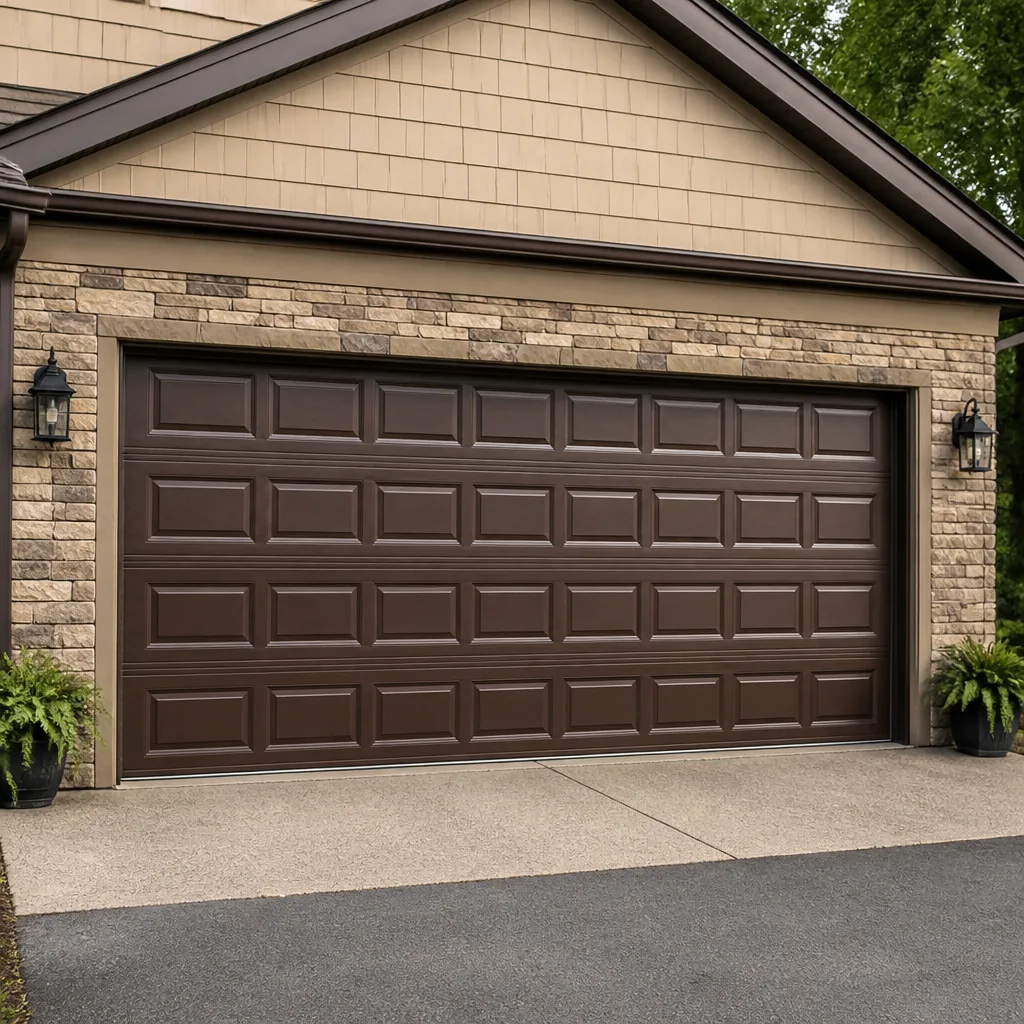 Raised-panel steel
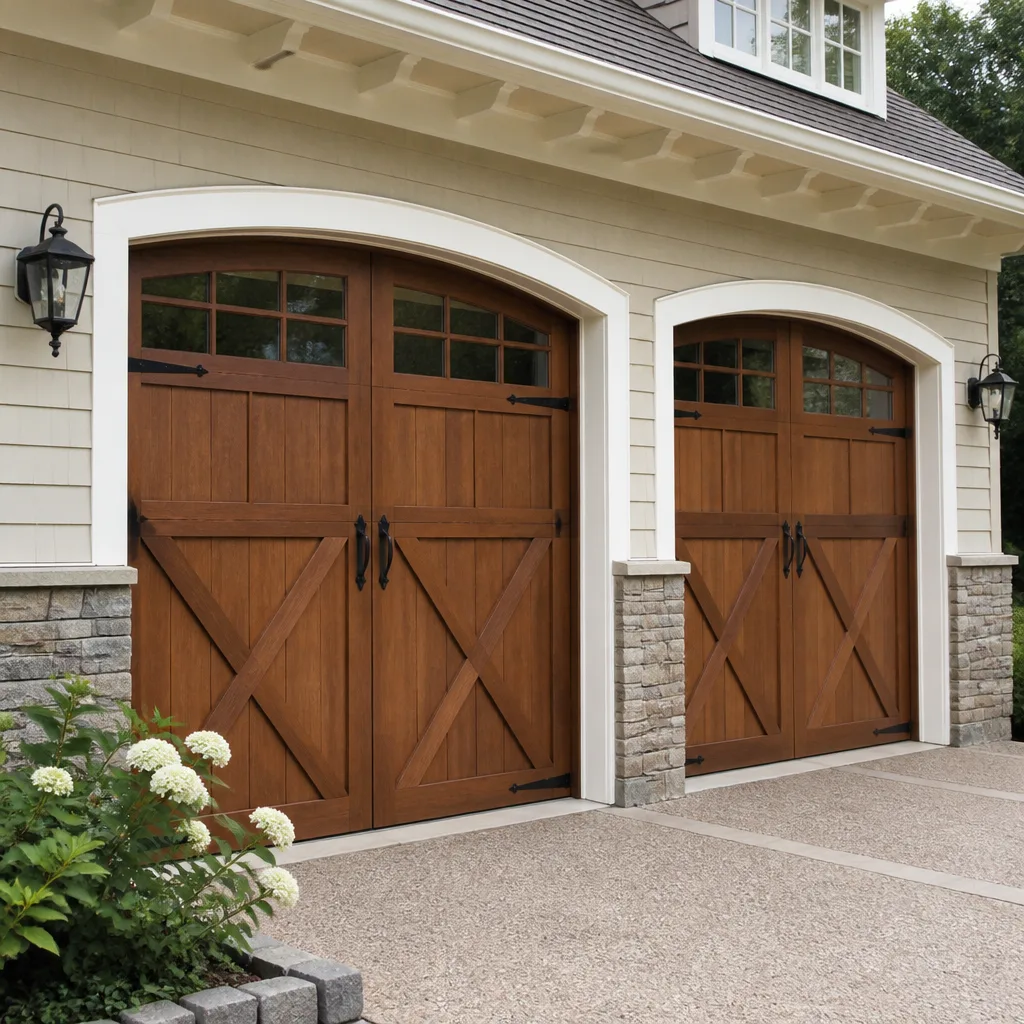 Carriage house
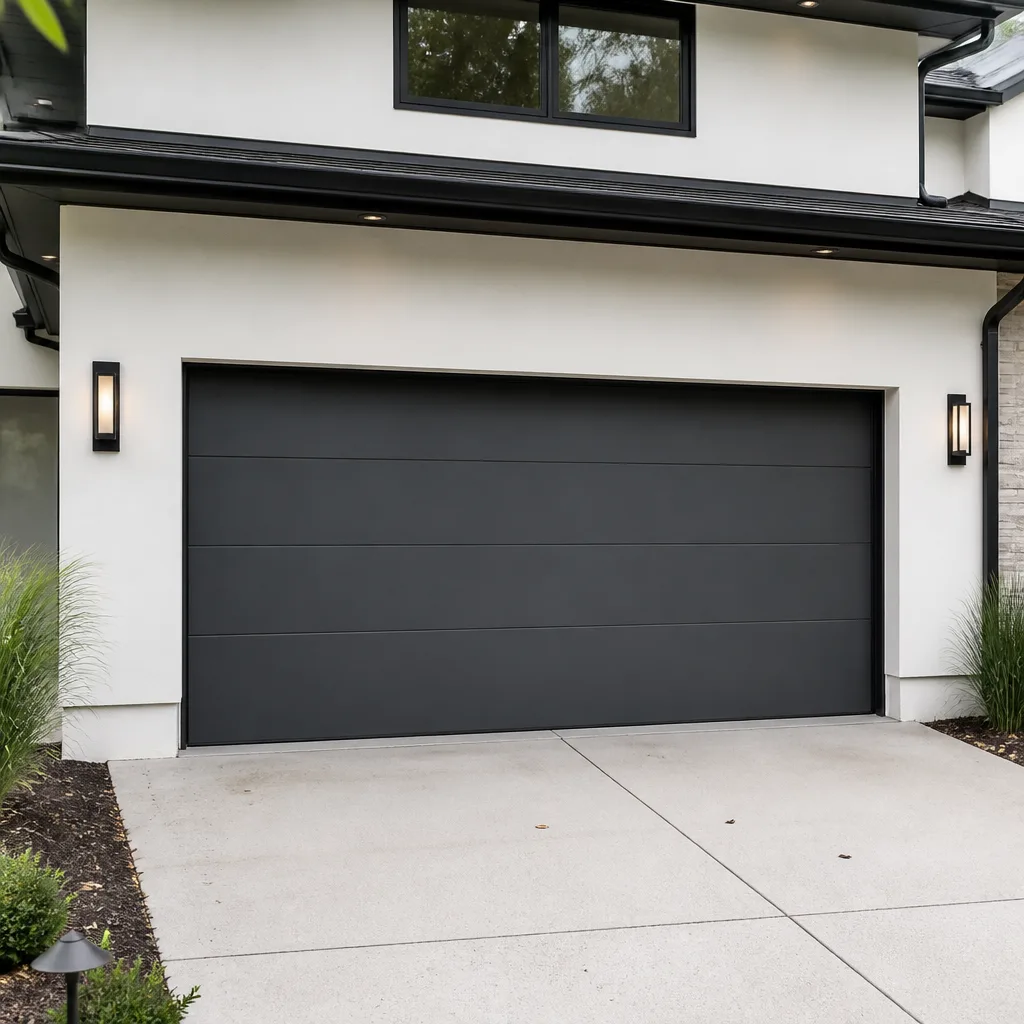 Modern flush
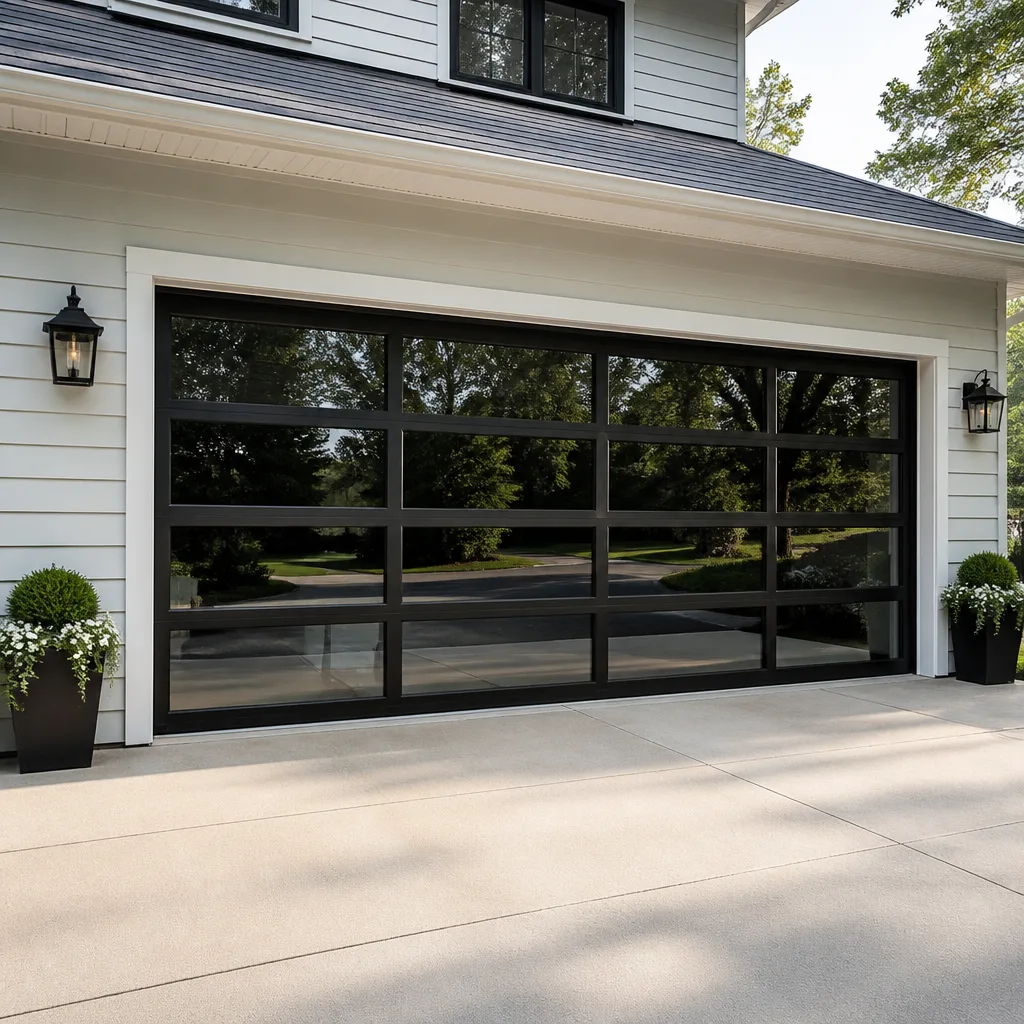 Full-view glass
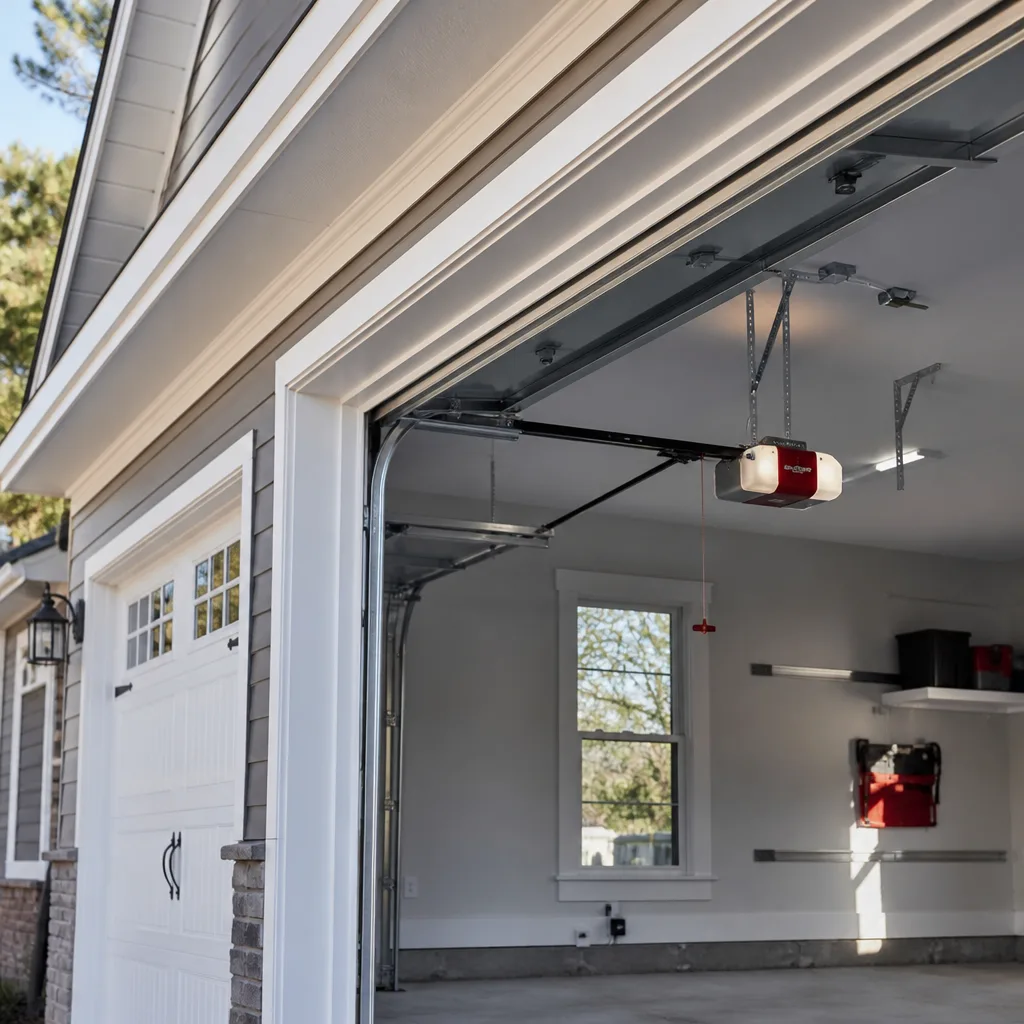 LiftMaster openers
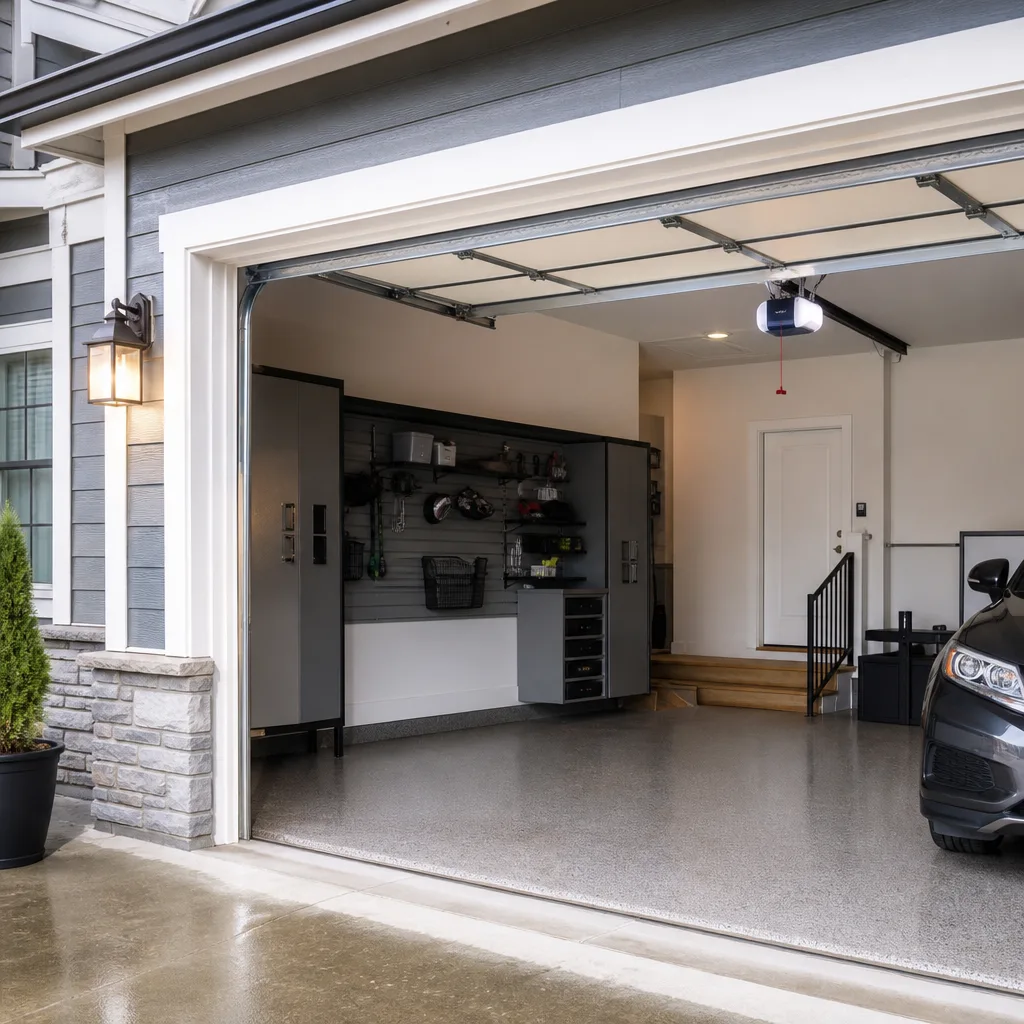 Chamberlain openers
Full 25-point door and opener safety check with every visit - springs, cables, rollers, tracks, and your LiftMaster or Chamberlain opener included
You get a price before we start. It does not change when the truck arrives.
Get your free estimateSeasonal Garage Door Care for San Clemente: Year-Round Homeowner’s Guide
Most San Clemente homeowners assume a mild climate means garage door maintenance is optional. We hear it often: no snow, no freeze, no problem. But the truth is the marine layer works on your door’s moving parts all year, just slowly and quietly. The humidity cycle from May through July, the dry Santa Ana winds in fall, and the intermittent winter rain each put a different kind of stress on springs, rollers, tracks, and seals. This guide lays out a seasonal maintenance rhythm matched to San Clemente’s actual weather patterns, so you spend less time reacting to breakdowns and more time knowing your door will open when you need it.
Styles & brands we work with
- Raised-panel steel
- Carriage house
- Modern flush
- Full-view glass
- LiftMaster openers
- Chamberlain openers
Quick Answer
Seasonal garage door care in San Clemente means tracking three distinct weather patterns: the late-spring marine layer humidity, autumn Santa Ana winds, and winter Pacific rain. The practical tasks are simple: inspect and clean the bottom seal and weatherstripping before June, check tracks and panels after each high-wind event from September through November, and verify threshold drainage and seal contact after the first rains. A two-page written log, updated four times a year, turns this into a 20-minute routine that catches small problems before they become garage door repair calls.
Table of Contents
- Why San Clemente’s Climate Demands a Different Maintenance Schedule
- Spring (May – June): Preparing for Marine Layer Humidity
- Summer – Fall: Santa Ana Wind Season and What It Does to Your Door
- Winter: Pacific Rain, Bottom Seals, and Threshold Drainage
- Year-Round Corrosion Inspection: Ocean-Proximity vs. Canyon Homes
- Building a Two-Page Annual Maintenance Log
- Common Mistakes to Avoid
- When to Call a Professional
- Frequently Asked Questions
- The Bottom Line
Why San Clemente’s Climate Demands a Different Maintenance Schedule
San Clemente sits in a narrow coastal band where the Pacific moderates temperature but amplifies moisture. The air here holds more water vapor than inland Orange County cities like Mission Viejo or Rancho Santa Margarita for much of the year. That humidity settles on every exposed metal surface of your garage door system: torsion springs, extension springs, cables, hinges, roller stems, and track brackets. The result is slow oxidation that doesn’t look dramatic at first. A spring doesn’t rust through in a season. But over three to five years, that surface corrosion changes how the spring behaves under tension. It binds, snaps, or loses its temper. We’ve replaced springs in San Clemente that looked fine from across the garage but crumbled when removed. The climate here rewards the homeowner who checks these parts on a schedule, because the damage accumulates invisibly.
Most generic garage door maintenance guides are written for climates with obvious seasonal extremes. They emphasize freeze-thaw and snow load. That advice is irrelevant here. What matters in San Clemente is humidity timing and wind patterns. The marine layer is thickest from late May through early July. Santa Ana winds typically arrive September through November, occasionally extending into December. Winter rain comes in intermittent fronts between December and March. Understanding this sequence lets you match the right task to the right month, which is the entire point of a seasonal maintenance plan.
Spring (May – June): Preparing for Marine Layer Humidity
The single most important spring task in San Clemente is the bottom seal replacement. Here’s the direct answer: before June’s heavy marine layer arrives, every homeowner in San Clemente should check the rubber strip along the bottom of the garage door for cracks, flattening, or gaps. If you can see daylight under a closed door, that seal has failed, and the solution is a new seal, not a new door.
- Inspect the bottom seal in early May. Close the door from inside on a bright day. Look for light penetrating under the door. Walk the full width. A healthy seal sits flat and even against the slab. A worn seal curls, splits, or leaves a visible gap at the ends.
- Check the weatherstripping on the sides and top. Run your hand along the vinyl stops on the door jamb. They should feel pliable, not brittle. Cracks wider than a fingernail let humid air in, which accelerates corrosion on everything inside the garage.
- Clean and lightly lubricate rollers and hinges. Wipe down metal roller stems with a dry rag first. Then apply a small amount of garage door lubricant to the roller bearings and hinge pins. Do not lubricate the track. The track needs to stay clean and dry, not slick.
- Wipe down torsion springs. A dry cloth removes surface dust and lets you see the actual condition of the spring. Spray-on rust converters or lubricants on springs are not a substitute for inspection. If the spring shows visible rust pitting or a gap in the coil, call for a professional assessment.
San Clemente’s June gloom pattern means the air sits heavy and damp overnight and burns off slowly in the morning. That daily condensation cycle is hardest on ferrous metals inside uninsulated garages. Homes in the Talega and Forster Ranch areas, which sit slightly higher and catch more afternoon sun, may dry out faster than homes in the lower Pier Bowl area or along Avenida Del Mar, where the marine layer lingers longer. We don’t recommend a different product for either; we recommend more frequent inspection for low-lying homes.
Summer – Fall: Santa Ana Wind Season and What It Does to Your Door
Santa Ana winds in San Clemente rarely reach the speeds seen in the Cajon Pass or inland canyons, but the gusts are strong enough to push debris against garage doors and, more importantly, create rapid pressure differentials across the door face. A door that fits tightly against its seals gets pushed inward and outward by gust cycles. That flexing stress works on panel seams, track brackets, and the hardware connecting the opener arm to the door.
After any significant Santa Ana event, we recommend this 10-minute check:
- Stand inside with the door closed and look at the top panel. Is the top edge pulled away from the jamb? A small gap is normal. A visible bow means the top bracket or strut may have loosened.
- Check the horizontal track where it meets the ceiling. Look for shifting, where the track has moved relative to its mounting brackets, or new gap between track sections.
- Look at the door face from outside. Walk the length of the panels. New dents, dings, or paint chips from wind-thrown debris are worth documenting. Aluminum and steel doors show impact differently. San Clemente homes with aluminum doors, common in coastal Orange County construction, dent more easily than steel.
- Operate the door once, watching and listening. A door that binds on one side after a wind event often has track misalignment, not a broken part. Misalignment left unaddressed will wear rollers and bend brackets over time.
Debris is one issue; dust is another. Santa Anas carry fine grit that coats the track channel and the roller wheels. This grit works into lubricant and turns it into an abrasive paste. After a sustained Santa Ana period, wipe the inside of both vertical tracks with a clean, dry cloth. If the existing lubricant looks dirty, clean the roller stems before adding a light new coat. Do not spray cleaner into the track; you do not want liquid dripping onto the door or the opener sensors.
Winter: Pacific Rain, Bottom Seals, and Threshold Drainage
Intermittent Pacific fronts deliver most of San Clemente’s annual rain between December and March. The pattern is different from a one-time storm: the ground saturates, water pools against the garage slab, and repeated exposure finds the smallest gap in a seal. The key insight for homeowners is that water on the garage floor after rain is almost always a seal or drainage problem, not a structural door failure.
Here’s what to check before the first rain and after each significant front:
- Inspect the bottom seal contact. Close the door and look from inside. Water staining or a wet line on the slab tells you exactly where the seal is not making contact. The fix is usually a seal, not a new door.
- Check the threshold. San Clemente homes built on slopes, particularly in the hills around Vista Del Mar or the areas east of I-5, sometimes have driveway drainage that flows toward the garage. If water pools against the door, even a perfect seal loses over repeated soakings. Clear debris from the channel drains and verify water flows away from the slab, not toward it.
- Test the weatherstripping after a rain event. Run a hand along the side and top seams. If the vinyl is wet on the inside, water is being driven through. Replace the stripping rather than hoping another coat of paint will hold it back.
- Check the garage floor slope. Garages are supposed to slope slightly toward the door opening. If yours slopes toward the interior, water will migrate inside regardless of the seal. This is a slab issue, not a door issue, but knowing the difference saves you from paying for the wrong fix.
Winter is also the season when a door that has run quietly all year starts to squeak or bind. The intermittent moisture causes any existing rust to swell. A spring or hinge that looked marginal in October may fail in February. If the door sounds different, it is not your imagination; it is a mechanical change, and it will not heal itself.
Year-Round Corrosion Inspection: Ocean-Proximity vs. Canyon Homes
San Clemente is not one microclimate; it is at least two. Homes within half a mile of the ocean, roughly west of El Camino Real in the lower neighborhoods, experience constant airborne moisture and salt. Homes in the eastern canyons and hills, including parts of Talega, Forster Ranch, and the area toward the San Mateo canyon, get less marine moisture but more dry wind and temperature swing. The maintenance schedule should reflect where your house sits.
Ocean-proximity homes: inspect springs and cables every three months, year-round. Look for rust pitting, flaking, or discoloration on the torsion springs above the closed door. Pull the emergency release cord and manually lift the door halfway to check the cable drums and the cable condition along the side of the door. Any fraying on a cable means replacement, and cable work on a torsion spring system is not a DIY job. The spring is under tension and can cause serious injury if released incorrectly. If you see cable damage, call a professional.
Canyon and hillside homes: the bigger threat is dust and debris impact on tracks and rollers. Check track alignment and clean roller stems every four months, especially after Santa Ana periods. Canyon homes also tend to have longer driveways with more slope, which means more debris washing toward the garage door during rains. Keep the threshold area clear.
In both zones, a simple rust check once per season is the single highest-value task. Use a flashlight. Look at the springs, the cable drums, the roller brackets, and the bottom brackets. Corrosion on a bottom bracket is particularly important because that bracket carries the cable load. A corroded bottom bracket can fail suddenly, and when it does, the cable releases violently.
Building a Two-Page Annual Maintenance Log
A maintenance log doesn’t need to be complicated. The goal is a record that shows you looked, what you found, and what you did. It takes 10 minutes per season and gives you something genuinely useful: trending data on how your specific door behaves in San Clemente’s climate. It also makes professional service easier, because the technician sees a history instead of guessing when a part was last touched.
Here is a simple two-page format we recommend:
Page One: The Seasonal Checklist. Four sections, one per season, each with the same five line items:
- Date inspected
- Bottom seal condition (OK / cracked / gap / replaced)
- Weatherstripping condition (OK / brittle / wet inside / replaced)
- Springs and cables (OK / surface rust / pitting / fraying / professional inspection needed)
- Tracks and rollers (OK / dirty / misaligned / noisy / lubricated)
Page Two: Notes and Service History. Write down anything unusual each season: a new noise, a slower opening speed, a door that reverses unexpectedly, a change in how the door sits against the slab. If you call a technician, record the date, the work done, and the parts used. For homeowners doing their own lubrication or seal replacement, note the product and the date.
After a year, you will have four data points. That is enough to spot a pattern: a bottom seal that consistently cracks in late summer, or a roller that needs lubrication every three months rather than twice a year. Those patterns tell you when to schedule professional garage door opener repair or track service before a breakdown, not after.
Common Mistakes to Avoid
- Lubricating the track. The track should be clean and dry. Grease or oil in the track attracts dust and turns into grinding paste. Lubricate rollers, hinges, and springs; never the track channel.
- Spraying WD-40 on everything. WD-40 is a penetrant, not a garage door lubricant. It strips existing lubricant and leaves moving parts dry. Use a purpose-made garage door lubricant on rollers and hinges.
- Ignoring a slow opener until it fails. An opener that strains, slows, or reverses on its own is talking to you. Ignoring it converts a $150 fix into a $400+ motor replacement. Garage door opener repair is cheaper when you call before the motor burns out.
- Replacing the entire door when only the seal is gone. A cracked bottom seal or brittle weatherstripping is not a door problem. Replacing the seal costs a fraction of a new door. Check the simple fix first.
- Waiting until June to check the seal. San Clemente’s marine layer is already thickening by late May. If you wait until you see condensation on your stored boxes, the humidity has already spent six weeks working on your springs.
- Assuming salt air only affects beachfront homes. The marine layer carries moisture to every San Clemente neighborhood west of the hills. Homes a mile inland still get the humidity, even if they don’t get the salt spray. Check your metal parts regardless of ocean view.
- Tightening a spring or cable yourself. Torsion springs and cables are under hundreds of pounds of tension. A sudden release can throw tools and cause severe injury. If a spring or cable shows damage, call a professional. Do not attempt adjustment.
When to Call a Professional
Some garage door tasks are safe homeowner maintenance. Others are not. Cleaning tracks, replacing a bottom seal, and lubricating hinges are within reach for most people willing to spend half an hour. Anything involving torsion springs, cables, or track realignment should be left to a trained technician. Those systems store energy, and that energy releases instantly when a part fails. If your door has a visible gap in a spring coil, a frayed cable, a bent track, or an opener that reverses on its own more than once, stop troubleshooting and call. Aspen Garage Door Service works on the brand you already have, whether that’s a Genie opener, a Clopay door, or a Wayne Dalton system. We offer free estimates in San Clemente. Call (866) 321-6293. We answer 24/7. Fast dispatch from 7am to 7pm, Sunday through Friday.
Frequently Asked Questions
Twice a year is enough for most San Clemente homes: once in early May before the marine layer peaks, and once in October after the worst Santa Ana dust settles. If your home sits within half a mile of the ocean, lubricate roller stems and hinges every three months. Use a garage door lubricant, never WD-40, and never lubricate the track. Call (866) 321-6293 if you’re unsure what to use or want us to handle it.
Water on the garage floor after a Pacific front usually means the bottom seal is not making full contact with the slab, or the driveway drainage directs water toward the door instead of away from it. Both are fixable. The seal replacement is inexpensive and straightforward. The drainage issue may require re-grading or a threshold barrier, which we can assess for you. Call (866) 321-6293 for a free estimate.
A quality bottom seal typically lasts four to seven years in San Clemente, depending on sun exposure and how often the door opens. Ocean-proximity homes may get fewer years because airborne moisture accelerates rubber degradation. If your seal is cracked at the ends, flattened in the middle, or leaves a visible gap, replace it now rather than waiting for the next rain. We stock common seal profiles and can install them same-day.
Yes, but usually through pressure flexing and debris impact rather than direct failure. Gust cycles push the door against its seals and pull it away, stressing panel seams, top brackets, and track mounts. Wind-thrown debris can also dent panels or knock hardware loose. After a high-wind event in San Clemente, check the top panel alignment and look for new dents. If the door binds or sits unevenly, call us. Call (866) 321-6293 for an assessment.
Yes. Garage door springs are replaced as a matched pair. When one breaks, the other is usually near the end of its life anyway, and installing a new spring next to an old one creates uneven lifting forces that wear out the opener and the new spring faster. We can quote the pair price before any work begins. Call (866) 321-6293 for an exact quote.
First, check the basics: are the rollers clean and lubricated, is the track clear, and is the door balanced? A slow opener often means the door itself is getting harder to move, and the motor is straining. That strain shortens the motor’s life if ignored. If lubrication and a visual check don’t fix it, the opener’s drive, gear, or logic board may need attention. We repair Genie, Chamberlain, LiftMaster, and Craftsman openers, among others. Call (866) 321-6293 and describe what you’re hearing; we’ll tell you what’s likely and what it costs to confirm.
The Bottom Line
San Clemente’s mild weather is deceptive. What the climate lacks in extreme temperature it makes up for in persistent humidity, seasonal wind, and intermittent rain, each of which affects a garage door in a specific, predictable way. The maintenance routine that works here is simple: check the bottom seal before the June marine layer, inspect tracks and panels after Santa Ana events, verify drainage and seal contact after winter rain, and do a visual rust check on springs, cables, and brackets every three to four months depending on proximity to the ocean. Document it in a two-page log. The door that gets this kind of attention is the door that opens quietly, safely, and on time, every morning. The door that doesn’t is the one that fails when you’re already running late. If you’d rather spend your Saturday doing something else, call Aspen Garage Door Service at (866) 321-6293. We answer 24/7. Fast dispatch from 7am to 7pm, Sunday through Friday.
Written by the team at Aspen Garage Door Service, serving San Clemente since 2012.
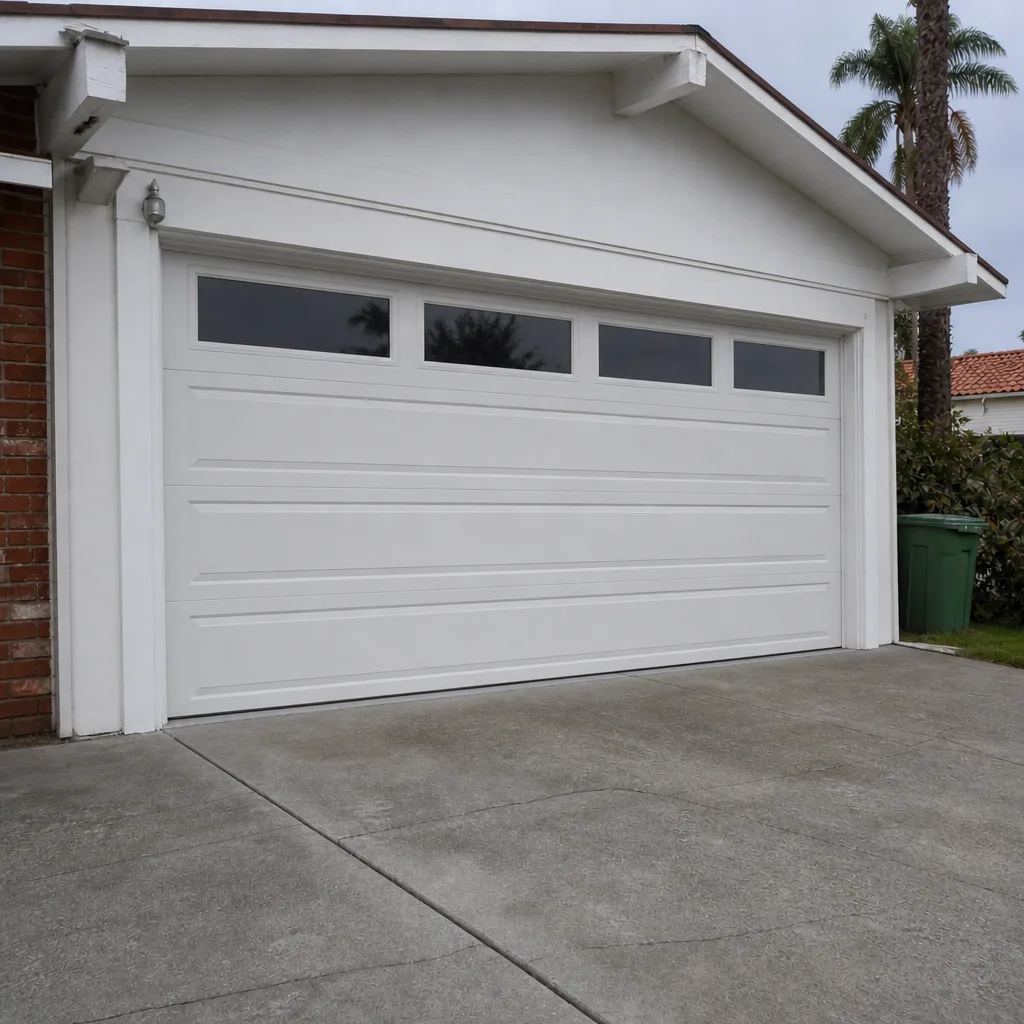
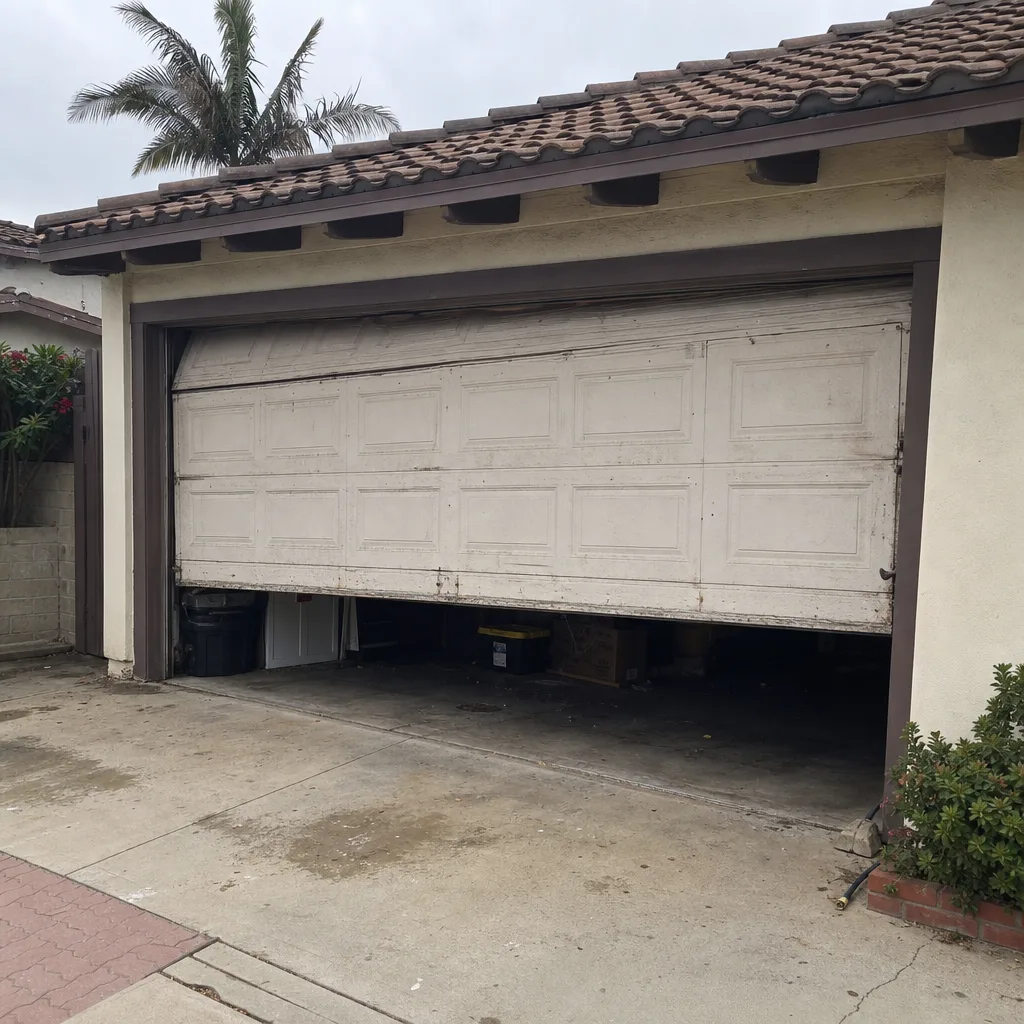
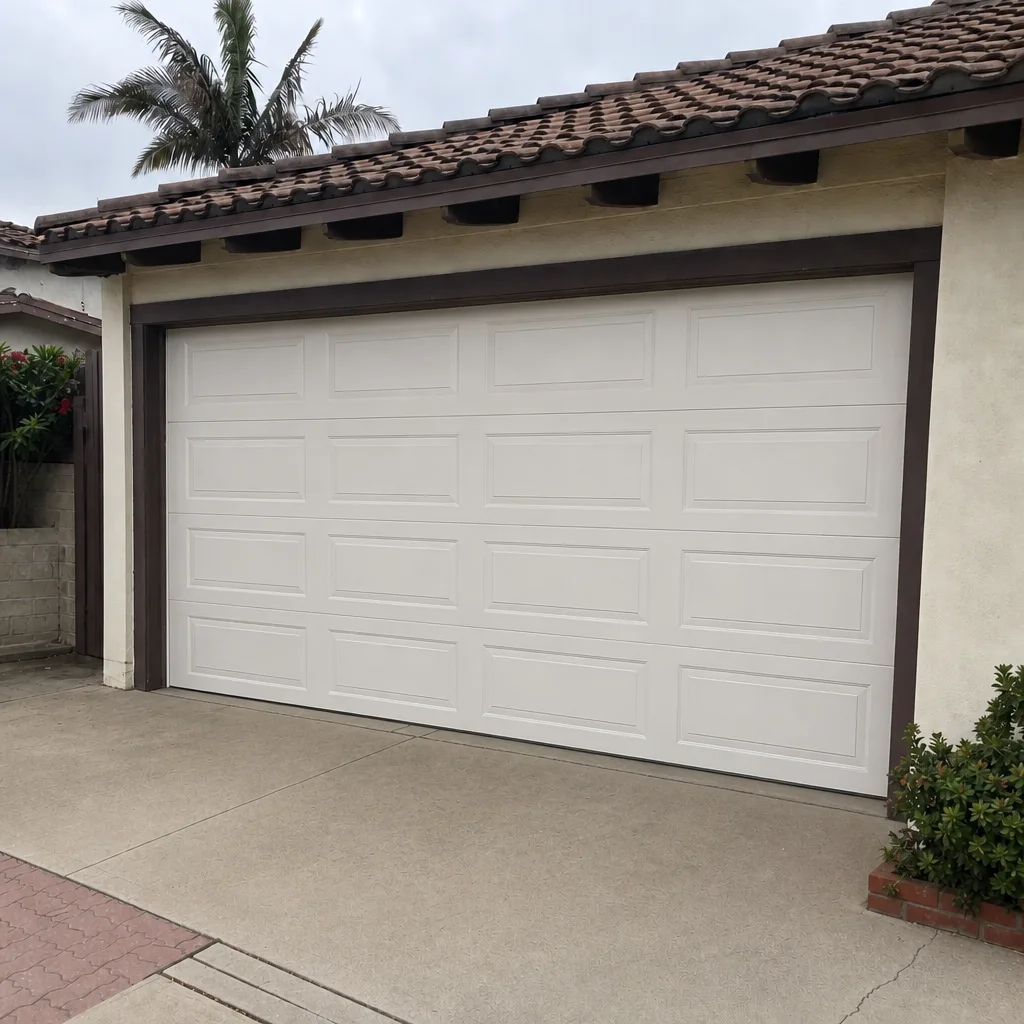
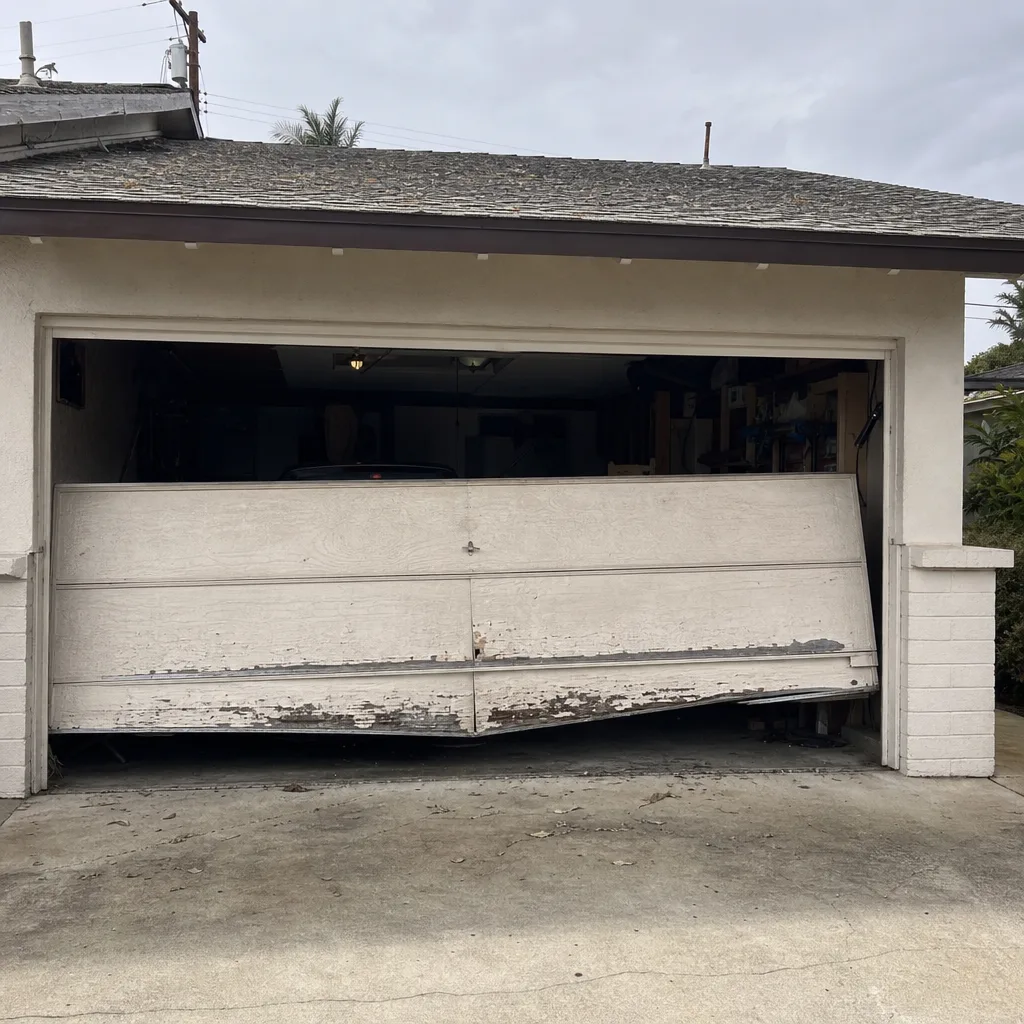
See the difference
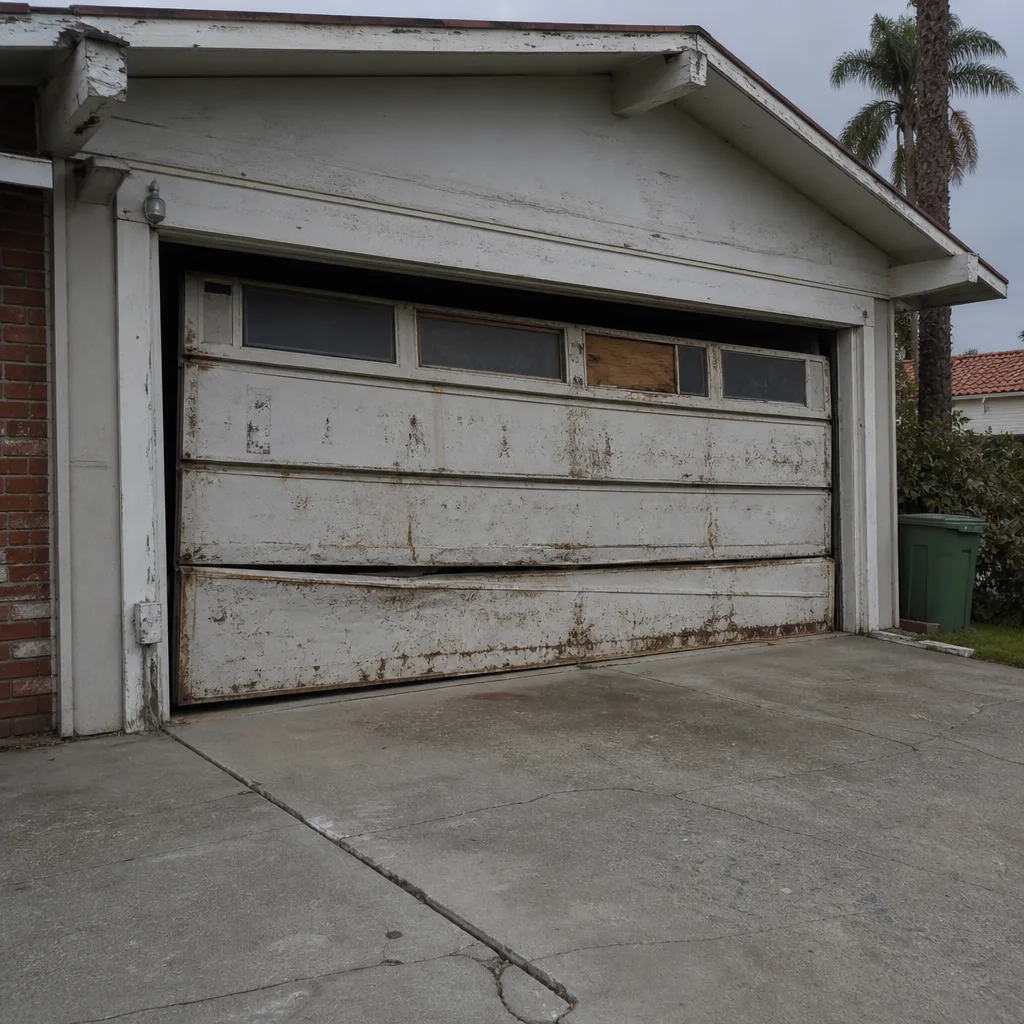 Before
 After
 Before
 After
 Before
 After