
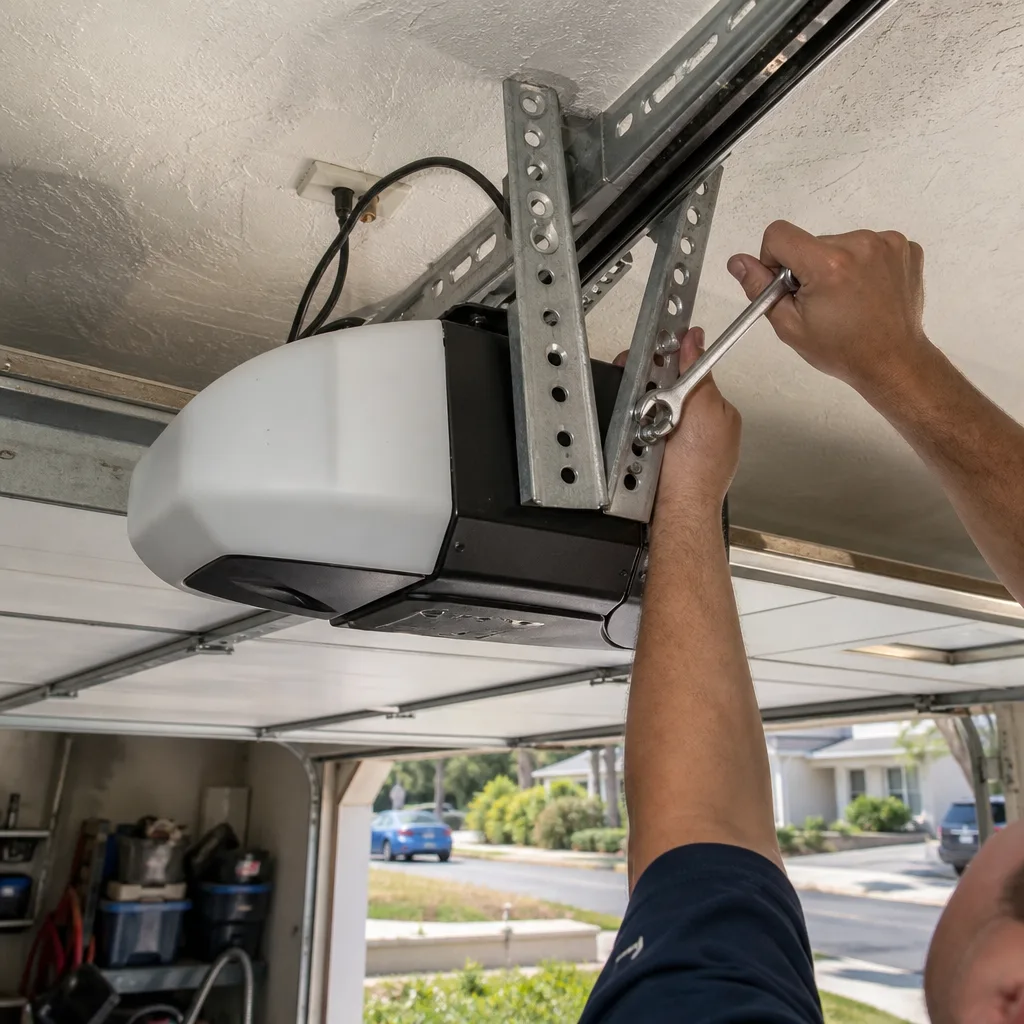
Last updated November 4, 2026
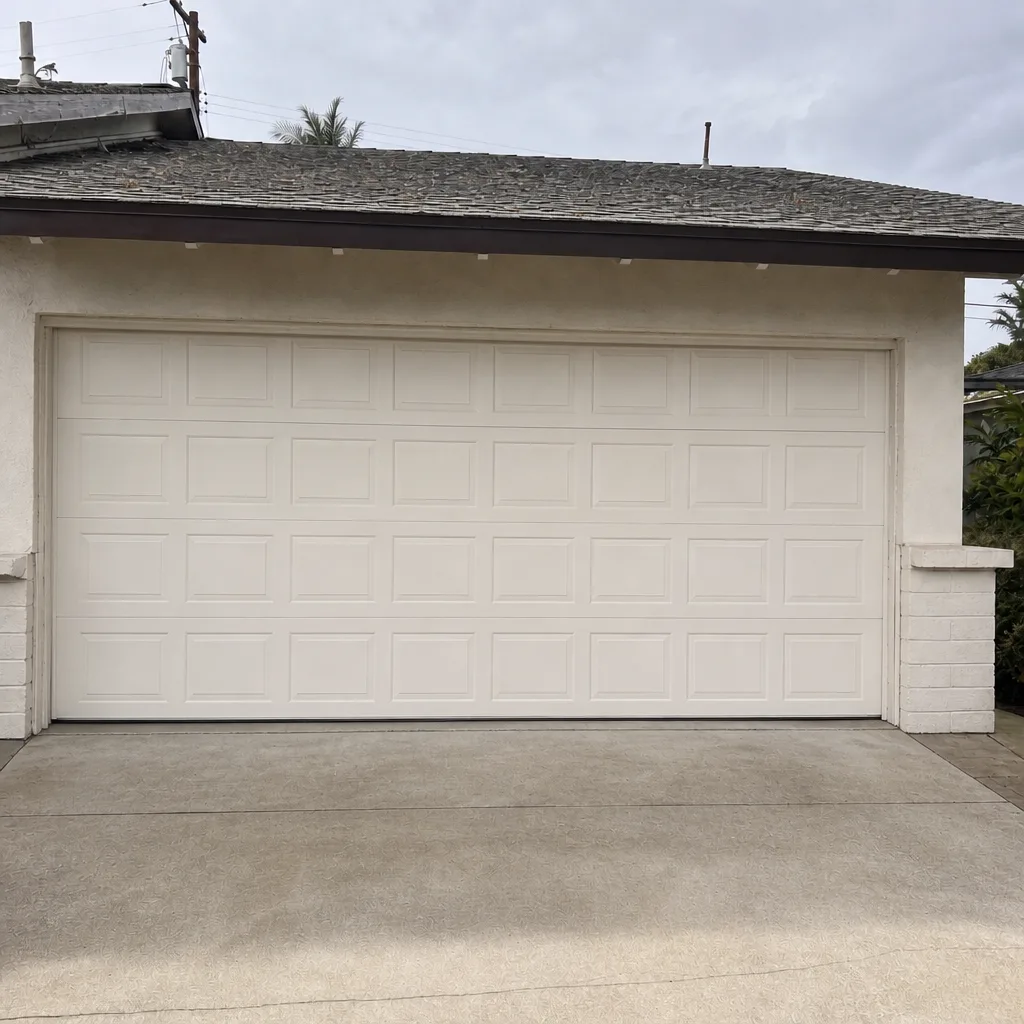
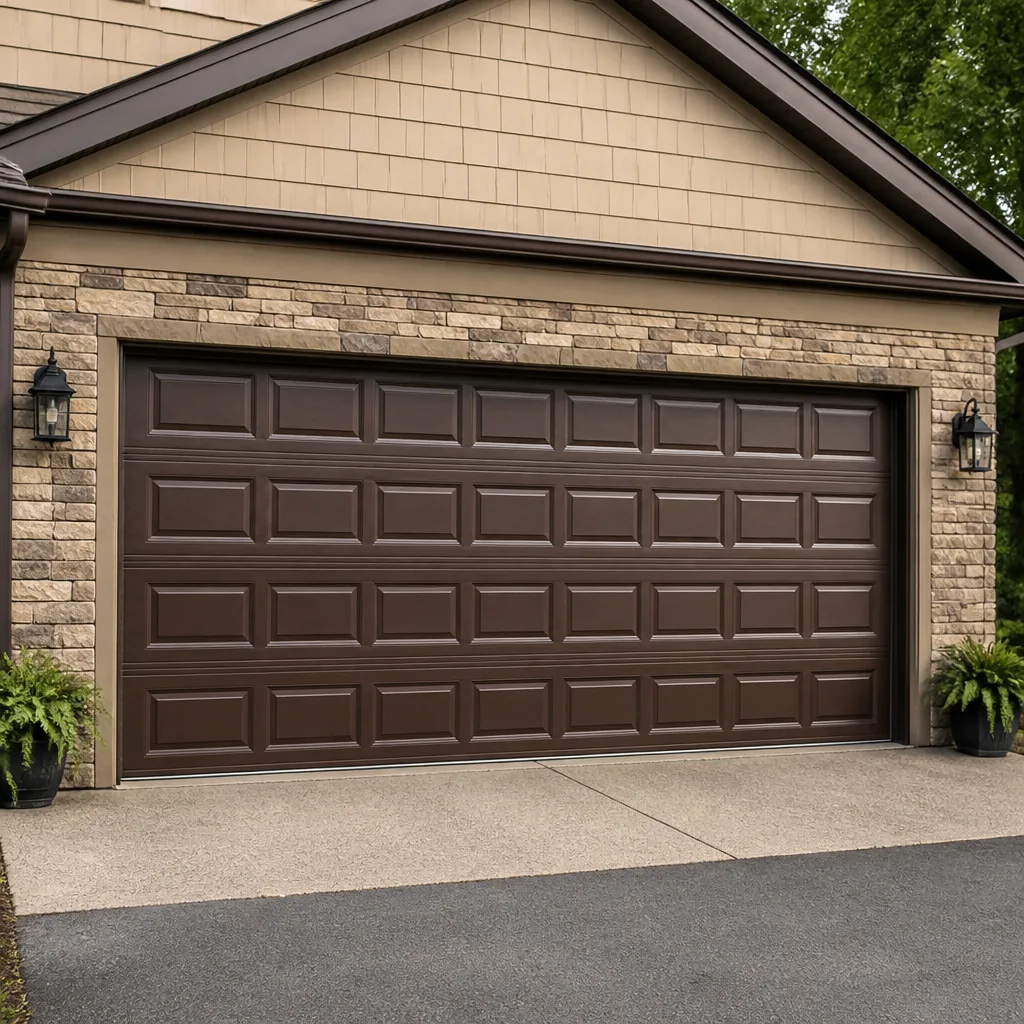 Raised-panel steel
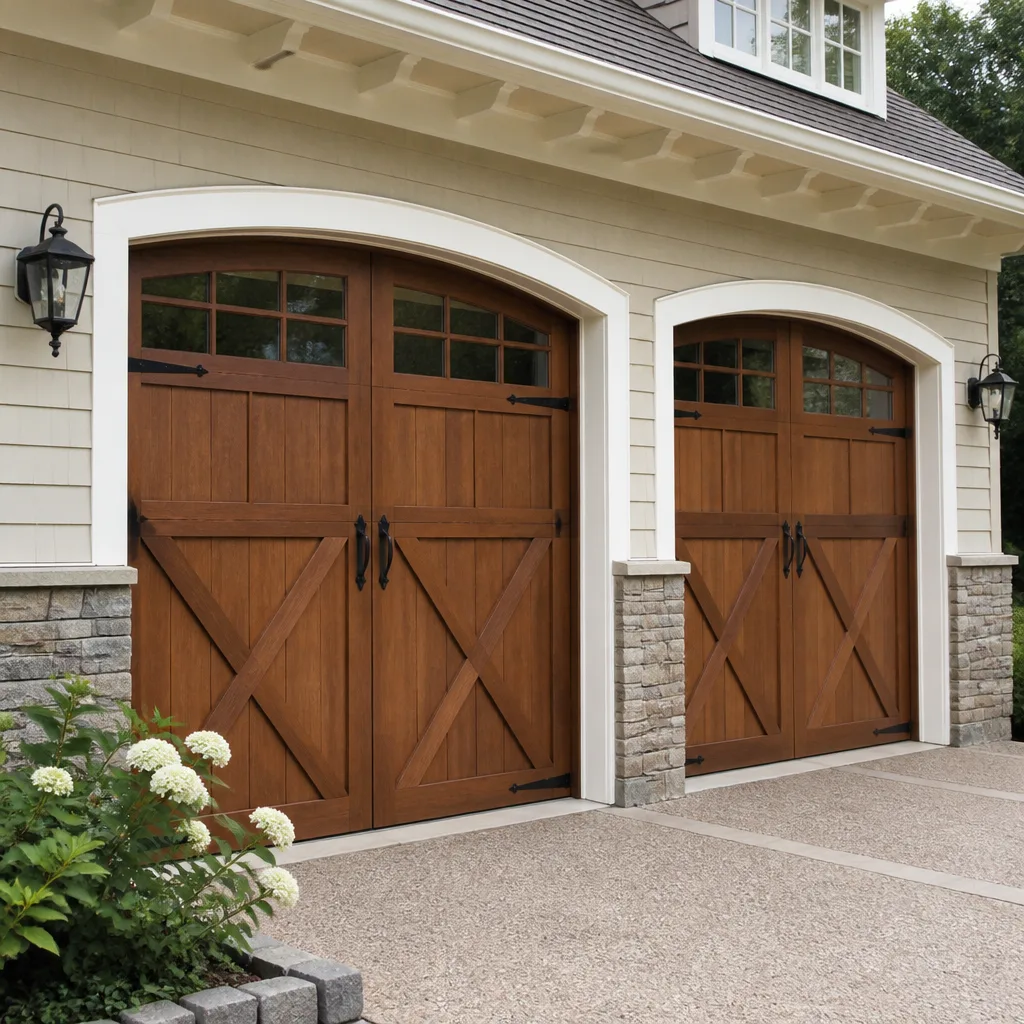 Carriage house
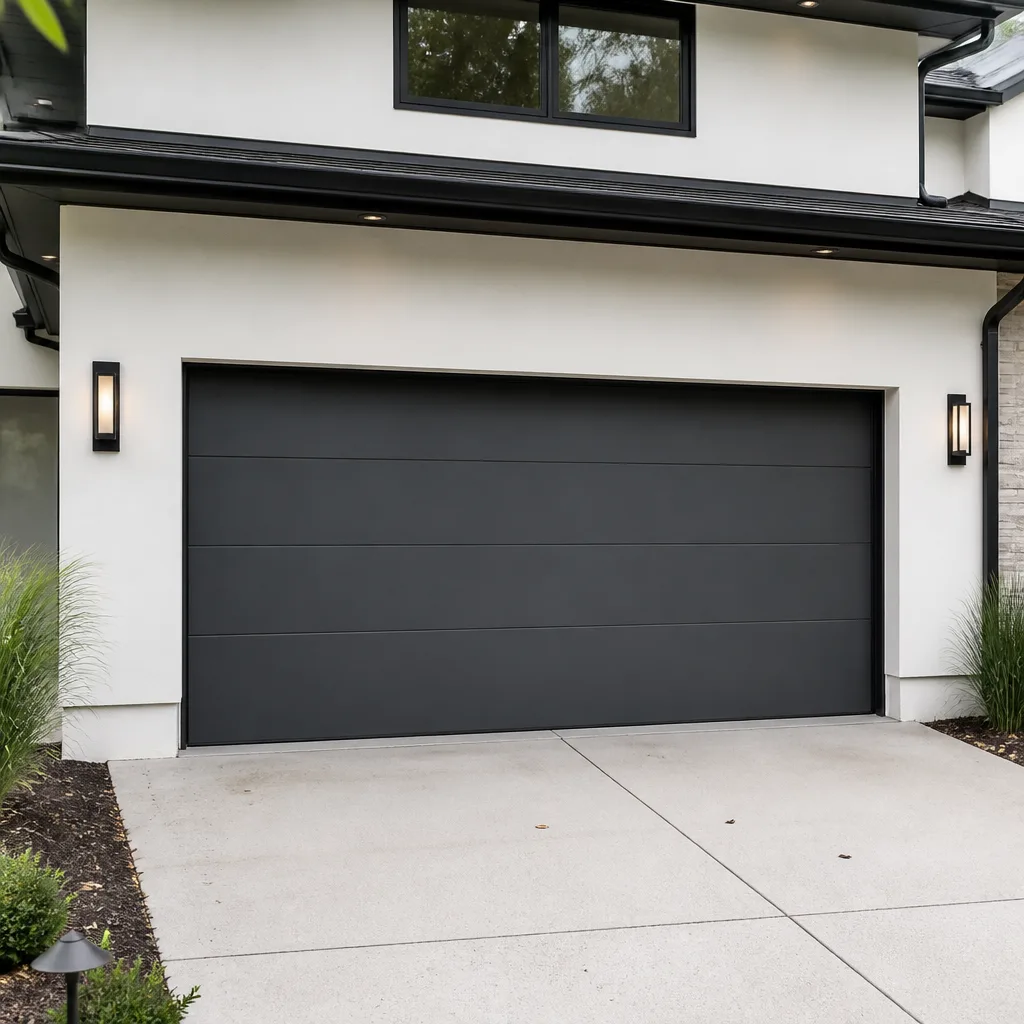 Modern flush
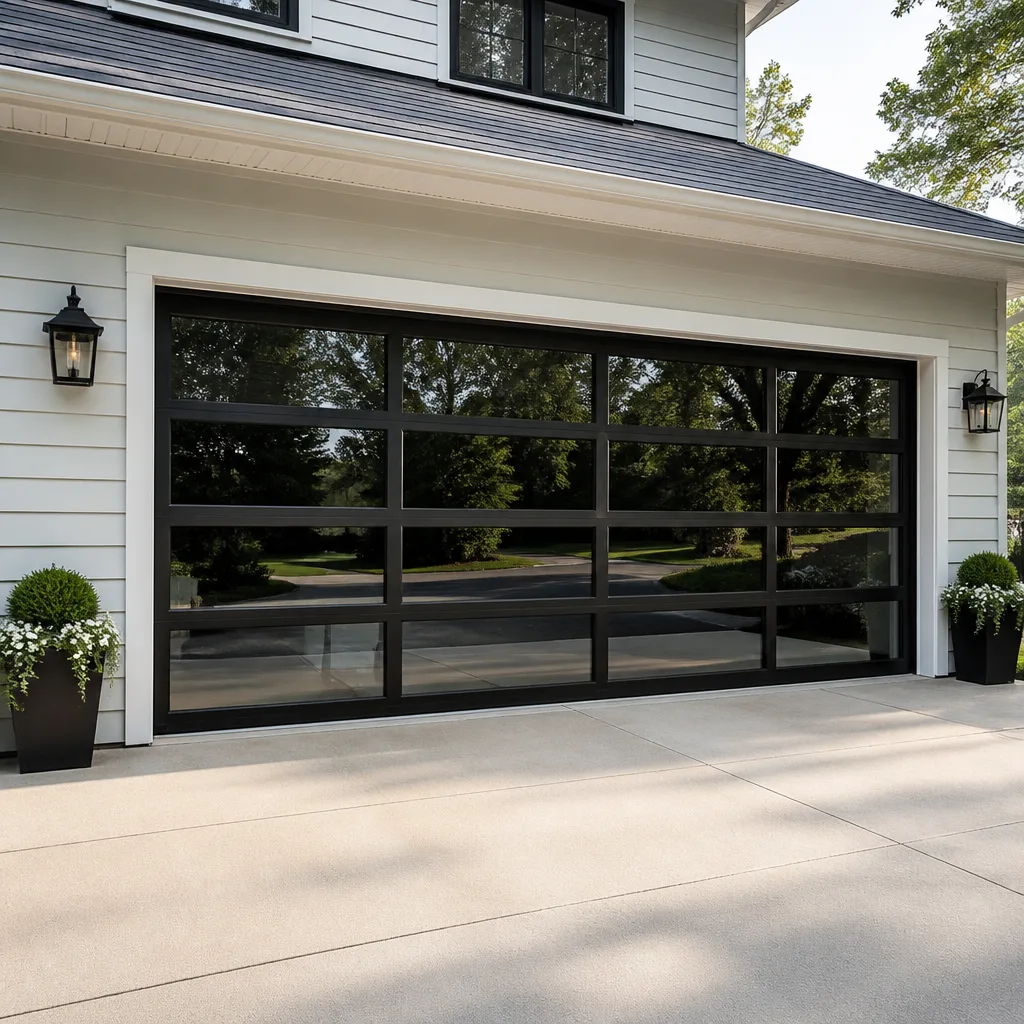 Full-view glass
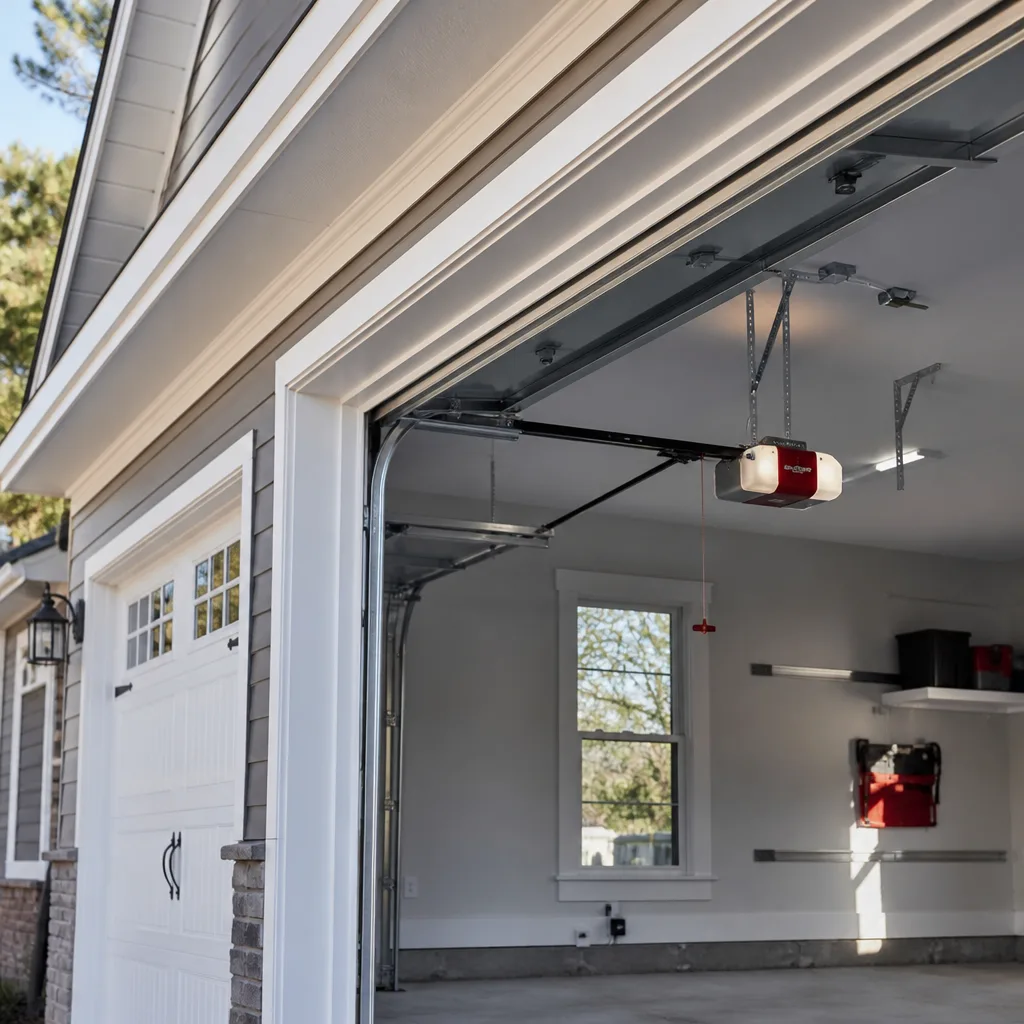 LiftMaster openers
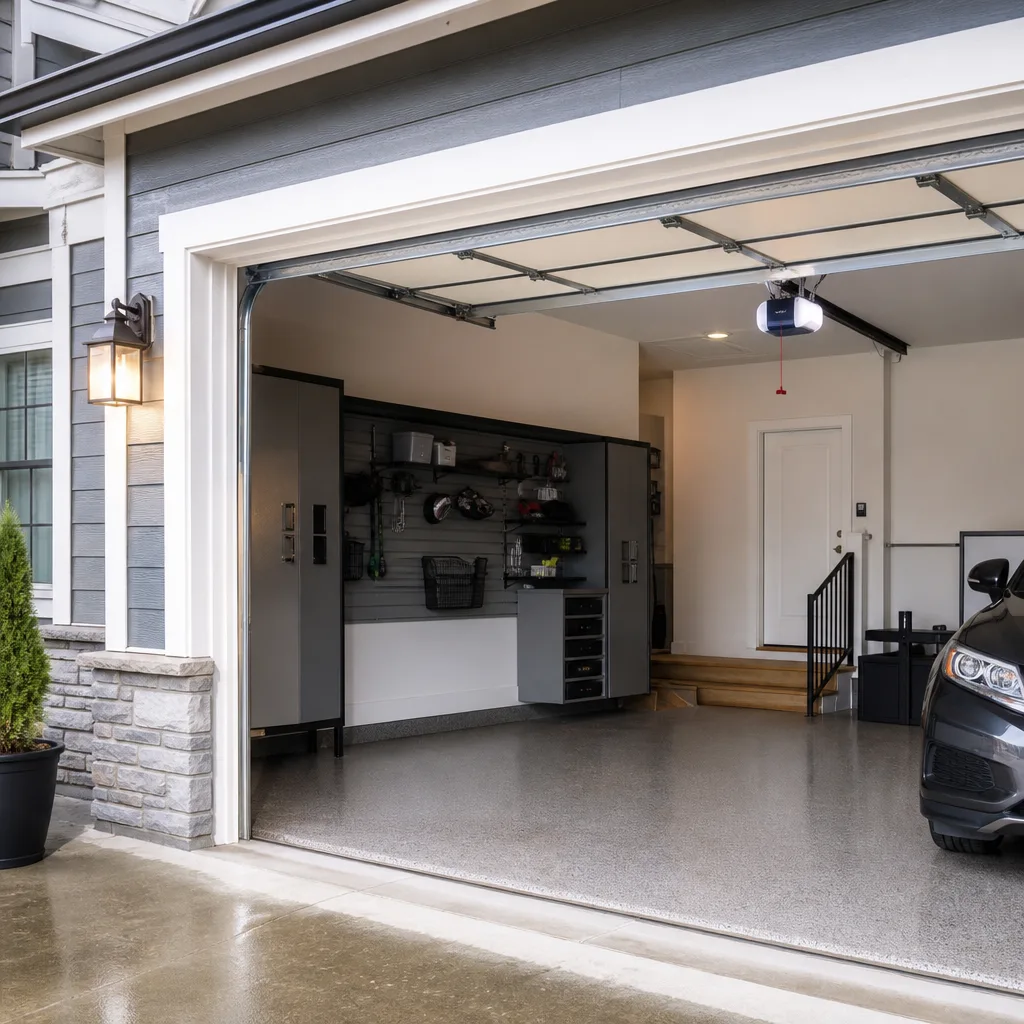 Chamberlain openers
Full 25-point door and opener safety check with every visit - springs, cables, rollers, tracks, and your LiftMaster or Chamberlain opener included
You get a price before we start. It does not change when the truck arrives.
Get your free estimateGarage Door Emergency Preparedness Guide for San Clemente Homes
Most San Clemente homeowners only think about their garage door when it stops working. The trouble is, that moment usually arrives at the worst possible time – during a power outage, right after an earthquake, or when Santa Ana winds are throwing debris against the house. A garage door that opens and closes hundreds of times a year can develop problems quietly, and the first sign is often a door that won’t budge when you need it most. This guide covers the emergencies specific to San Clemente’s climate and seismic reality, and it teaches you the steps that get you back in control without making a bad situation worse.
Quick Answer
A garage door emergency in San Clemente typically falls into one of four categories: post-earthquake jamming, power outage entrapment, wind-related binding, or sudden spring failure. In almost every case, the first step is to locate and operate your door’s manual release cord, which disconnects the door from the opener and lets you lift it by hand. If the door grinds, hangs, or won’t stay up when you do this, leave it alone and garage door repair is the call to make. The most dangerous component – a snapped torsion spring – should never be handled by a homeowner.
Styles & brands we work with
- Raised-panel steel
- Carriage house
- Modern flush
- Full-view glass
- LiftMaster openers
- Chamberlain openers
Table of Contents
- What to do after an earthquake
- Manual release during a power outage
- Santa Ana wind and debris damage
- Vehicle entrapment vs. security vulnerability
- Sudden spring failure
- The two-item emergency kit
- Sensor and auto-reverse problems
- Common mistakes to avoid
What San Clemente Homeowners Should Do After an Earthquake
Southern California shakes. The earthquakes that register in San Clemente rarely collapse garage doors, but they regularly shift them. A door that ran smoothly on Monday can bind, scrape, or refuse to open the morning after a moderate tremor. The reason is almost always track alignment. The steel tracks that guide your door up and down are bolted to framing, and when the house moves, those tracks can twist or shift by a quarter inch – enough to catch a roller and stall the door.
Before you attempt to open the door after any noticeable quake, walk through this checklist:
- Look at the tracks first. From inside the garage, check both vertical tracks and the horizontal sections near the ceiling. Look for visible gaps between the track and the wall, or track sections that no longer line up with each other.
- Inspect the springs. Look up. If you see a visible gap in the torsion spring above the door, do not open the door and do not stand under it. A broken spring under tension is a genuine hazard.
- Check the sensor eyes. The two small photo-eye sensors near the floor on either side of the opening can be knocked out of alignment by even a mild quake. If one blinks or points off-angle, the door may not close.
- Test the door manually first. Pull the red emergency release cord and try lifting the door by hand. If it binds or feels heavier than usual, stop. A binding door can come off its track entirely.
In our experience, most post-earthquake door problems in San Clemente are alignment issues, not structural damage. That’s a fixable problem. The mistake is forcing the door open with the opener motor while a roller is already catching – that’s how you bend a track or strip a gear. If the door doesn’t lift smoothly by hand, book a technician rather than fight it.
Operating Your Manual Release During a Power Outage
When the power goes out in San Clemente – whether from a Pacific storm or a grid issue – your opener becomes a dead box of electronics. The door stays wherever it was. To move it, you need the manual release, and that red cord hanging from the opener rail is the most underused safety feature in any garage. Pulling it disconnects the door from the opener carriage, which means you can lift the door by hand.
But the way you operate the release depends on the type of opener you own, and this is where homeowners get confused. The release mechanism itself is nearly universal, but how the door behaves after release changes with the drive type:
- Belt-drive openers (common on LiftMaster and Chamberlain units): The release hangs from a trolley on a reinforced belt rail. Pull firmly downward. The door will feel heavier than you expect because you’re now lifting the full weight without motor help.
- Chain-drive openers (older Genie and many Craftsman models): Same release cord, same pull-down motion. The difference is noise – a chain-drive door that’s off its trolley can rattle as you move it, which is normal.
- Jackshaft openers (mounted on the wall beside the door, no center rail): These units, common in San Clemente homes with high ceilings, have a release mechanism on the opener itself rather than a dangling cord from a rail. The release is typically a small lever or pull ring on the unit. If you don’t see a red cord hanging above your car, look at the wall-mounted opener.
One caution: once you pull the release and lift the door by hand, the door is no longer locked to the opener. If the power is still out, that’s fine – just close it the same way. But when power returns, you’ll need to re-engage the carriage. With most openers, that happens automatically the next time the opener runs after you pull the cord again or run the motor once. If the door starts moving on its own when power returns and the carriage is disengaged, you may need to run the opener through a full cycle to reconnect it.
If your door won’t lift by hand after you pull the release, the problem isn’t the power – it’s the door. That’s a spring or track issue, not an opener issue, and it belongs in the hands of a garage door specialist.
Santa Ana Wind: Debris, Pressure, and Stuck Doors
Santa Ana wind events in San Clemente are dry, gusty, and strong enough to push patio furniture across a yard. They also create two specific garage door problems that few general home safety guides mention. The first is debris impact. A branch or a piece of construction material carried by a 50 mph gust can strike the door panels, the tracks, or the weatherstripping at the base. The second is pressure differential. A strong, sustained gust against a sectional garage door can push the door inward slightly, which binds the rollers in the tracks and triggers the auto-reverse loop when the opener tries to move it.
If your door sticks during or after a wind event, here’s what to do:
- Look for visible debris first. Check the base of the door outside. A branch or rock caught under the door is a simple removal. If the door is partially open and the obstruction is wedged, don’t pull it loose from inside – clear it from outside with the door fully stopped.
- Check for panel damage. Run your hand over the outside face of each panel (when the door is closed and powered off). Dents that look cosmetic can still distort the panel enough to make the door hang unevenly.
- Look at the tracks from inside. Wind can press the door against one track and bow it outward. If one track looks pinched or the rollers are sitting differently on one side, the door needs realignment before you run it again.
- Test the balance manually. Pull the red release cord and lift the door about halfway. Let go. A balanced door stays put. If it slams down or shoots up, the wind event has likely thrown off the spring tension or bent a track.
The auto-reverse loop is a common symptom we see after a Santa Ana blow. The opener starts to close, senses resistance, reverses, and repeats. That’s the safety system doing its job, but living with it means the door never closes, which leaves your home exposed. The fix depends on what’s causing the resistance – misaligned sensors, bent track, or a dented panel can all trigger it.
Vehicle Entrapment vs. Security Vulnerability: Know Which One You Have
A garage door that won’t open is two very different emergencies depending on whether your car is inside or outside. When the car is inside and the door won’t open, you have a vehicle entrapment. You can’t get to work, school, or an appointment, and in a worst-case scenario you can’t evacuate. When the car is outside and the door won’t close, you have a security vulnerability. Every hour that door sits open is an invitation to anyone walking by.
The immediate steps are different:
- Vehicle entrapment (car inside, door stuck closed): Pull the manual release cord and try to lift the door by hand. If it lifts, you’re out – drive through and deal with the door later by closing it behind you manually. If it won’t lift, the problem is mechanical, not electrical. Call a garage door repair service that can dispatch a technician fast. This is the scenario where being able to move the door by hand matters most.
- Security vulnerability (car outside, door stuck open): The priority is getting the door down. If the door is in the open position and won’t close, the most common causes are misaligned sensors, a bent track, or a broken spring – in that order. You can temporarily disable the auto-reverse sensors by holding the wall button down (on most openers, holding the button overrides the sensors until you release it), but only do this if the door can travel smoothly. If the door is crooked, stuck, or making grinding sounds, leave it and call a professional.
- Don’t press the opener button again. Every cycle with a broken spring risks further damage to the opener and the track.
- Keep the door where it is. If it’s closed, leave it closed. If it’s open, don’t try to close it by hand unless you have multiple people to support the door. A spring-balanced door feels light; a broken-spring door does not.
- Look up and confirm the spring. A broken torsion spring will show a visible gap in the coils above the center of the door. Sometimes both springs are broken – if you have a two-spring system and one breaks, replace both as a matched set.
- Call a specialist. This is a repair, not an opener replacement. A technician who works on all major brands can bring the right spring and the right tools the first time.
- Dust and spider webs: San Clemente’s dry, dusty air coats sensor lenses. A microfiber cloth and a few seconds of wiping often restore function.
- Bumping misalignment: A trash can or a car bumper nudging a sensor bracket can angle it just enough to break the beam. Both sensors should face each other squarely, and the small indicator lights should be solid, not blinking.
- Sun strike: In the late afternoon, direct sun hitting one sensor can overwhelm the beam. A simple shade made from a toilet-paper tube or a small piece of cardboard can block the sun without blocking the beam path.
- Wiring that loosened over years of vibration: The low-voltage wires at the back of the sensor can work loose. Wiggling them while watching the indicator light on the sensor is a quick diagnostic.
A door stuck halfway is both problems at once. Your car can’t get in or out, and the opening is a visible liability. The same rule applies: if manual lifting doesn’t restore smooth movement, don’t force it. The components in a garage door system are heavy and under tension, and a door that’s off balance can drop hard.
Sudden Spring Failure: What It Sounds Like and What to Do
The sound is unmistakable. A loud bang, like someone hit the garage wall with a sledgehammer. That’s a torsion spring snapping. It happens without warning, and in San Clemente’s climate, it’s one of the most common garage door emergencies we see. The door won’t open, or if it does open a few inches, it won’t stay there. The opener motor strains – and if you keep pressing the button, you can burn out the opener, which turns a spring repair into a much larger bill.
Here’s the critical safety point: a torsion spring is under hundreds of pounds of torque. It is not a DIY repair, and this is not the kind of thing you figure out from a YouTube video. When a spring snaps, the door is no longer counterbalanced. That means the full weight of the door – which can exceed 150 pounds – is now on the opener, the cables, and whatever else is holding it up. If a cable slips or a bracket gives way, the door can drop.
What to do when you hear that bang:
Springs are sized to the exact weight and height of your door. The wrong spring either won’t lift the door or will lift it too aggressively, which causes the opener to work harder and the door to slam. The repair itself involves winding the new spring under controlled tension – a job for a trained technician with the proper winding bars, not a homeowner with a pair of pliers and optimism.
The Two-Item Emergency Kit Every San Clemente Garage Should Have
You don’t need a kit full of specialized tools. But there are two items that make every garage door emergency easier to manage, and most San Clemente garages have neither.
1. A manual release key. Most modern garage doors have an exterior keyed release – a small lock mechanism on the face of the door, usually near the top, with a cable that connects to the emergency release inside. When the power is out and you’re outside the garage, that key is the only way to open the door from the outside. The key is a specific blank that matches the lock cylinder, and it’s often lost within the first year of living in a house. Test yours today. If you don’t have one, a locksmith or a garage door service can supply and program a replacement. For San Clemente homeowners with a detached garage or no side door, this key is the difference between getting to your car during a power outage and standing in the driveway hoping the utility crew works fast.
2. Your opener brand’s support number. The emergency line for LiftMaster, Chamberlain, Genie, or whichever brand you own is not the same as the installer’s number. When you need firmware help, smart-home reconnection, or a warranty question, having the brand’s number taped inside the garage cabinet saves you the frustrating search on a phone with dying battery. Your owner’s manual has the number printed on the back cover or the first page. Write it down. Tape it to the wall. You’ll be glad you did at the exact moment you can’t find the manual.
That’s the whole kit. Two items. Ten minutes to assemble. And if you have a LiftMaster, Chamberlain, Genie, or Clopay door, we work on all of them – so the brand-specific help extends beyond what the manufacturer can do.
Sensor and Auto-Reverse Problems That Mimic Emergencies
Sometimes a garage door acts like it’s having an emergency when it’s actually a small, fixable issue. The most common culprit in San Clemente is the photo-eye system. Those two sensors on either side of the door, about six inches off the floor, shoot an invisible beam across the opening. When something interrupts that beam, the door refuses to close or reverses immediately. It’s a safety feature, not a malfunction – but it feels like a malfunction when you’re late for work.
Common sensor problems that make the door misbehave:
If the sensors are clean, aligned, and lit – and the door still reverses – the issue is likely further up the system: a failing logic board, a stretched belt, or a trolley that’s lost its adjustment. At that point, garage door opener repair is the conversation to have, and the fix is usually faster than replacing the whole unit. A specialist who works across LiftMaster, Chamberlain, and Genie systems can diagnose the issue without brand loyalty getting in the way.
Building a Preparedness Routine for Your San Clemente Garage
Preparedness isn’t a one-time project. It’s a handful of small habits that take less than ten minutes a month and prevent most of the emergencies this guide covers. The goal is to catch problems while they’re still noise – a squeak, a rattle, a sluggish open – rather than after a spring snaps in the middle of a Tuesday morning.
Here’s a monthly routine that works for San Clemente’s climate and typical homeowner schedule:
- Listen to the door. Run it through one full open-close cycle while standing inside. A smooth, quiet door sounds almost electric – a soft whir from the opener and nothing else. Grinding means rollers are worn. Squealing means the spring or hinges need lubrication. A harsh rattle means something’s loose.
- Watch the door move. Watch the edges of the door as it travels. It should stay perfectly straight. Any wobble, hesitation, or jerking is a sign of a track or balance issue that will only get worse.
- Test the balance manually. Pull the release cord and lift the door to waist height. Let go. A balanced door holds position. If it creeps down or slams up, the spring tension is off – and that’s a repair that’s cheaper than a snapped spring.
- Check the weatherstripping. The rubber flap at the bottom of the door and the vinyl trim along the sides keep dust, leaves, and Southern California’s occasional heavy rain out of the garage. Cracks or gaps let in pests and moisture. Replacement is a quick, inexpensive fix.
- Clear the tracks. Walk both tracks with a flashlight. Nothing should be in the track channel, and the bolts holding the tracks to the wall should be snug. Loose track bolts are a common post-earthquake finding in San Clemente.
None of these steps requires special tools or skills. They take about the same time as checking your smoke alarms, and they accomplish something similar: they turn a potential emergency into a maintenance item.
Common Mistakes to Avoid
- Forcing the opener after it’s already stalled. If the door balks once and you press the button again harder, you’re not solving the problem – you’re strip-mining the opener gear. A stalled door means something is resisting, and that something needs attention before the motor burns out.
- Pulling the release cord while the door is open. If the door is stuck in the up position and you pull the release, the door can crash down because the spring is still holding the weight but you’ve disconnected the only thing controlling it. The release cord is for when the door is closed or when you’re prepared to support the door’s full weight.
- Spraying WD-40 on everything that squeaks. WD-40 is a solvent and water displacer, not a garage door lubricant. It strips the grease from rollers and hinges and leaves them drier than before. Use a silicone-based or lithium-based lubricant designed for garage door components.
- Ignoring a noisy door because it “still works.” Noise is the earliest warning sign of wear. Rollers don’t suddenly fail; they grind for months first. Springs don’t usually snap without some squeaking, chirping, or visual wear beforehand. A quiet door is a healthy door, and a noisy door is sending you a message.
- Trying to adjust or replace a torsion spring yourself. This bears repeating because people still try it. The winding bars, the torque, the stored energy – one mistake with a torsion spring is a serious injury. No amount of money saved is worth the risk. This is a professional repair, full stop.
- Not knowing where your release cord is until the power goes out. When a power outage hits at night and you’re fumbling with a flashlight, that’s the wrong time to learn your release cord is tucked behind a shelf. Locate it today, pull it once (with the door closed) to feel how it works, and re-engage it properly.
- Assuming a brand-new door means no maintenance. Even a brand-new Clopay or Amarr door needs periodic attention. Rollers wear, tracks shift, and the San Clemente dust works into everything. Maintenance is about longevity, not age.
When to Call a Professional
Some garage door issues are homeowner-friendly. Others are not. The line is fairly simple: if the problem involves springs, cables, or a door that’s come off its track, call a professional. Those components are under tension, and the energy stored in them is what makes the door light enough to lift – it’s also what makes them dangerous to work on without proper training and tools. The same goes for any time you see a door sagging on one side, a gap in the spring, or a cable that’s frayed or dangling loose.
If your door jumps the track, binds when opened manually, or refuses to move after a quake or a Santa Ana event, that’s not a homeowner adjustment – that’s a misalignment that needs a technician with the right tools to re-seat the rollers and re-tension the system. Aspen Garage Door Service offers free estimates in San Clemente – call (866) 321-6293 for a written quote before any work begins.
Frequently Asked Questions
Pull the red emergency release cord hanging from the opener rail, which disconnects the door from the opener carriage, then lift the door by hand. On wall-mounted jackshaft openers, the release is a small lever or pull ring on the unit itself. If the door won’t lift after releasing it, you have a spring or track problem, not an electrical one. Call (866) 321-6293 – we answer 24/7 and dispatch from 7am to 7pm, Sunday through Friday.
Inspect the garage door tracks, springs, and sensor alignment before attempting to open the door. Look for visible gaps between the track and wall, a break in the torsion spring, or photo-eye sensors that have been knocked askew. Test the door manually with the release cord – if it binds, don’t force it with the opener motor.
Yes. A broken torsion spring is the most common emergency we see, and in most San Clemente cases we can get a technician to you the same day for a written quote before any work starts. Fast dispatch runs from 7am to 7pm, Sunday through Friday. Call (866) 321-6293 and we’ll give you a straight answer on timing.
The most common reason is a misaligned or dirty photo-eye sensor on either side of the door opening. Clean the sensor lenses, make sure they point squarely at each other, and check the indicator lights – solid means aligned, blinking means not. If the sensors look right and the door still reverses, the problem is likely track resistance or a worn opener component.
Yes, if the spring system is intact and the door is balanced. A properly balanced door lifts smoothly with one hand and holds position at waist height. If the door feels excessively heavy, won’t stay up, or makes grinding sounds, that’s your signal to stop – the spring or track likely needs professional attention before the door drops unexpectedly.
No. The estimate you’re quoted is on paper before any work begins, and the written price is the price. What changes an estimate is scope – if you decide to replace both springs instead of one, or if you add a new door installation while the technician is there. You approve every line item before the work starts, and your approval is on the written estimate. Call (866) 321-6293 for a free quote.
The Bottom Line
Garage door emergencies in San Clemente follow patterns. Earthquakes knock tracks out of alignment. Pacific storms take out power and leave cars trapped. Santa Ana winds throw debris and bind doors. Springs snap with a bang that echoes through the house. The common thread is that the door worked fine until it didn’t, and the homeowner was caught without a plan. A manual release key, a clean set of sensors, a balanced door, and a phone number for a garage door specialist cover ninety percent of what can go wrong. The other ten percent is handled with a same-day garage door repair visit. For San Clemente homeowners, the best emergency plan is a door that’s inspected before the ground shakes or the wind blows – and the knowledge to act when it does.
Written by the team at Aspen Garage Door Service, serving San Clemente since 2012.
See the difference
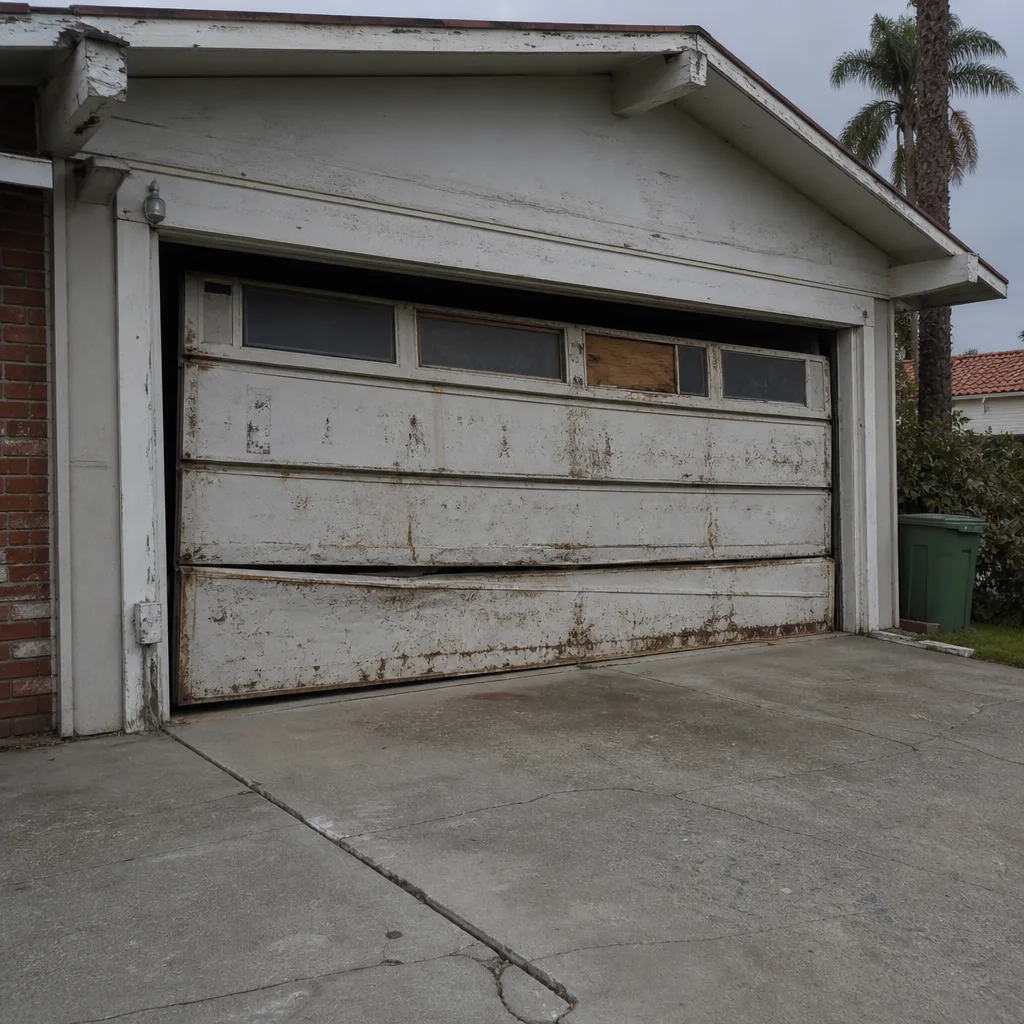 Before
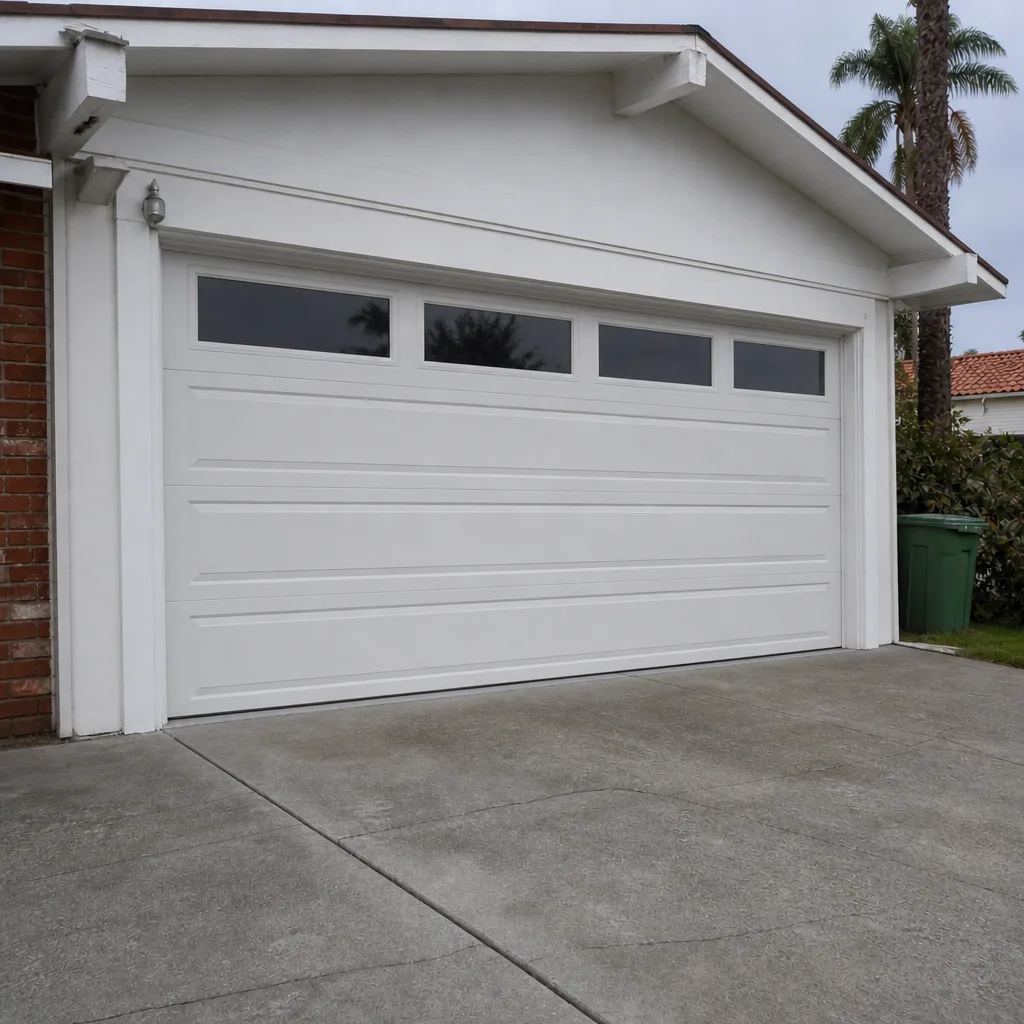 After
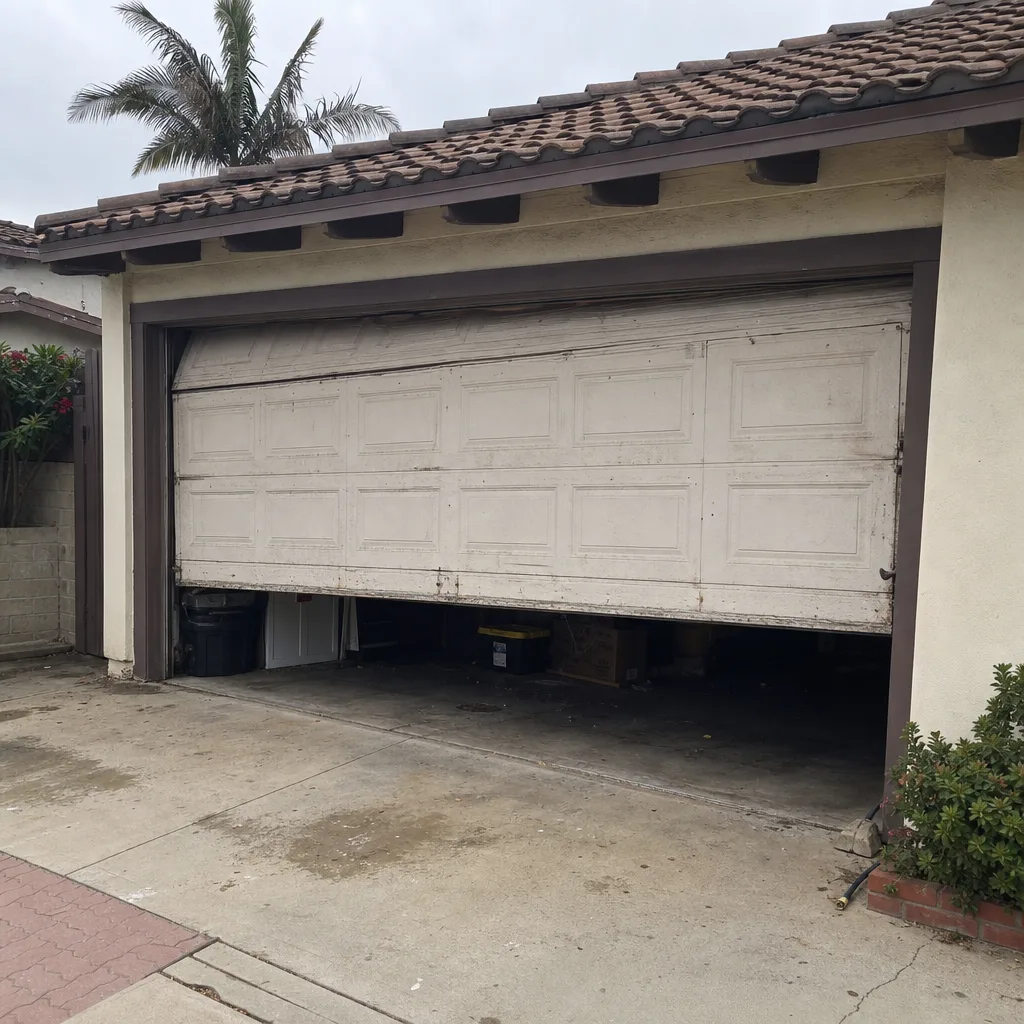 Before
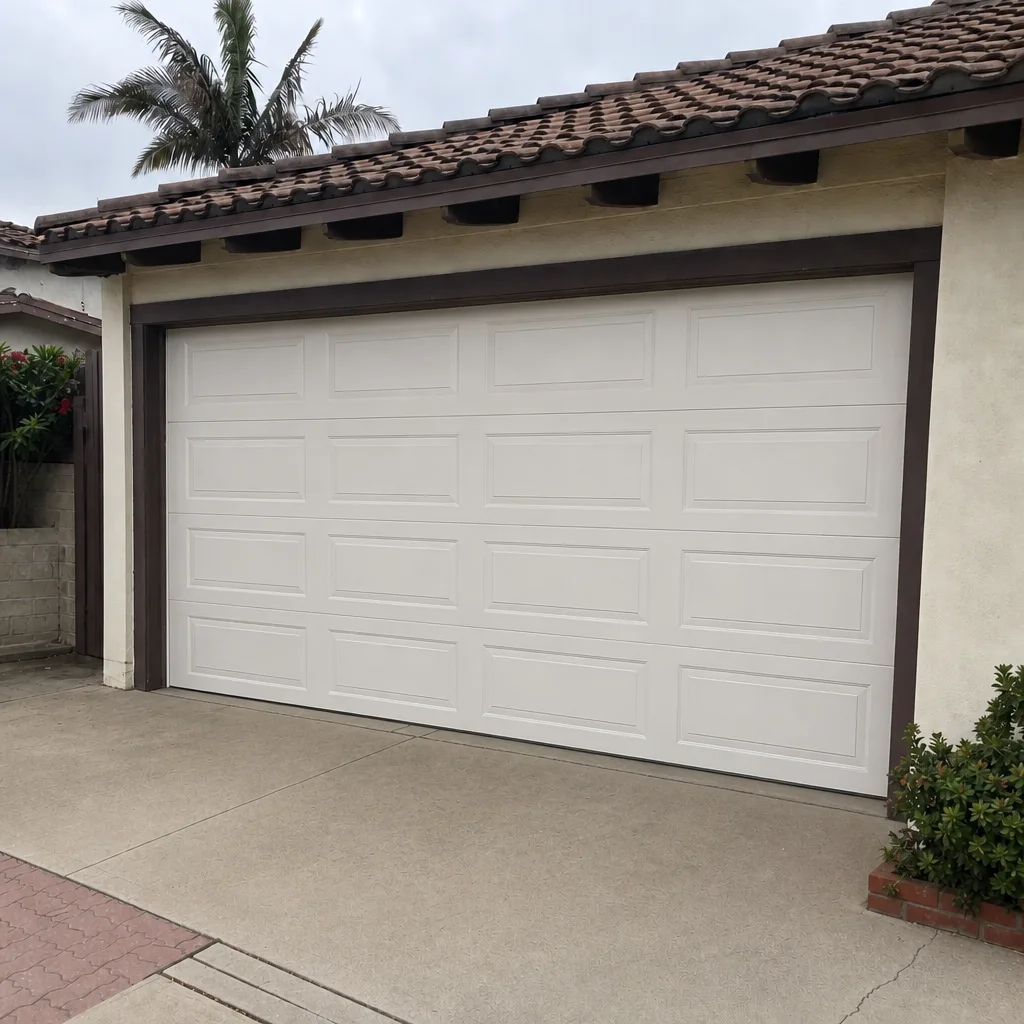 After
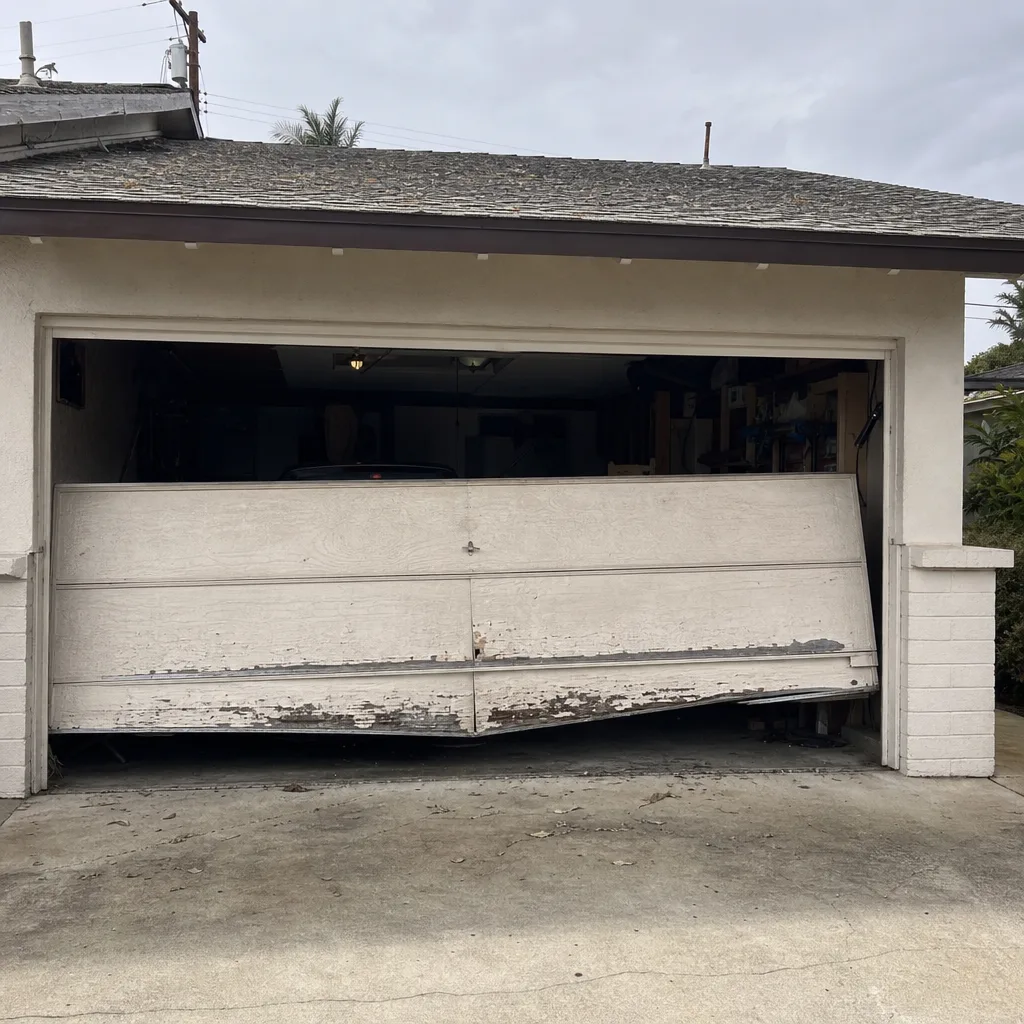 Before
 After