
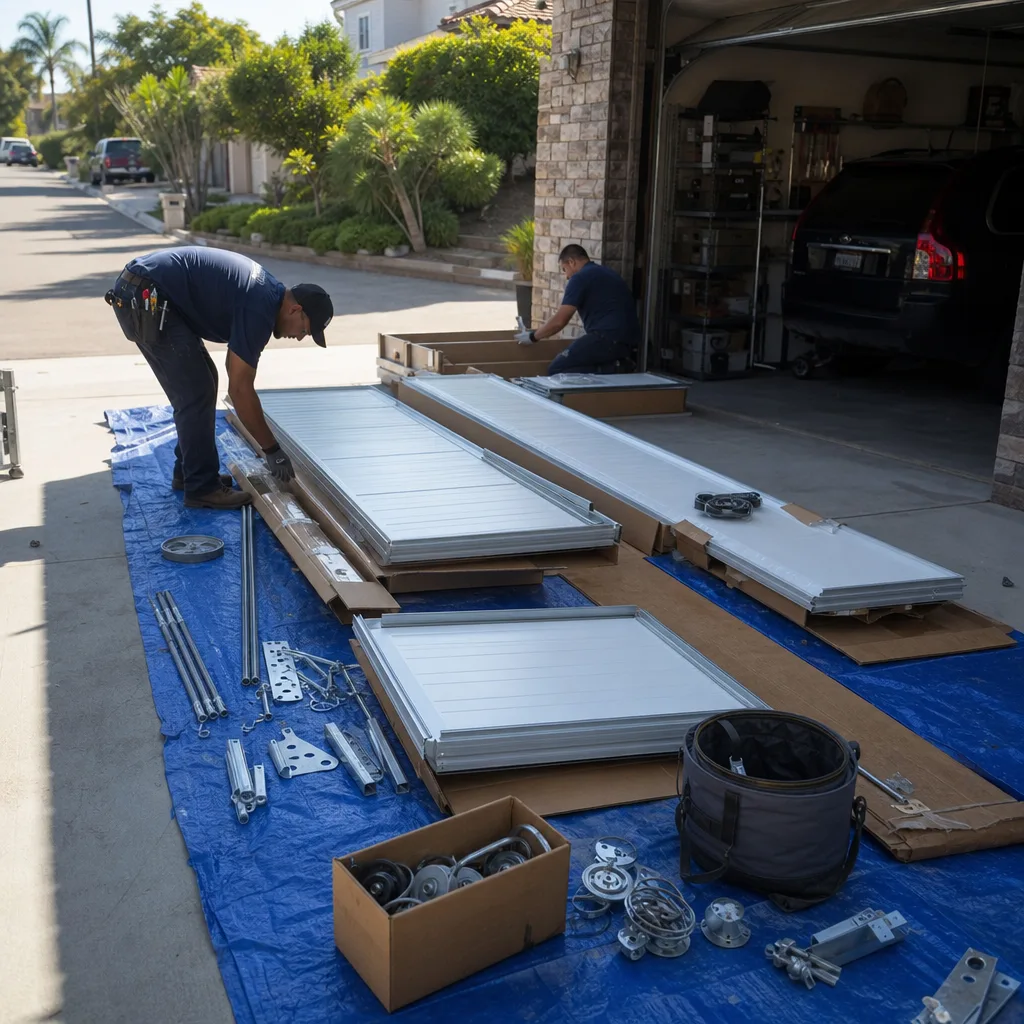
Last updated November 4, 2026
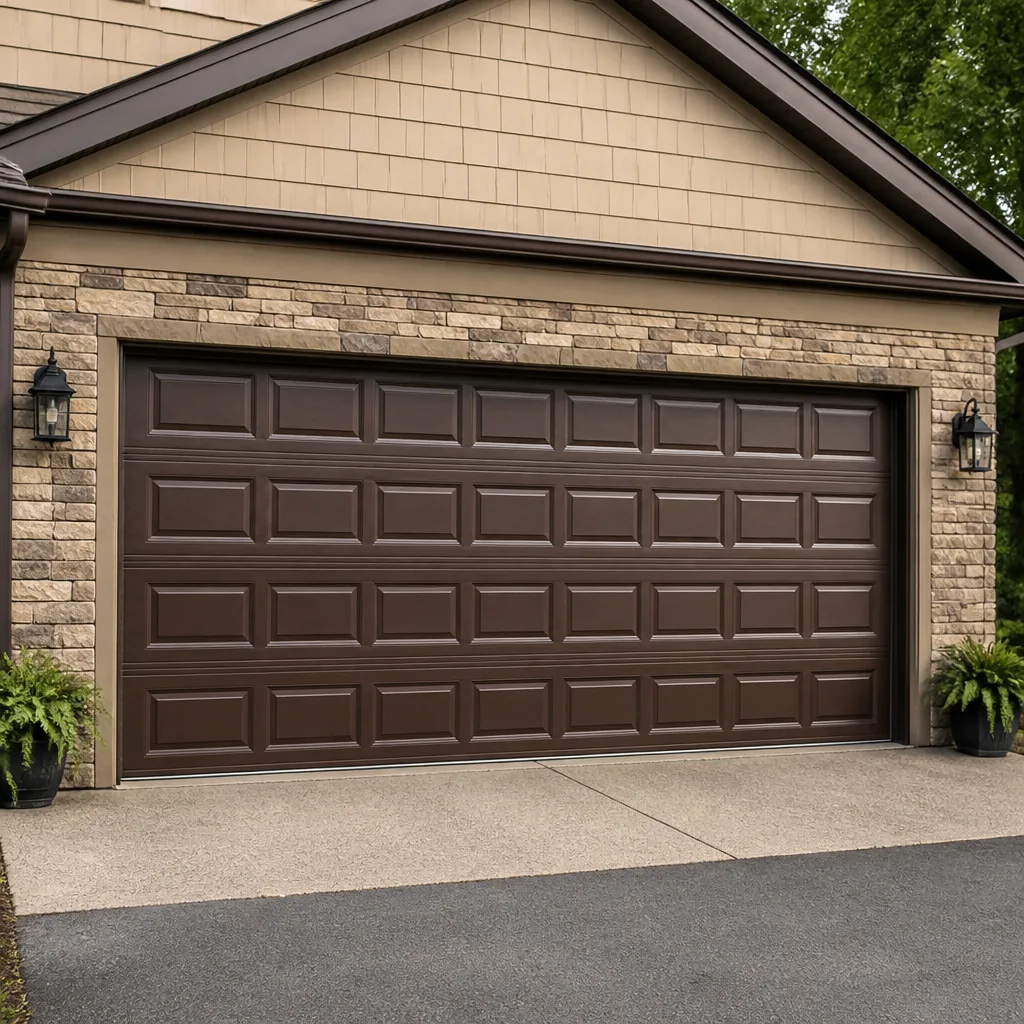 Raised-panel steel
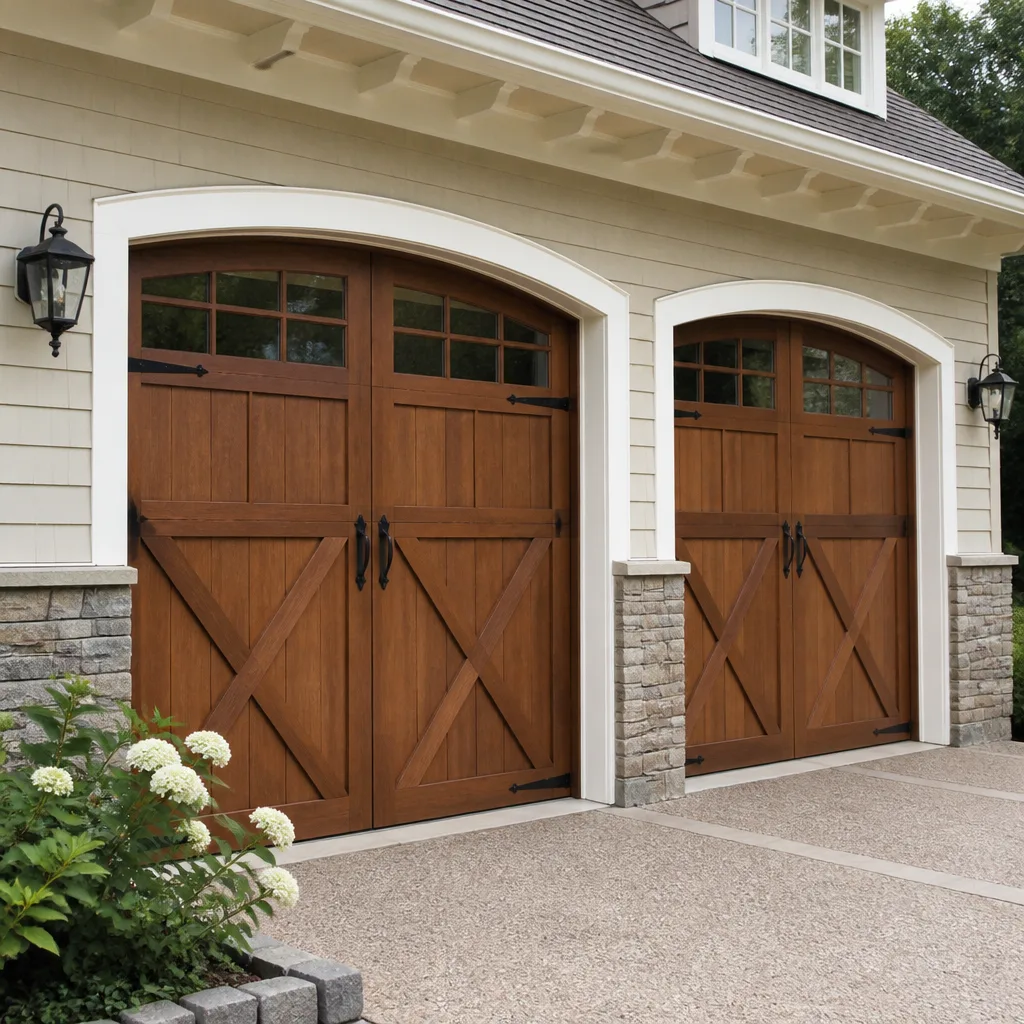 Carriage house
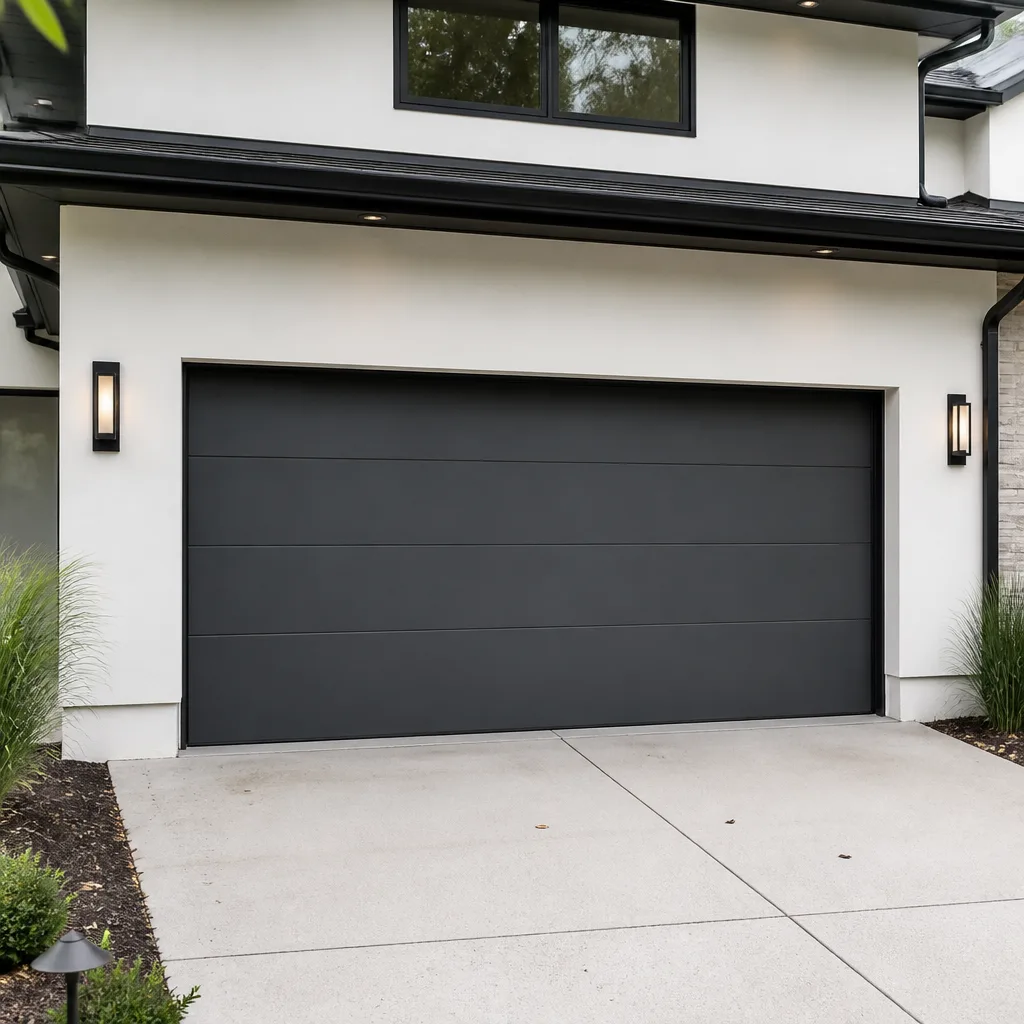 Modern flush
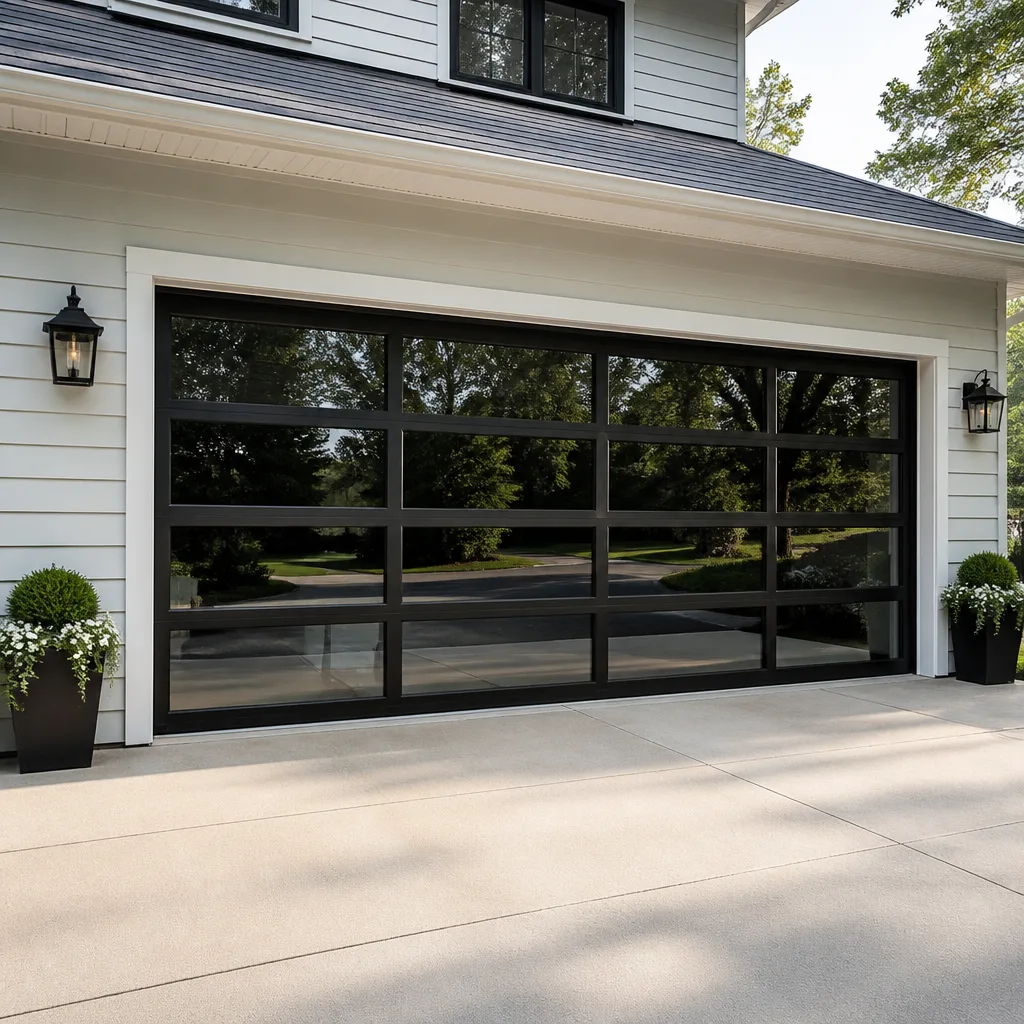 Full-view glass
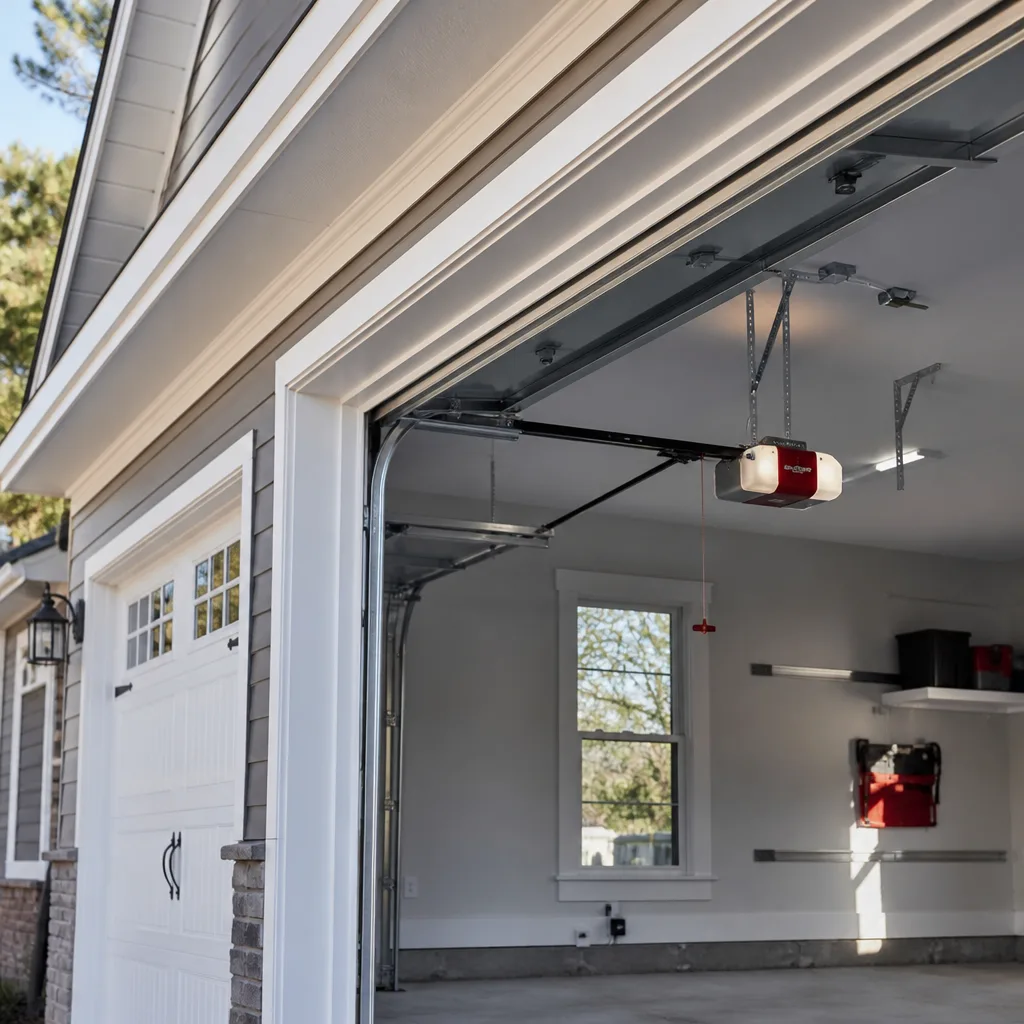 LiftMaster openers
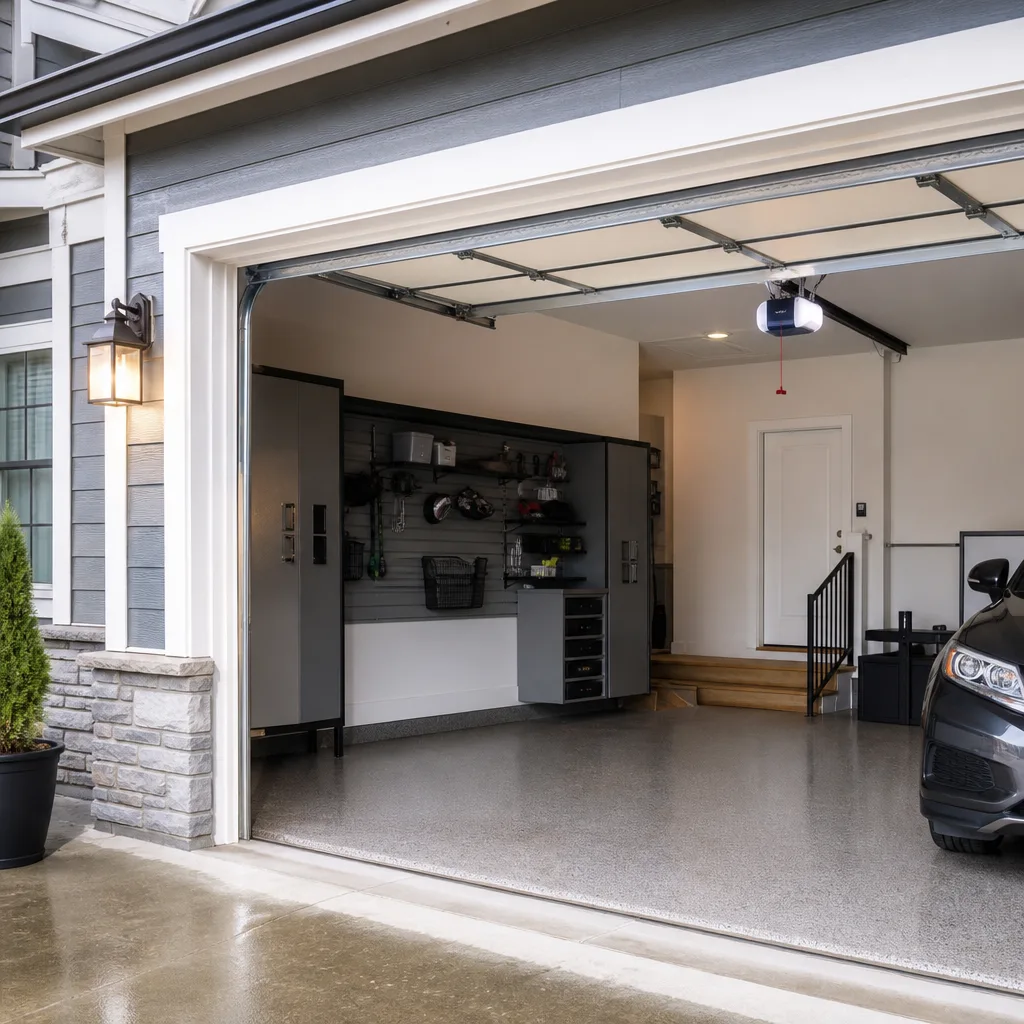 Chamberlain openers
Full 25-point door and opener safety check with every visit - springs, cables, rollers, tracks, and your LiftMaster or Chamberlain opener included
You get a price before we start. It does not change when the truck arrives.
Get your free estimateGarage Door Repair Maintenance Checklist for San Clemente Homeowners
Most maintenance advice you’ll find online reads like it was written for a house in Ohio. San Clemente is not Ohio. Our mild winters mean you’ll never deal with freeze-thaw cycles warping your tracks, but the persistent marine layer brings its own quiet problems: moisture that lingers, UV exposure that bakes rubber into brittle chips, and fine grit that works its way into rollers and hinges. This guide walks through what actually wears out on garage doors in our specific climate, what to check each month, and which tasks genuinely prevent a repair versus which ones just make you feel productive. We’ve built this checklist around the way garage doors actually age in San Clemente, so you can catch small problems before they become a Saturday morning of standing in the driveway wondering if the door will open.
Quick Answer
The most important maintenance tasks for a garage door in San Clemente are: inspecting and cleaning the tracks monthly, lubricating hinges and rollers every three months with a dry lubricant, checking weatherstripping for UV cracking every spring, and testing the auto-reverse safety feature once a month. Spring tension should be visually inspected but never adjusted by a homeowner. A consistent monthly routine takes about fifteen minutes and prevents most common repair calls we see in this area.
Styles & brands we work with
- Raised-panel steel
- Carriage house
- Modern flush
- Full-view glass
- LiftMaster openers
- Chamberlain openers
Table of Contents
- The Monthly Maintenance Routine for San Clemente
- Lubrication: Why Coastal Conditions Change What You Use
- Weatherstripping: The Dual Threat of UV and Marine Moisture
- Spring Tension: What to Observe Without Touching
- A Season-by-Season Schedule Built for San Clemente
- Tracking Cycle Counts and Hardware Age
- Safety Features: The Monthly Two-Minute Check
- Opener Maintenance Beyond the Door Itself
The Monthly Maintenance Routine for San Clemente
Here’s a fifteen-minute routine you can do on the first weekend of each month. It catches the issues our dry, sunny climate accelerates and the ones that sneak up when fog settles in overnight.
- Check the balance. Pull the red emergency release handle while the door is closed. Lift the door by hand to waist height. It should stay put without effort. If it drops or shoots up, the springs need professional adjustment. Re-engage the opener afterward.
- Listen to the door. Run a full open-close cycle while standing in the driveway, not inside the garage. A grinding noise usually means rollers. A squeal points to hinges. A rhythmic thumping often means a roller has flat-spotted. Any of these is a ten-minute fix now, or a bigger garage door repair later.
- Inspect the tracks with a flashlight. San Clemente’s dry air means less rust than coastal towns to the north, but fine dust still settles in the track channels. Wipe the interior of both vertical tracks with a dry cloth. Do not use grease or spray lubricant on tracks; it collects grit and turns into grinding paste.
- Tighten visible bolts. Garage doors vibrate hundreds of times a month. Bolts on hinges and track brackets work loose. A socket wrench set and five minutes catches small looseness before it causes misalignment.
- Test the safety reverse. Place a roll of paper towels under the door and close it. The door should reverse within two seconds of touching it. If it doesn’t, stop using the opener and call a professional.
This routine works because it matches how doors actually fail in our area. Our technicians see the same handful of issues over and over in San Clemente: dry rollers, loosened track bolts, and weatherstripping that cracked in the sun. The monthly check keeps you ahead of all three.
Lubrication: Why Coastal Conditions Change What You Use
The single most common mistake we see is homeowners using the wrong lubricant. Standard WD-40 or any wet silicone spray displaces moisture, which sounds good, but it leaves a thin residue that fine dust sticks to. In San Clemente’s dry inland canyon air, that dust is everywhere. Within weeks you’ve created a gritty paste that accelerates roller wear. The right product for our climate is a dry lithium or PTFE-based garage door lubricant. It bonds to metal and dries without attracting grit.
What to lubricate every three months:
- Hinges: One drop at each pivot point, no more. Excess lubricant drips onto the door face and attracts dirt.
- Rollers: Only if you have steel rollers with unsealed bearings. Nylon rollers with sealed bearings need no lubrication. If you’re not sure which you have, leave them alone and ask during your next service visit.
- The spring: A light spray along the coil, both while open and closed. This slows corrosion and reduces friction between coils.
- Bearing plates: The round plates where the spring shaft meets the mounting bracket. Two drops each.
Never lubricate the tracks. Never lubricate the belt on a belt-drive opener. And if you have a Chamberlain or LiftMaster opener, know that their belts are fiberglass-reinforced and designed to run dry; adding any lubricant shortens their life.
Weatherstripping: The Dual Threat of UV and Marine Moisture
Your garage door’s weatherstripping takes abuse from two directions in San Clemente. Daytime sun beats down on rubber seals and bakes the plasticizers out of them. Evening marine layer rolls in and the moisture gets wicked into any micro-cracks the UV created. The result: weatherstripping that looks fine from ten feet away but crumbles when you touch it.
Check the bottom seal and the perimeter seals twice a year, in March and September. Run your finger along the bottom seal with the door closed. It should feel pliable, not cracked or hard. Look at the J-channel where the seal slides into the bottom of the door. Daylight visible under the door means the seal has compressed or warped.
Replacement is straightforward: the old seal slides out of the channel, and a new one slides in. Most bottom seals are universal and cost well under fifty dollars. But measure the width of the channel before you buy; the two common sizes are 3/8 inch and 1/4 inch, and buying the wrong one is the most common frustration we hear about.
One San Clemente-specific note: if your garage faces west or southwest, your weatherstripping will degrade roughly twice as fast as a north-facing door. Factor that into your inspection schedule. A west-facing door that still looks good after two years is the exception, not the rule.
Spring Tension: What to Observe Without Touching
Garage door springs are under extreme tension. A torsion spring mounted above the closed door can hold a thousand pounds of torque. When one breaks, the sound is often described as a gunshot inside the garage. No maintenance guide should ever instruct a homeowner to adjust, replace, or even loosen a spring. The role of a maintenance checklist is observation only.
Here’s what a homeowner can safely check:
- Look for a gap in the coil. When a torsion spring breaks, it separates into two sections with an obvious gap. If you see this, the door will not open properly even with an opener, because the opener motor is now trying to lift the full unbalanced weight of the door.
- Check for rust streaks. Light surface rust on a spring is cosmetic. Rust that appears to be eating into the metal, especially at the coil ends, weakens the spring and signals it’s nearing end of life.
- Observe the door during operation. If one side of the door rises slightly slower than the other, one spring may be losing tension before the other. This is often visible as a slight diagonal gap under the closed door.
- Count the years. Most springs are rated for roughly ten thousand cycles. For a two-car household that opens the garage door four to six times a day, that’s about five to seven years of service. If your springs are older than that and you’re in San Clemente, schedule a professional inspection.
When springs fail, the door often comes down hard, which can damage the opener, the panels, or anything in the door’s path. Springs should always be replaced in matched pairs. If one has snapped, the other has cycled the same number of times and is not far behind. At Aspen Garage Door Service, we replace springs as a pair, quote the price before any work begins, and carry the common sizes for Craftsman, Raynor, and other major door brands on the truck.
A Season-by-Season Schedule Built for San Clemente
Most maintenance guides organize tasks by spring, summer, fall, and winter. That’s not how our climate works. San Clemente’s real seasons are marine layer season, Santa Ana season, and the long warm stretch between them. Here’s the calendar that actually applies here.
May through July (marine layer months): Fog sits over the coast overnight and burns off by mid-morning. Humidity levels fluctuate daily. This is when you’ll notice any exposed metal starting to develop light surface rust. It’s also when wooden garage door frames swell slightly, which can make doors stick. Focus on checking for rust on hinges and tracks, and listen for any new scraping sound from frame contact.
August through November (Santa Ana months): Hot, dry winds blow in from the desert. Dust gets everywhere, including the inside of your track channels and the gap between the door and the frame. This is the time to wipe down tracks more often and check that weatherstripping hasn’t dried out. It’s also the season when static electricity builds up, which can occasionally interfere with older opener remotes.
December through April (the long warm stretch): Daytime temperatures are mild and rain is occasional. This is the best window for bigger maintenance tasks: full hardware inspection, balance check, and any planned replacement of rollers, seals, or hinges. If you’ve been putting off a professional tune-up, this is the time.
Tracking Cycle Counts and Hardware Age
The garage door is the largest moving part in your home. It cycles twice every time you leave the house and return. Tracking how many cycles your door has completed sounds excessive, but it’s the single best predictor of spring failure and roller wear. A simple note on the inside of the garage door jamb, updated once a month, does the job.
Here’s the format that works:
- Install date or approximate door age: If you don’t know when the door was installed, the opener unit itself often has a date sticker.
- Estimated daily cycles: Count how many times the door opens and closes on a normal day. Two cars departing and returning is four cycles. Add a school drop-off or an afternoon errand and you’re at six.
- Spring replacement date: When springs are replaced, write the date on the torsion tube with a paint pen. That starts the ten-thousand-cycle clock fresh.
- Roller and hinge replacement date: Same idea. Rollers typically last three to five years with regular lubrication. Hinges last longer but should be inspected whenever the door is serviced.
This log takes less than a minute a month and it tells you with certainty when to schedule preventive replacement before a spring snaps. Waiting until a spring breaks is not a money-saver. A broken spring means the door is stuck shut, and you’re now paying for an emergency call in addition to the same replacement work you would have needed anyway.
Safety Features: The Monthly Two-Minute Check
Every garage door opener manufactured in the last three decades includes an auto-reverse mechanism regulated by federal law. It works by sending a beam of infrared light across the door opening, about six inches off the ground. If anything blocks that beam while the door is closing, the door stops and reverses. A second reversal mechanism detects resistance when the door physically contacts an object.
Test the safety reverse once a month. It takes two minutes:
- Place a solid object in the center of the door’s path. A two-by-four, a roll of paper towels, or a full cardboard box all work.
- Close the door using the wall button, not the remote.
- Watch the door. It should reverse within two seconds of contact and return to the open position.
- If the door closes fully onto the object and does not reverse, stop using the opener immediately and call a professional.
Also locate the photo eye sensors on either side of the door track near the floor. In San Clemente, these sensors get dusty during Santa Ana season. Wipe each lens with a dry cloth once a month. Misaligned or blocked sensors are the most common cause of a door that refuses to close with the remote, and it’s usually a thirty-second fix.
For opener issues that are not a simple sensor wipe, dedicated garage door opener repair is often the better call than replacing the whole unit. We work on LiftMaster, Chamberlain, Genie, and other major brands, and we’ll tell you honestly if a repair is not worth the cost.
Opener Maintenance Beyond the Door Itself
The opener is a separate machine bolted to your ceiling, and it has its own maintenance needs. Most homeowners forget it entirely until it stops working.
What to do proactively:
- Listen for changes. A smooth chain-drive opener should produce an even whir. A rattling or uneven sound often means the chain or belt has stretched and needs tension adjustment. Leaving it loose wears the sprocket, which is a more expensive fix.
- Watch the door during operation. If it jerks or shudders, the opener is fighting the door. That could be a balance problem, a track problem, or a failing opener gear. Diagnosing it early prevents damage to both the door and the opener.
- Check the mounting brackets. The opener hangs from steel straps above the door. Over years of vibration, the bolts can loosen. If the opener visibly shifts when starting or stopping, tighten the mounts.
- Replace remote batteries before they die. Weak batteries cause intermittent signal problems that can mimic a failing logic board. Swap batteries in both remotes and the keypad once a year, whether they need it or not.
If your opener is more than fifteen years old and you’re noticing multiple small problems at once, you may be approaching the point where replacement is the smarter financial decision. Modern openers from Chamberlain and LiftMaster include battery backup and smartphone control, which matter more in San Clemente than you might expect: power flickers during Santa Ana wind events are not uncommon, and a battery backup keeps the garage door functional when the grid blinks.
Common Mistakes to Avoid
- Using the wrong lubricant. Wet sprays like WD-40 attract dust and create a grinding paste on your rollers and hinges. In San Clemente’s dry air, that paste hardens quickly. Use a dry lithium or PTFE-based garage door lubricant only.
- Lubricating the tracks. Tracks are designed to run dry. Grease, oil, or spray lubricant in the track channel collects grit and causes the rollers to bind. Wipe tracks clean and leave them dry.
- Ignoring a squeaky spring. A spring that squeaks during operation is asking for lubrication. Skipping this simple step accelerates coil wear and shortens the spring’s life. Springs are the most expensive single wear item on a door.
- Painting over rusted hardware. If you notice rust on hinges or brackets, painting over it without treating the rust first just hides the problem. Use a rust converter or wire brush first, then paint. Better yet, replace severely rusted hardware.
- Adjusting spring tension yourself. This is the one task that can cause serious injury or death when done wrong. Springs are under enough tension to amputate fingers or launch a winding bar. No maintenance guide should recommend DIY spring work, and this one does not.
- Skipping the monthly balance test. An unbalanced door strains the opener motor on every cycle. Over months, that strain shortens the opener’s life. A door that was balanced last spring may not be balanced now. Check it monthly.
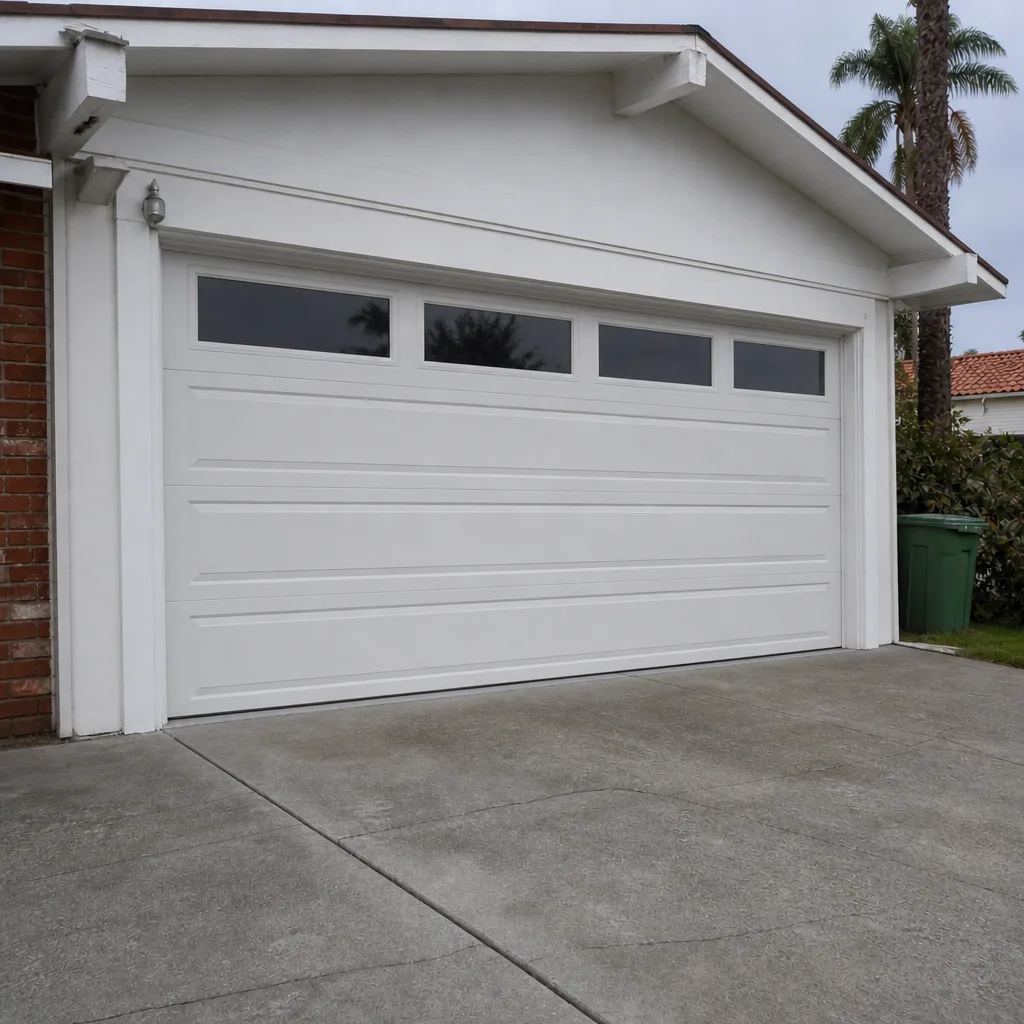
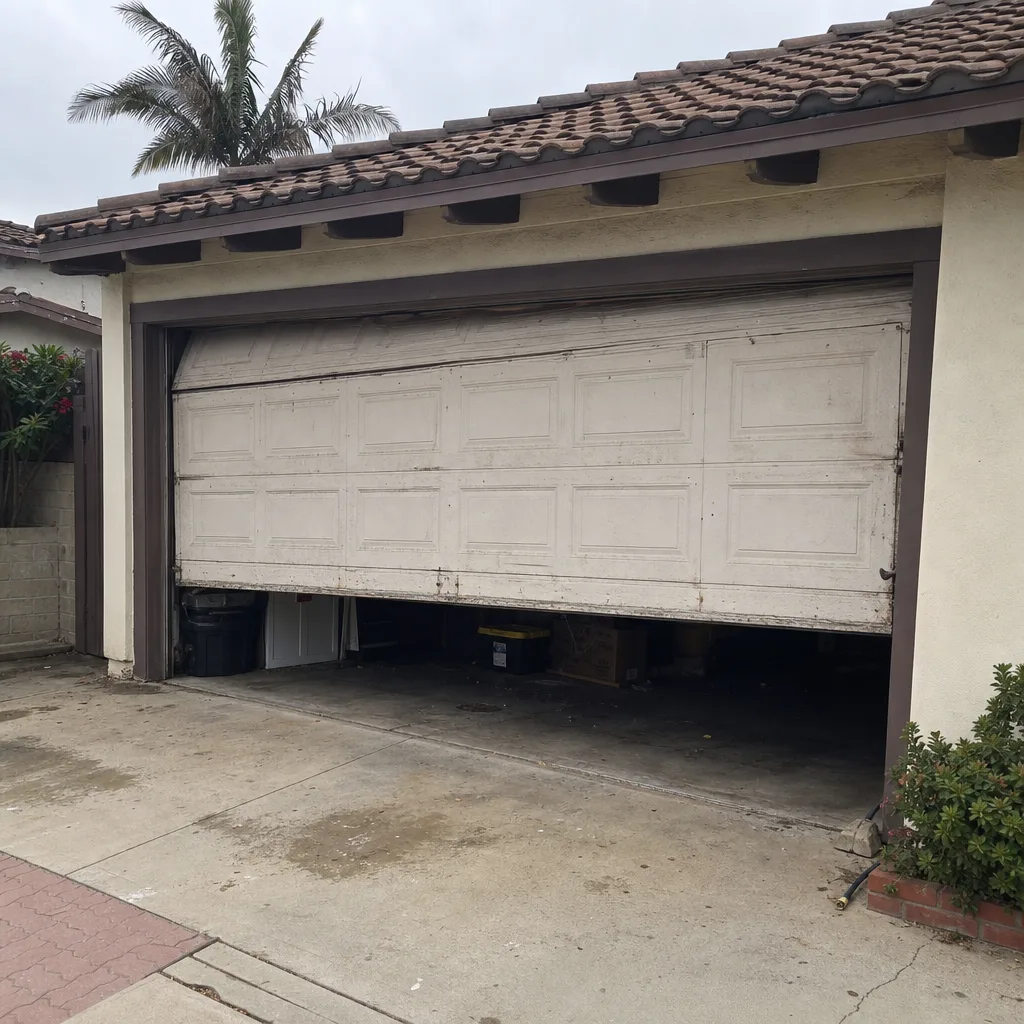
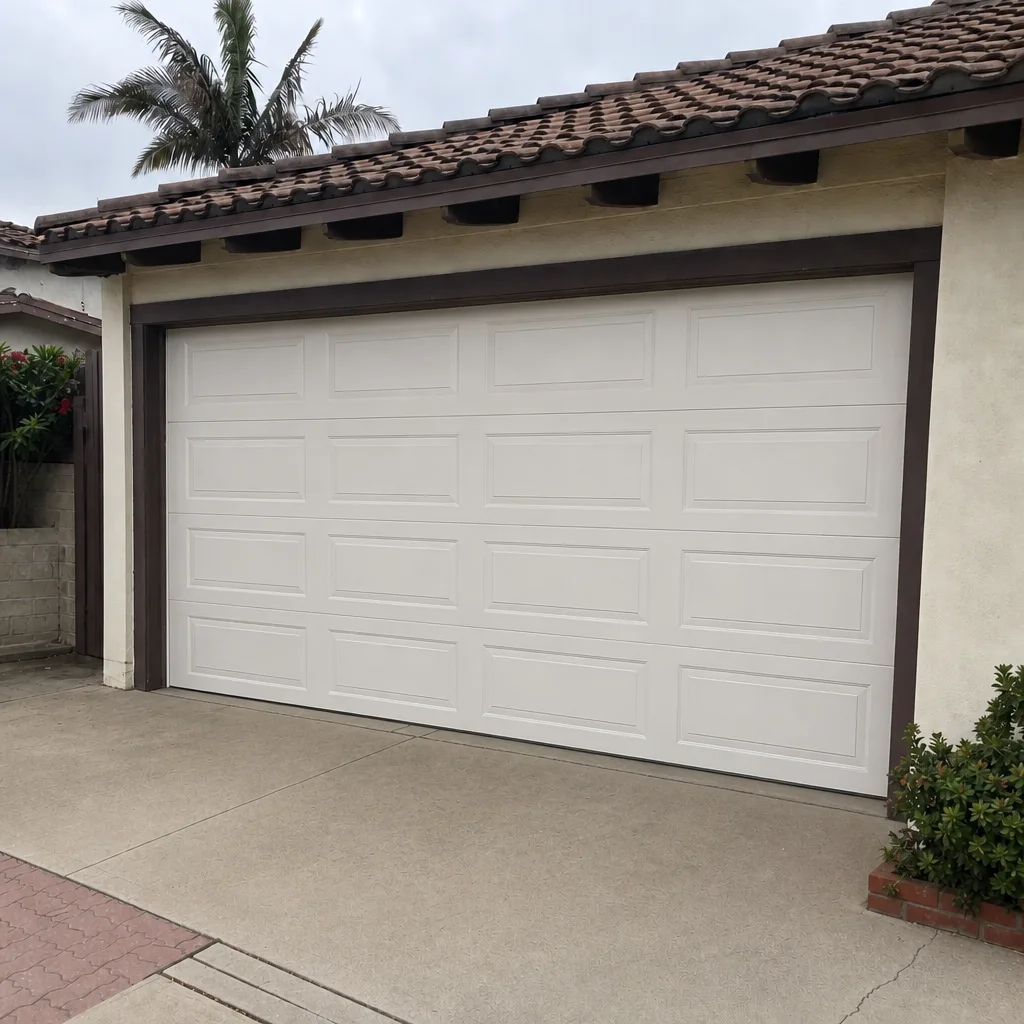
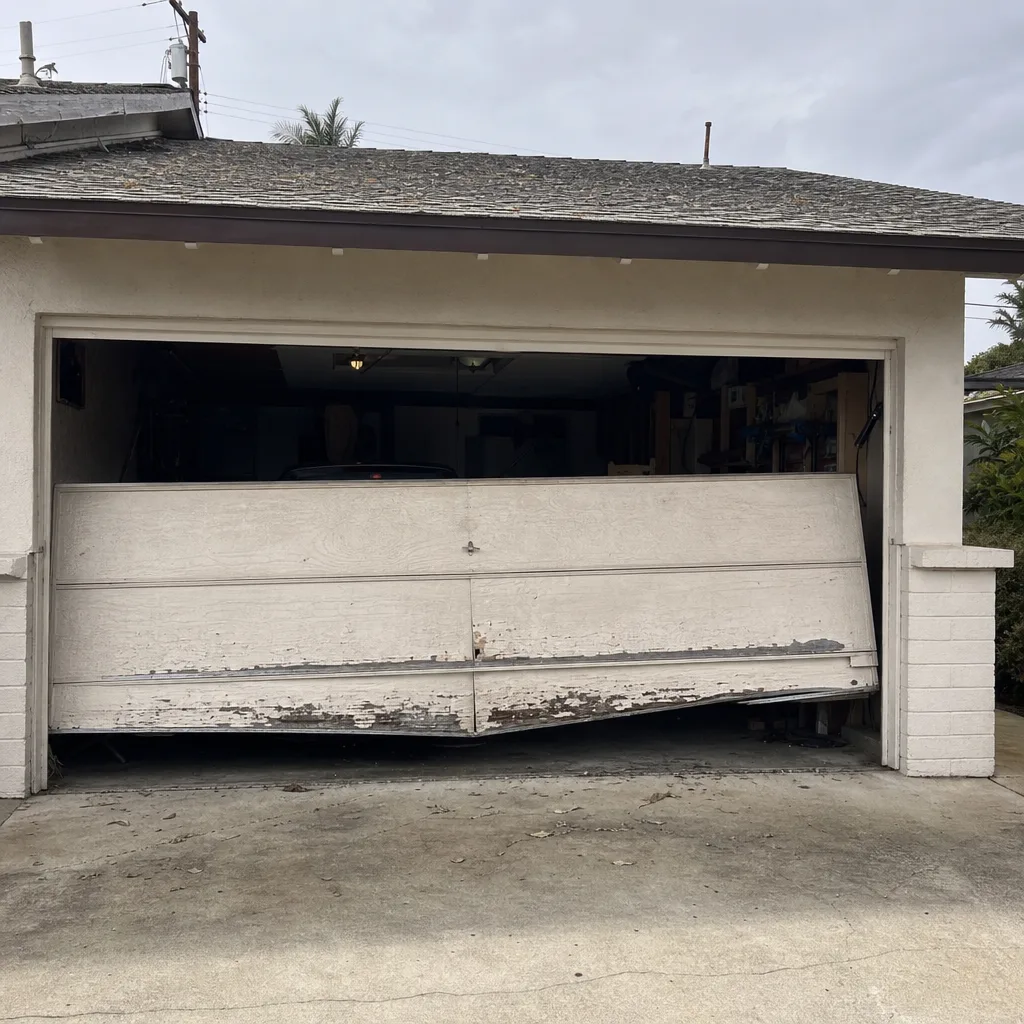
See the difference
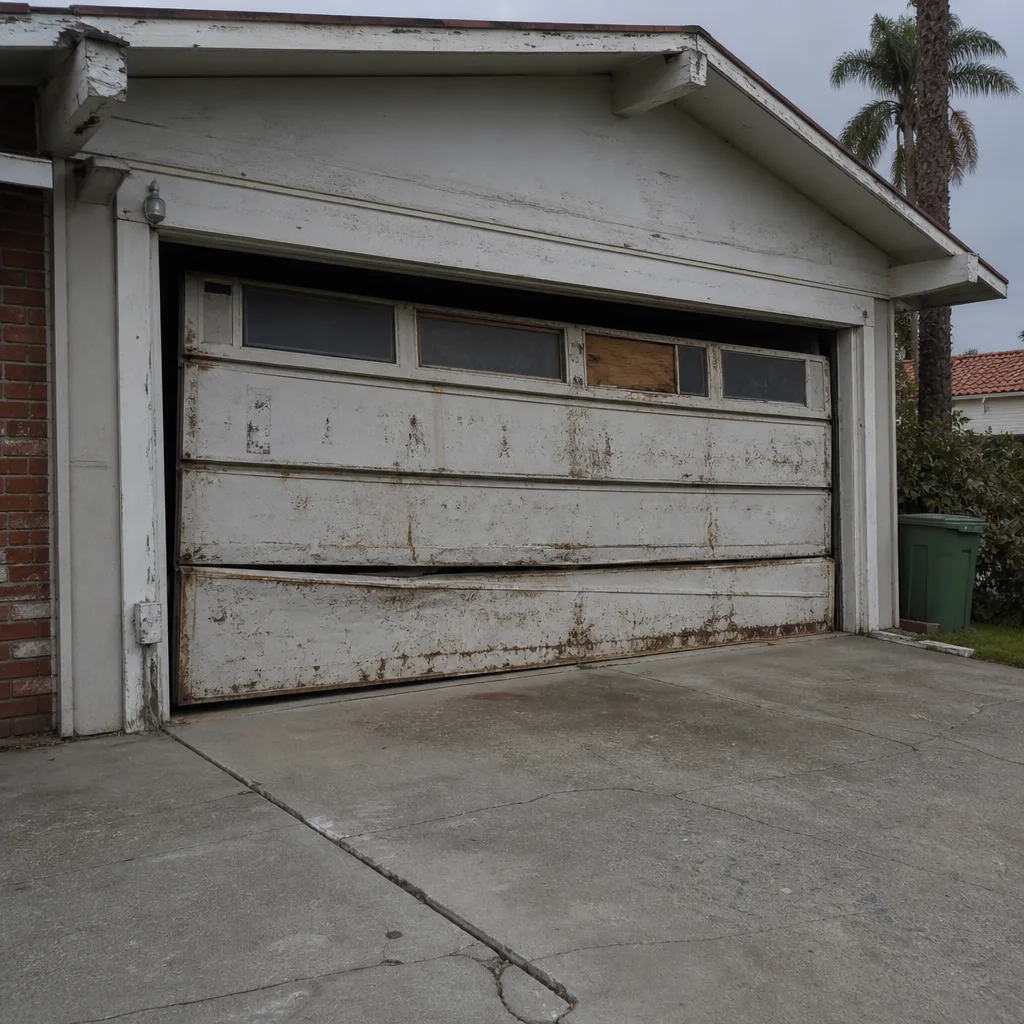 Before
 After
 Before
 After
 Before
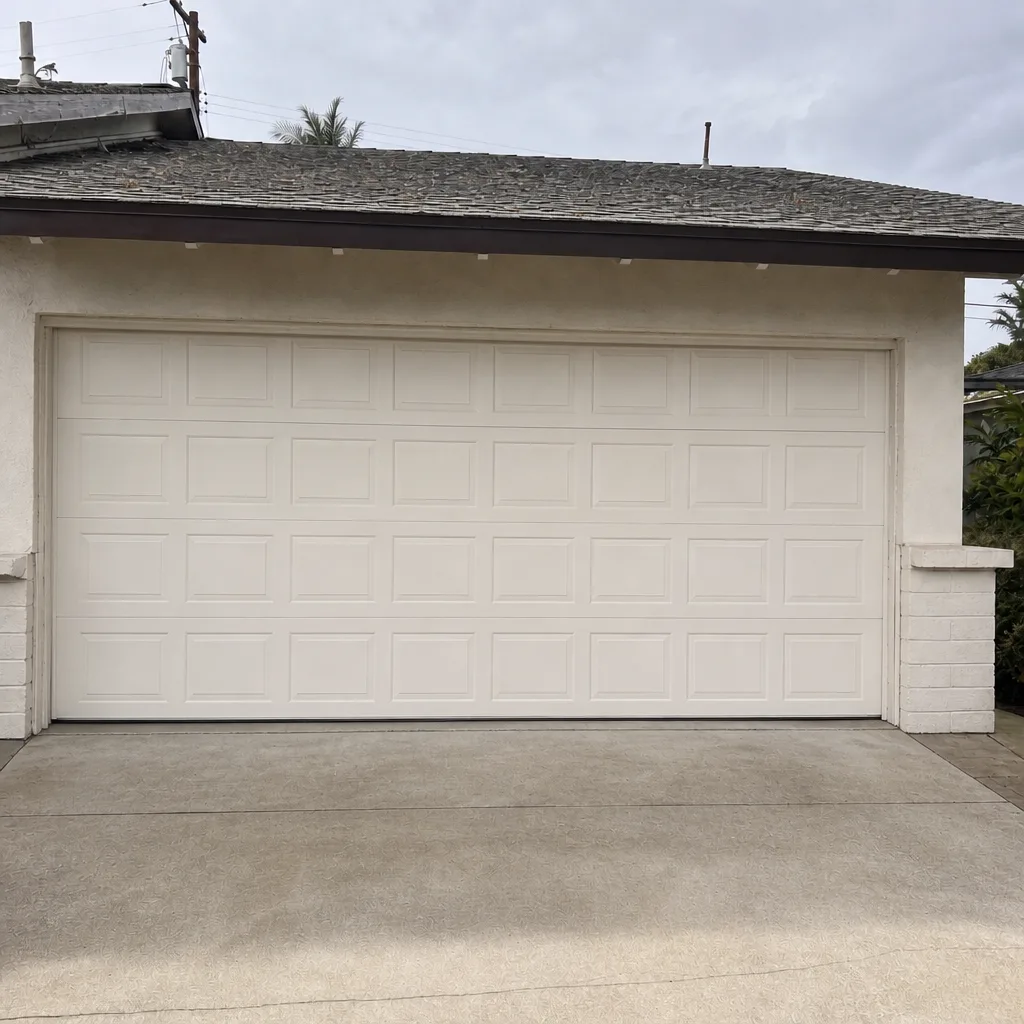 After
When to Call a Professional
Some maintenance tasks are checking and cleaning. Others are warnings that something is about to fail. Call a professional when you see a visible gap in a torsion spring, when the door falls faster than it should when closing, when the balance test fails even after minor hardware adjustments, or when the opener reverses for no reason. Also call if the door has come off its tracks, if a roller has snapped off its stem, or if a cable has frayed. These are not tune-up items. They are safety issues. Aspen Garage Door Service offers free estimates in San Clemente and works on the brand you already have, whether that’s a Craftsman door from the early 2000s or a newer Raynor. Call (866) 321-6293 and we’ll tell you straight whether it’s a repair, a replacement, or something you can handle yourself.
Frequently Asked Questions
Lubricate hinges, springs, and bearing plates every three months using a dry lithium or PTFE-based lubricant. Our dry climate and Santa Ana dust mean standard wet sprays attract grit that accelerates wear, so the product choice matters as much as the schedule.
The most common problem we see is worn or broken springs. Most household doors carry springs rated for around ten thousand cycles, which translates to about five to seven years of normal use. After that, failure is not a question of if but when.
No. Torsion springs are under extreme tension and can cause serious injury or death when mishandled. This is the one garage door task that should always be done by a trained professional with the right tools. Visual inspection is safe; adjustment and replacement are not.
A persistent squeak after lubrication usually points to worn rollers, a dry spring bearing plate, or a hinge that is binding. If lubrication does not quiet it within a day or two, the part may need replacement. Squeaks that continue are a sign the wear is past the point of lubrication helping.
Most routine checks and lubrication can be done by a homeowner for under thirty dollars in supplies. Professional tune-ups vary by provider and scope, but a written estimate should always be provided before work begins. For an exact quote, call (866) 321-6293. We answer 24/7; fast dispatch runs from 7am to 7pm, Sunday through Friday.
Yes. Our technicians work across the major door and opener brands, including LiftMaster, Chamberlain, Genie, Clopay, Amarr, Wayne Dalton, Craftsman, and Raynor. We service the brand already installed in your garage, whatever it is. You can find more local details on our San Clemente page.
The Bottom Line
San Clemente’s climate is kind to garage doors in ways that snow country is not, but it has its own pattern of wear: UV-baked weatherstripping, dry dusty tracks, and springs that quietly reach the end of their cycle count. A consistent monthly routine of balance checking, track cleaning, and safety testing catches most problems early. Lubricate with the right product, observe spring condition without touching, and keep a written log of part replacements. When something goes beyond checking and cleaning, call a professional who knows the difference between a tune-up and a safety hazard. The goal is not to avoid every repair forever; it’s to make sure the repair you eventually need is small, planned, and paid for at a price you agreed to in writing before work began.
Written by the team at Aspen Garage Door Service, serving San Clemente since 2012.